
Vandaag of morgen in huis

Kwaliteit gegarandeerd

Welkomstaanbiedingen ontgrendelen: GRATIS bezorging | Tot 80% korting | Gratis 30 dagen JoyPlus-proefperiode
Download de app
Daily UV protection for your face does not have to be complicated. Yet many people buy a face sunscreen that feels too greasy, pills under makeup or ends up unused in the cabinet after a few weeks. The right choice depends on more than the number on the packaging. UVA protection, texture, skin type, application amount and reapplication all determine whether a facial sunscreen works comfortably in your routine.
This guide helps you compare SPF 50 face sunscreens based on verifiable product information. You will also find popular options for dry, sensitive, oily or pigmentation-prone skin.
SPF primarily indicates protection against UVB radiation. Also check whether the packaging mentions UVA protection, for example through the UVA symbol in a circle or a PA rating. No sunscreen blocks all radiation. Avoid prolonged direct sun exposure and use a hat, sunglasses and covering clothing where appropriate.
A large bottle of body sunscreen may seem cost-effective, but facial skin often has different needs. A heavy or shiny formula can feel uncomfortable, particularly on oily skin or under foundation. For daily facial sunscreen, look for terms such as lightweight texture, invisible finish, dry touch or non-comedogenic. These describe product characteristics, not a guarantee that every skin type will react in the same way.
Brands may highlight the benefits of their formulas, but these claims should not automatically be regarded as established results. According to NIVEA’s own research, Luminous630 may help prevent and reduce the appearance of pigmentation. According to Eucerin’s product description, Thiamidol has been added to target age spots. Treat this as manufacturer information and focus primarily on the SPF, UVA indication, ingredients and directions for use.
If a skin reaction persists, pigmentation changes significantly or you are unsure about an ingredient, consulting a GP or dermatologist is wiser than continuing to switch products.
For daily use in the Netherlands, many consumers choose SPF 50 or SPF 50+, particularly if they have pigmentation-prone or fair skin that reddens easily, or spend a lot of time outdoors. Also check for UVA protection. Apply generously to the face, ears and neck. Applying too thin a layer reduces the level of protection stated on the packaging.
Apply sunscreen 15 to 30 minutes before exposure unless the packaging provides different instructions. Reapply after swimming, sweating and towel-drying. During prolonged exposure, regular reapplication matters more than a product with a long list of additional claims.
A sunscreen for sensitive skin is not automatically fragrance-free. Check the ingredients list for fragrance compounds such as parfum, linalool, limonene or benzyl alcohol. Alcohol denat. may also feel less comfortable for some users, particularly around the eyes or when the skin barrier is compromised. Test a new product on a small area of skin first and always follow the warnings on the packaging.
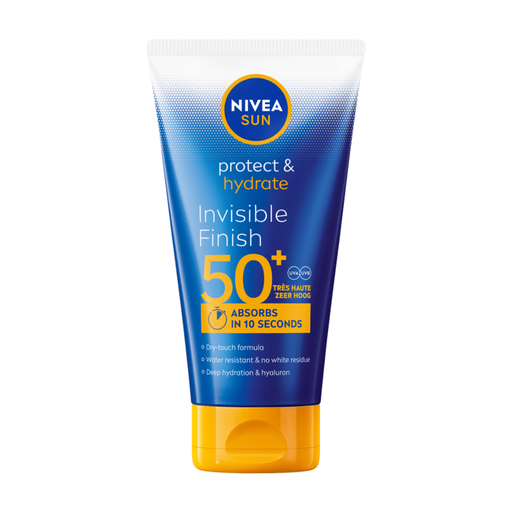
Why This Fits Their Persona: A practical choice for anyone looking for one generously sized 150 ml bottle for daily use on the face and other exposed areas.
The description mentions SPF50+, a water-resistant formula and a finish without a white cast. Still, check whether the texture suits your face.
150 ml capacity; glycerin and sodium hyaluronate appear in the ingredients list; according to the product information, the dry-touch formula absorbs quickly.

Why This Fits Their Persona: The compact 12 ml milk formula suits users looking for a lightweight texture and a small format for on the go.
The product information specifies SPF50+ and water resistance. Because of its small format, it is particularly important to apply enough product.
SPF50+; milk texture; water-resistant according to the product description; convenient travel size.
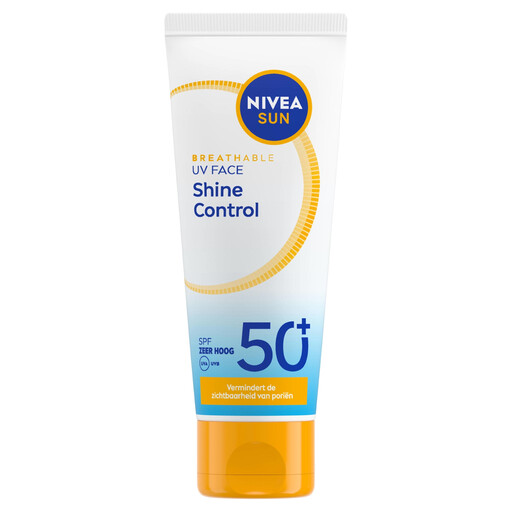
Why This Fits Their Persona: This facial sunscreen is designed to leave a lightweight, mattifying finish and may work well under makeup.
The product description mentions a non-greasy, non-comedogenic formula and an invisible finish. Fragrance and alcohol denat. may feel less comfortable for some sensitive skin types.
SPF50; mattifying ingredients such as tapioca starch and silica; 40 ml format.
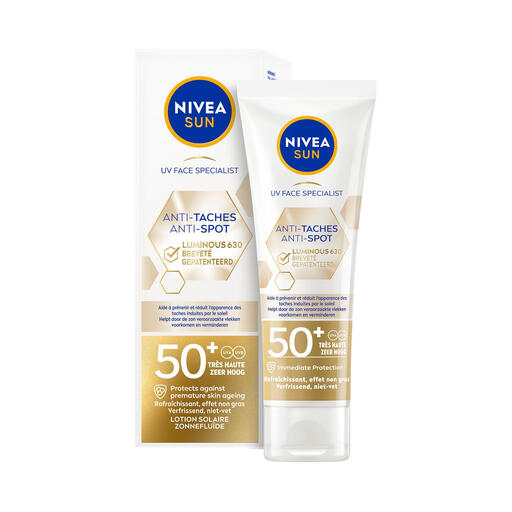
Why This Fits Their Persona: Designed for those who want to combine high protection with a more even-looking complexion and daily hydration.
The product description clearly states SPF50+ and UVA/UVB protection. The Luminous630 claim remains a brand claim; daily, generous application is still essential.
SPF50+; sodium hyaluronate in the ingredients list; compact 40 ml packaging.
Apply your face sunscreen as the final step in your skincare routine, before makeup. Do not use just a tiny dot: spread a sufficient amount over your face, ears and neck. Ideally, wait a moment before applying foundation so the formula has time to set.
A product that feels comfortable is generally easier to use every day. If you have sensitive skin, avoid contact with the eyes and stop using the product if redness, itching or swelling occurs. A Korean sunscreen may offer a lightweight, caring texture, but always check the SPF, UVA information, ingredients and European labelling rather than relying solely on the country of origin.
Browse a current selection of day creams with SPF and compare size, protection factor, texture and skincare benefits based on the available product information.
Yes. SPF 50 is intended for users who want a high level of daily UV protection for the face. Choose a formula suited to your skin type and apply enough product. SPF 50 does not mean you can stay in the sun indefinitely.
Reapply after swimming, sweating or towel-drying. During prolonged sun exposure, regular reapplication is advisable, even when a product is described as water-resistant. Check the specific instructions on the packaging.
An SPF 15 day cream, such as some moisturising day creams in the range, provides a lower level of protection than SPF 50 sunscreen. For more intense exposure or when you are specifically looking for protection against pigmentation, SPF 50 is the more appropriate choice. Also consider UVA protection and the amount applied.
