
Vandaag of morgen in huis

Kwaliteit gegarandeerd

Welkomstaanbiedingen ontgrendelen: GRATIS bezorging | Tot 80% korting | Gratis 30 dagen JoyPlus-proefperiode
Download de app
The sunscreen aisle can be overwhelming. Dozens of tubes promise perfect protection, but what do those claims really mean? A high SPF is a good start, but it's easy to waste money on a product that doesn't suit your skin or, worse, fails to deliver the protection you expect. Before choosing an SPF 50 sunscreen, it's helpful to understand a few common pitfalls.
A common claim is "water-resistant." However, this doesn't mean the cream stays perfectly in place after a swim. According to EU guidelines, water-resistant sunscreen means the SPF value remains at least 50% effective after two 20-minute periods in the water. For "very water-resistant," this extends to four 20-minute periods. This isn't a free pass to skip reapplication.
Another misconception is that a high SPF offers all-day protection. SPF 50 blocks approximately 98% of UVB rays, while SPF 30 blocks about 97%. The difference seems small, but effectiveness diminishes throughout the day due to sweat, friction, and the degradation of filters by sun exposure. Regular and generous application remains the golden rule, regardless of the SPF number.
To make an informed choice, focus on objective specifications rather than marketing slogans. These are the two most important things to check before you buy a sunscreen.
The SPF value on the packaging only indicates the level of protection against UVB radiation, the rays that cause sunburn. Protection against UVA radiation is just as crucial. UVA rays penetrate deeper into the skin and are the primary cause of premature skin ageing, wrinkles, and pigmentation spots.
A good SPF 50 sun protector therefore offers "broad-spectrum" protection. Look for the UVA logo on the packaging: a circle containing the letters 'UVA'. This guarantees that the UVA protection is at least one-third of the stated SPF value. Products from Asia, such as Korean sunscreens, often use the PA rating system (from PA+ to PA++++). PA++++ signifies the highest possible UVA protection.
The texture of a sunscreen is not an afterthought; it determines whether you'll enjoy using the product and actually apply it every day.
Based on these objective criteria, we have selected a number of products that suit different needs and skin types.
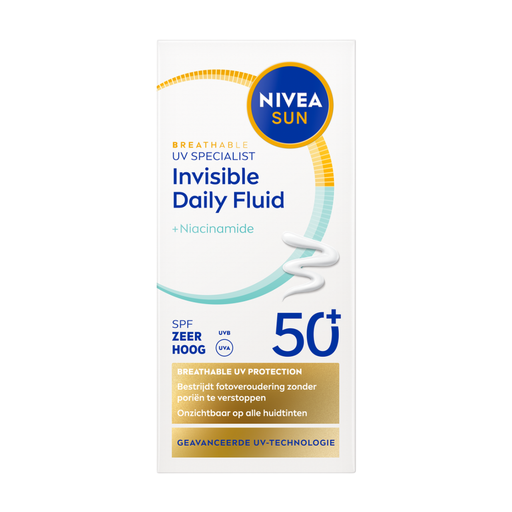
Why This Fits Their Persona: Ideal for those who want to wear sun protection daily, even under makeup. The ultra-light texture is designed to absorb quickly without leaving a sticky or greasy residue, making it perfect for the morning routine.
This fluid is so lightweight that you'll gladly reapply it, helping to avoid the 'one-and-done' application pitfall. The formula is invisible on the skin and leaves no white cast.
The formula is non-comedogenic and, according to the manufacturer, provides an 8-hour mattifying effect, making it a great choice for normal to oily skin.
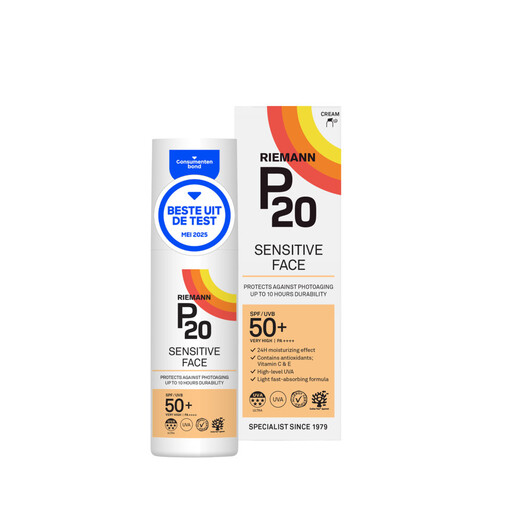
Why This Fits Their Persona: Specifically developed for sensitive facial skin. The formula is focused on minimising irritation while providing high, reliable protection against UVA and UVB radiation.
This product focuses on the essentials: high, broad-spectrum protection without unnecessary additives that can irritate sensitive skin. It avoids the pitfall of exaggerated marketing claims about 'natural' ingredients.
The formula is water-resistant and contains no perfume. The manufacturer claims long-lasting protection but still advises regular reapplication for optimal safety.
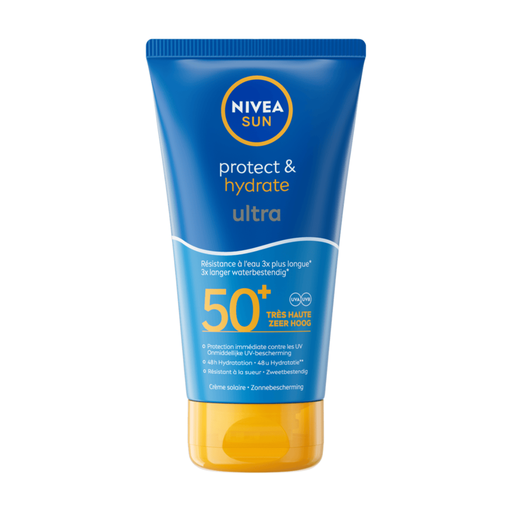
Why This Fits Their Persona: Designed for those who sweat or swim a lot. This cream is intended to adhere better to the skin during intense outdoor activities, from a day at the beach to a bike ride.
This product directly addresses the 'water-resistant' pitfall. According to Nivea, the formula is 3x more water-resistant compared to a classic water-resistant product, which sets a clearer expectation. Nevertheless, the advice to reapply regularly still stands.
The formula is sweat-resistant and provides immediate UVA/UVB protection. Additionally, the manufacturer claims the cream keeps the skin hydrated for up to 48 hours.
We have compiled a complete, up-to-date list of products that meet these strict selection criteria and comply with EU regulations.
A common mistake is applying too little, which means you don't achieve the stated SPF. A good rule of thumb for the face and neck is the 'two-finger rule': apply a line of sunscreen to your index and middle fingers. This amount is generally sufficient for adequate protection. For your body, you need about a full shot glass (30 ml).
SPF 50 offers slightly higher protection against UVB rays than SPF 30 (98% vs. 97%). This may seem like a small difference, but that extra percentage can provide an important safety margin, especially for people with fair or sensitive skin, or if your application isn't always perfect. For daily use, SPF 30 may suffice, but for a day at the beach, on holiday, or if you burn easily, SPF 50 sunscreen is a wise choice.
It is not recommended. The packaging displays a symbol of an open jar with a number inside (e.g., '12M'). This is the 'Period After Opening' (PAO) and indicates how many months the product remains effective after being opened. After this period, the efficacy of the UV filters can decrease significantly, meaning you no longer get the protection stated on the bottle. For reliable protection, it's best to buy a new bottle each season.
