
Vandaag of morgen in huis

Kwaliteit gegarandeerd

Welkomstaanbiedingen ontgrendelen: GRATIS bezorging | Tot 80% korting | Gratis 30 dagen JoyPlus-proefperiode
Download de app
SPF 50 sun cream is a sensible choice for sunny days, holidays and everyday use in the Netherlands. However, a high sun protection factor does not tell you everything about how a product feels to use. For example, a product may feel too greasy on oily skin, sting around the eyes or disappear more quickly than expected after swimming.
As a Joybuy Product Recommendation Officer, I filter product information based on verifiable points. So don't just look at marketing claims. Also check the protection rating, directions for use, skin type, size and water resistance.
SPF 50 or SPF 50+ only provides the stated level of protection when you apply enough product. The product instructions for various products recommend approximately 35 ml per full application for an adult. Applying too little SPF 50+ sun cream significantly reduces the level of protection.
Apply sun cream to all exposed areas: your face, ears, neck, arms, legs and, if applicable, décolletage. This should usually be done 15 to 30 minutes before sun exposure, depending on the instructions on the packaging.
Water-resistant sun cream is designed to stay on the skin more effectively while swimming or sweating. However, protection decreases as a result of swimming, drying yourself with a towel and perspiration. Check whether the product is described as water resistant or very water resistant, and always follow the reapplication advice.
An everyday sun cream, such as some facial fluids, may explicitly be not water resistant. That is not a problem for commuting, but it is a less practical choice for the beach or intensive outdoor sports.
Terms such as hydrating sun cream, anti-ageing sun cream or sun cream for pigmentation describe additional properties. First check whether the product states that it protects against UVA and UVB. SPF mainly relates to UVB, so look for the UVA information, UVA symbol or a PA rating.
Claims about reducing pigmentation, wrinkles or oxidative stress come from the brand's product information. According to NIVEA's own research, some products mention results relating to hydration, shine control or pigmentation, for example. Do not regard these claims as guaranteed results for every user.
SPF 50 and SPF 50+ fall within the high sun protection category. The plus sign in SPF 50+ means that the product exceeds the stated test threshold within the relevant protection category. It is not a reason to use less product or stay in the sun for longer.
Also look for:
For the face, texture and finish are often decisive factors. Dry or sensitive skin may benefit from glycerine, hyaluronic acid, panthenol or other hydrating ingredients in the product formula. On oily skin, a mattifying sun cream containing silica, starch or a dry-touch finish may feel more comfortable.
If you are looking for sun cream without a white cast, it is worth comparing the product description and user experiences. An invisible finish can be useful under make-up, but the final appearance varies according to your skin type and the amount applied.
A 40 to 60 ml tube is practical for facial sun cream and carrying around every day. For your arms, legs and whole body, a 150 to 200 ml bottle is generally more convenient. A smaller size may be appealing when travelling, but it will run out more quickly with regular use.
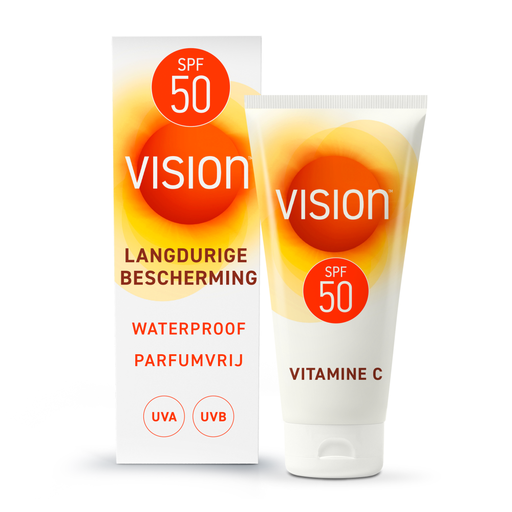
Why it suits this profile: The 180 ml size is suitable for regular use on the body and face, for example during a day outdoors or a family outing.
The product information states that it provides UVA and UVB protection and gives specific instructions on applying generously and reapplying.
180 ml, SPF 50 and a formula containing, among other ingredients, glycerine and vitamin E derivatives according to the ingredients list.

Why it suits this profile: The milk texture and compact size are ideal for users looking for a lightweight facial sun cream to take with them.
The product description explicitly mentions a lightweight texture and water resistance. Check the current packaging for the precise duration of protection after swimming.
SPF 50+, 12 ml, milk variant and, according to the product information, a water-resistant formula.
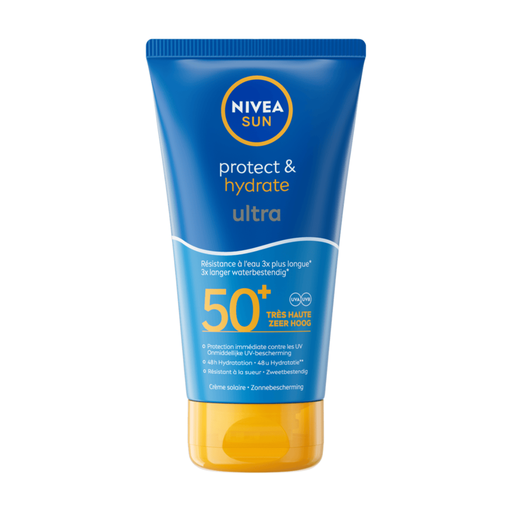
Why it suits this profile: This variant is designed for outdoor situations where sweating, swimming and prolonged exposure play a role.
The product description states “very water resistant” and sweat resistance. Reapplying after drying yourself remains essential.
SPF 50+, 150 ml, water-resistant positioning and a hydrating formula with vitamin E according to the product information.
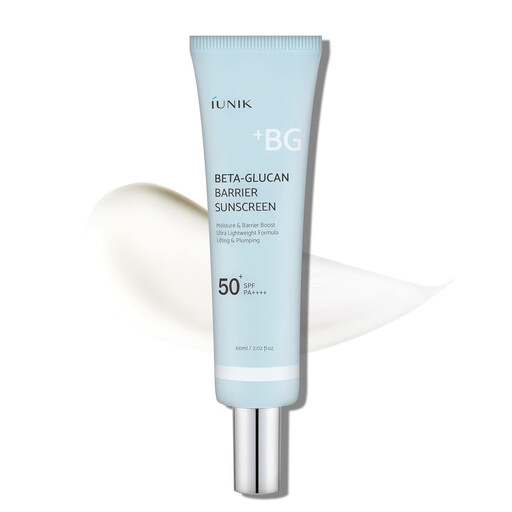
Why it suits this profile: According to its product name, this Korean sun cream is intended for dry, oily and sensitive skin, as well as for use under make-up.
The product listing mentions a mattifying finish and no white cast. If you have sensitive skin, it is sensible to test the product on a small area of skin first.
SPF 50+, PA++++, vegan positioning, lightweight texture and stated UVA and UVB protection.
We have compiled a complete, up-to-date list of products that fully meet these strict selection criteria and the applicable European safety regulations.
If you have sensitive skin, it is sensible to check for fragrance, alcohol or specific filters if you have reacted to them before. Stop using the product if irritation occurs and follow the safety instructions on the label.
Yes, SPF 50 can be suitable for everyday use on your face, neck and other exposed skin. Choose a facial fluid or lightweight cream if you want to wear sun cream under make-up. For prolonged outdoor activities, a larger size for the body and face is more practical.
The expiry information is shown on the packaging. Store sun cream in a cool place away from direct sunlight or high temperatures. A product that smells different, changes texture or has visibly separated is best not used. Also check the period-after-opening symbol if it appears on the packaging.
Facial sun cream is often developed with a lighter texture, a less greasy finish or features such as mattifying properties. Sun cream for the body is usually sold in larger containers and is designed to cover larger areas of skin efficiently. The right choice depends on your skin type, how you intend to use it and your personal preference.
