
Vandaag of morgen in huis

Kwaliteit gegarandeerd

Welkomstaanbiedingen ontgrendelen: GRATIS bezorging | Tot 80% korting | Gratis 30 dagen JoyPlus-proefperiode
Download de app
Buying SPF 50 sun cream may seem straightforward. Yet there are clear differences between a facial fluid, a body cream, a mineral formula and water-resistant sun cream. A high SPF on the packaging also does not tell you everything about the texture, comfort or suitability for your skin.
The following three pitfalls are common:
SPF 50 or SPF 50+ is designed to provide a high level of protection against UVB rays. Protection remains effective only when you apply plenty and reapply regularly. Always do so after swimming, sweating or drying yourself, and follow the instructions on the packaging.
For daily facial skincare, a product with PA++++ may be worth considering. This rating is mainly used on Asian products and provides information about UVA protection according to the relevant assessment method. A product with SPF 50+ and PA++++, such as several Korean sun creams in the range, can therefore be compared with other facial sun creams in practical terms.
The right texture often determines whether you continue using sun cream every day.
Ideally, test a new product on a small area of skin first. Stop using it if irritation occurs and consult a doctor if symptoms persist.
Water-resistant sun cream is useful for days at the beach, playing sports or cycling, but water resistance does not mean you do not need to reapply. Swimming, perspiration and drying yourself reduce the layer applied to the skin.
Also consider the volume. A 40 or 50 ml tube is practical for the face and for use on the go. For the body, 150 ml or more is often more convenient. A small pack, such as the 12 ml Shiseido Anessa, fits easily into a bag but is less suitable as your only supply for a long holiday.
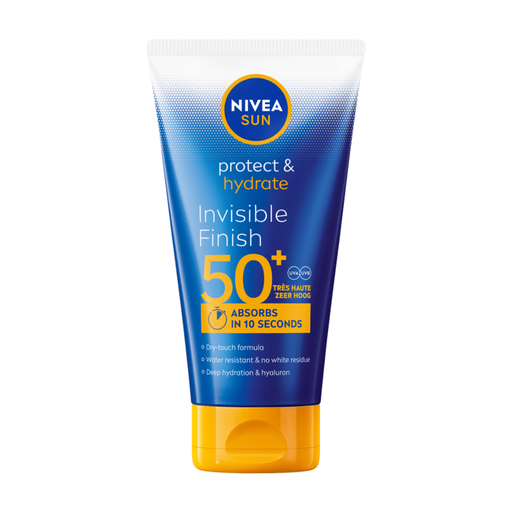
Why it suits this profile: The generous 150 ml pack is practical for everyday use on the face and body, for example during walks, bike rides or holidays in the Netherlands.
The product description states that it has a water-resistant formula, absorbs quickly and leaves no white residue. Reapplication is still necessary after swimming or drying yourself.
SPF 50+, 150 ml, dry-touch texture and, according to the product information, water resistance.

Why it suits this profile: This compact milk is aimed at shoppers who value a lightweight texture and portable size for commuting or travelling.
The product details mention a lightweight texture and water resistance. The 12 ml volume makes it clear that this is primarily a travel or handbag-sized product.
SPF 50+, milk texture, water-resistant according to the product description and 12 ml volume.
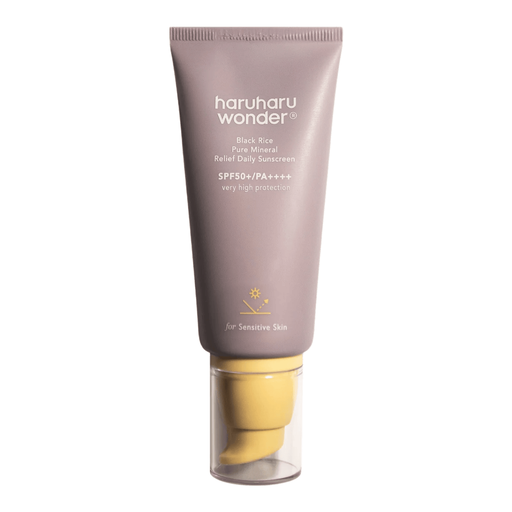
Why it suits this profile: According to the ingredients list, this Korean mineral sun cream uses zinc oxide as a UV filter and is intended for use on the face and neck.
The product information explicitly states that zinc oxide may initially leave a slight white cast. Blending it in thoroughly helps prevent unpleasant surprises after application.
50 ml volume, zinc oxide as the stated UV filter, ceramide NP in the ingredients list and SPF 50.
We have compiled a complete, up-to-date list of products that fully meet these strict selection criteria and the applicable European safety regulations.
Yes, a product with SPF 50 can be used daily on exposed skin. For the face, choose a formula suited to your skin type, such as a lightweight fluid for oily skin or a hydrating cream for dry skin. Apply enough and reapply when you are outdoors for longer periods.
Reapply after swimming, sweating and drying yourself. During prolonged sun exposure, regular reapplication is important; many product instructions recommend doing so approximately every two hours. Water-resistant sun cream reduces the amount washed off during activity, but it does not eliminate the need to reapply.
A mineral sun cream uses UV filters such as zinc oxide or titanium dioxide. A chemical formula uses other UV filters that absorb UV radiation. Both types can provide SPF 50 protection when applied correctly and generously. Pay particular attention to the ingredients list, the finish and how your skin reacts to the formula.
