
Vandaag of morgen in huis

Kwaliteit gegarandeerd

Welkomstaanbiedingen ontgrendelen: GRATIS bezorging | Tot 80% korting | Gratis 30 dagen JoyPlus-proefperiode
Download de app
Buying sun cream seems simple until you have to choose between SPF 30, SPF 50 sun cream, a spray, a stick or a facial fluid. Marketing terms such as “invisible finish”, “waterproof” and “for pigmentation” don’t always make it easier to compare products. The right choice mainly depends on UV protection, how you’ll use it, your skin type and how often you can reapply.
SPF mainly indicates protection against UVB radiation, which can cause redness and sunburn. Also check whether the product states that it offers UVA protection. UVA rays penetrate deeper into the skin. Look for a symbol such as UVA in a circle, “broad spectrum” or a similar claim on the packaging.
A high SPF doesn’t mean you’ll be protected all day, either. Swimming, sweating, towelling off and using too little product all reduce protection.
Waterproof sun cream can be useful at the beach, by the pool or when playing sport, but no sun cream stays on indefinitely. In practice, you need to reapply after swimming, sweating or towelling off. Also check whether the product information actually states that it is water-resistant.
A rich body cream can feel heavy on your face. Sun cream designed for the face often has a texture that works better under make-up. Sun cream spray is practical for your arms and legs, while a sun cream stick can be useful for small areas and touch-ups on the go.
Also check the ingredients. A fragrance-free formula can be a practical choice if you prefer to avoid fragrance on your skin. If you’re prone to reactions, it’s sensible to check the product information and test it on a small area of skin first.
SPF 30 sun cream may suit everyday use with limited sun exposure, such as short bike rides or your commute. SPF 50 or SPF 50+ is a sensible choice for prolonged exposure, fair skin, holidays, working outdoors for long periods and situations where regular reapplication is difficult.
SPF 50 does not block all UV radiation. Protection also depends on how much you use. Apply generously and evenly to all exposed skin.
Check whether the product states that it offers both UVA and UVB protection. Some products use additional labels such as PA++++, particularly Korean sun creams. PA++++ is a classification for UVA protection under the relevant testing system; always compare it with the information on the packaging and the European labelling.
Claims such as sun cream for pigmentation or “brightening” should be read with care. According to information provided by brands, certain ingredients or UV filters may help limit discolouration caused by the sun. This doesn’t guarantee that existing pigmentation will disappear. Consistent sun protection remains important.
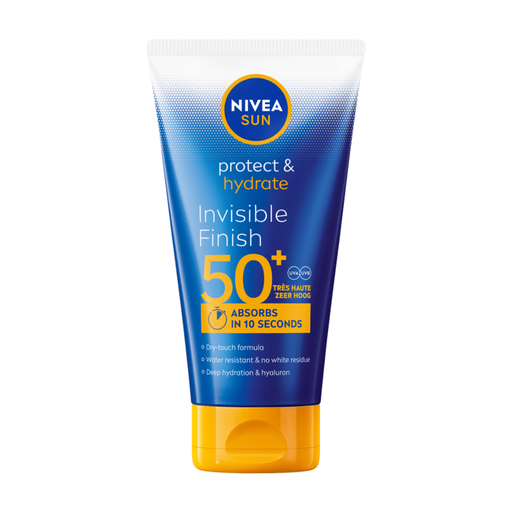
Why it suits this profile: A versatile SPF 50+ for anyone looking for one product for everyday use on the body and a comfortable, fast-absorbing texture.
The product description states that it has a water-resistant formula and a finish that leaves no white cast. You’ll still need to reapply after swimming or towelling off.
SPF50+, 150 ml, fast-absorbing dry-touch formula and, according to the product information, hydrating.
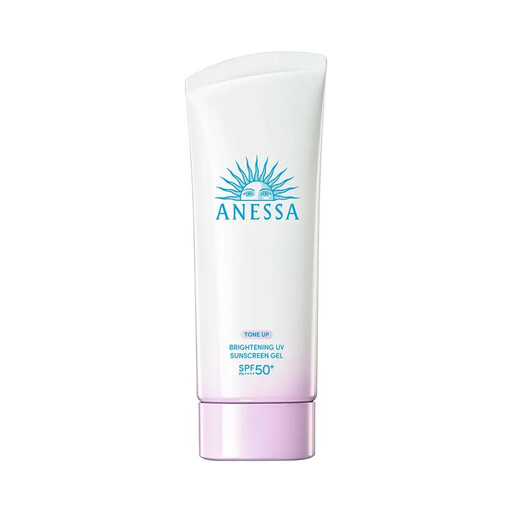
Why it suits this profile: For anyone looking for a gel texture, high protection and a product that, according to its description, can also be used as a make-up base.
Protection isn’t indicated by SPF alone: the product information also states PA++++ for UVA. Its claimed resistance to water and sweat doesn’t replace regular reapplication.
SPF50+ PA++++, 90 g, gel texture and, according to the product description, resistance to water, sweat and friction.
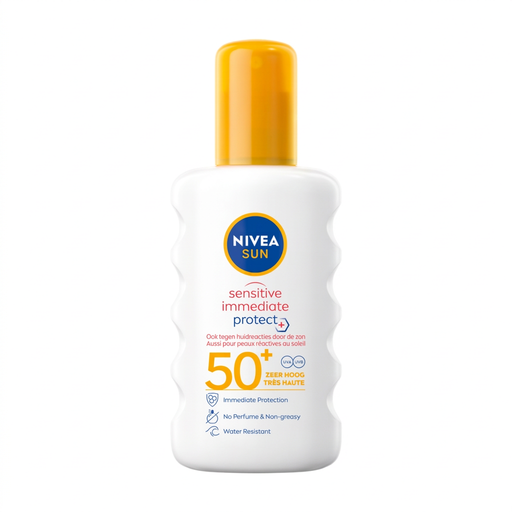
Why it suits this profile: The spray format is practical for covering large areas of the body, outdoor sports and days when quick, generous application matters.
The product information states SPF50+, a fragrance-free formula and water resistance. Don’t spray too lightly: spread the product by hand for even coverage.
SPF50+, 200 ml, spray format, fragrance-free according to the product description and suitable for sensitive skin.
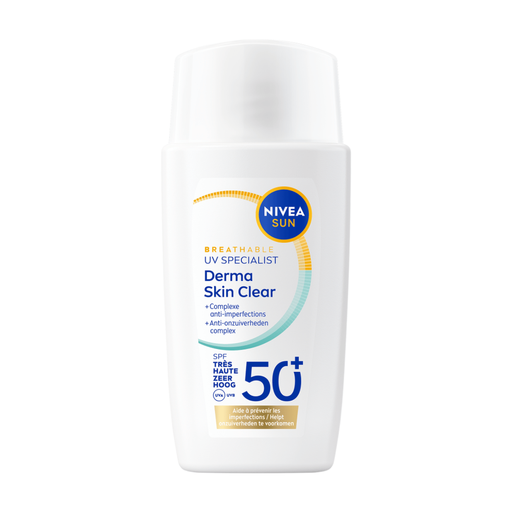
Why it suits this profile: For oily or blemish-prone skin that needs a lightweight facial sun cream with a mattifying finish under make-up.
According to information from NIVEA, the fluid is non-greasy, non-comedogenic and designed to absorb excess sebum. Check the ingredients if you’re sensitive to fragrance or alcohol.
SPF50+, 40 ml, ultra-light fluid with a mattifying effect according to the product description, and suitable as a base under make-up.
We’ve put together a complete, up-to-date list of products that meet these strict selection criteria and the applicable European safety regulations.
A sun cream stick is handy for your nose, cheekbones and other small areas, but don’t use one as an excuse to apply only a few quick swipes. For children, a larger format of fragrance-free sun cream may be more practical, such as a lotion or spray.
SPF 50 offers higher protection against UVB than SPF 30, but that doesn’t make correct and adequate application any less important. Choose SPF 50 for prolonged exposure, sensitive or fair skin, and holidays. SPF 30 may suit shorter periods of everyday exposure, provided you apply it generously and reapply.
Reapply after swimming, sweating or towelling off. Even if you haven’t been doing any of these things, you may need to reapply if you’re outside for a long time. Check the packaging for specific instructions. Water-resistant doesn’t mean you won’t need to reapply after a swim.
Yes. Choose a lightweight facial sun cream that absorbs quickly. A mattifying sun cream can feel comfortable on oily skin, while a gel or light fluid often feels less heavy. Let the sun cream absorb fully before gently applying make-up over it.
