
Vandaag of morgen in huis

Kwaliteit gegarandeerd

Welkomstaanbiedingen ontgrendelen: GRATIS bezorging | Tot 80% korting | Gratis 30 dagen JoyPlus-proefperiode
Download de app
Choosing SPF 50 sun cream may seem straightforward at first glance. However, there are significant differences between SPF 50 sun cream for the body, a lightweight facial sunscreen and a formula for children. The texture, water resistance, fragrances and protection against UVA and UVB radiation all influence whether you will continue to enjoy using the product every day.
The main pitfall: a high SPF does not make up for applying too little product or reapplying too infrequently. Terms such as “water-resistant”, “no white cast” and “helps prevent pigmentation” also need to be understood in the right context. Below, you’ll find a practical overview and some popular choices for different user profiles.
SPF mainly indicates protection against UVB radiation, which can cause redness and sunburn, among other effects. UVA protection is also important for everyday protection. UVA radiation penetrates more deeply and contributes to long-term sun damage and visible skin ageing.
So check whether the packaging or product description mentions both UVA and UVB protection. With Korean sunscreens, you will often see the designation PA++++. This is a classification for UVA protection. European products also use the UVA symbol in a circle when they meet the relevant requirements.
Water-resistant sun cream generally stays on better while swimming or perspiring, but protection decreases due to water, friction and towel-drying. No formula eliminates the need to reapply.
Apply SPF 50 sun cream generously before sun exposure. Reapply regularly, particularly after swimming, exercising, sweating or drying yourself with a towel. For the face and neck, applying a generous, even layer is more important than simply applying a thin layer beneath make-up.
“Hydrating”, “mattifying” and “no white cast” mainly describe the user experience and finish. They do not automatically mean that the formula is suitable for every skin type.
SPF 50 provides a high level of UVB protection when the product is applied correctly and in sufficient quantity. SPF 50+ refers to a higher measured protection category, but it does not mean that you can stay in the sun indefinitely.
Also look out for:
Claims about pigmentation or skin ageing are product claims. According to a brand’s own research, certain ingredients or formulas may play a role in this, but such claims are not a guarantee for every skin type or individual result. Sun protection and covering clothing remain important.
For the face, many users choose a lightweight fluid, gel or cream. A product with a thin texture may be easier to apply every day. Those with dry skin may find ingredients such as glycerine, hyaluronic acid, panthenol or nourishing oils more comfortable.
For oily or combination skin, a mattifying sunscreen, dry-touch finish or oil-absorbing ingredients may be more practical. A formula that absorbs quickly and does not feel sticky makes it more likely that you will apply enough.
Check the ingredients list before buying, particularly if you have previously reacted to fragrance, alcohol, essential oils or specific UV filters. Products with mineral filters such as zinc oxide and titanium dioxide may leave a visible cast on some skin tones, while other formulas may have a tone-up effect.
Stop using the product if you experience redness, swelling, itching or a burning sensation, and rinse the product out of your eyes with water if necessary. If symptoms persist, seek advice from a doctor or dermatologist.
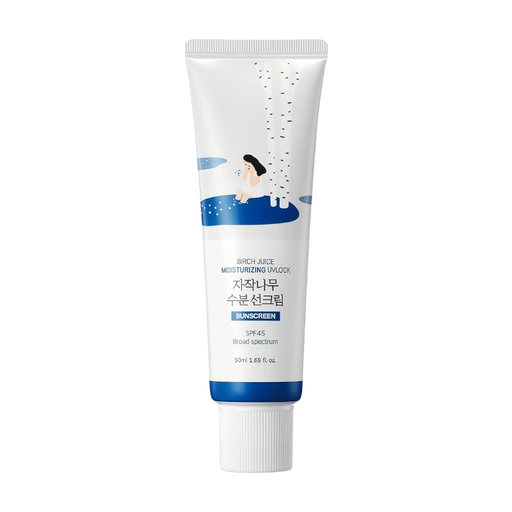
Why it suits this profile: A compact facial sunscreen with SPF 50 and ingredients such as glycerine, niacinamide and hyaluronic-acid-like humectants for everyday use.
The product description mentions chemical UV filters and recommends reapplying after swimming, sweating or towel-drying.
50 ml; hydrating ingredients; suitable as the final step in your morning routine.

Why it suits this profile: A small size for anyone looking for a lightweight milk texture and a product to take on the go.
The product information mentions water resistance, but still recommends reapplying after swimming or sweating.
SPF 50+; lightweight milk; 12 ml travel size.
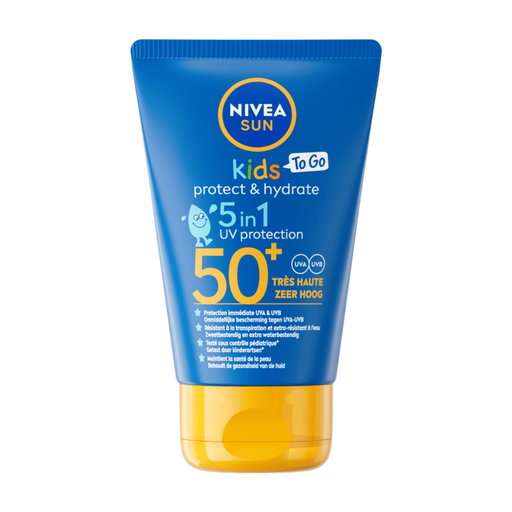
Why it suits this profile: The 50 ml size fits in a beach bag or rucksack and is designed for active children and families on the go.
The description mentions extra water resistance, but also emphasises reapplying after contact with water, sweating and towel-drying.
SPF 50+; UVA and UVB protection; extra water-resistant formula; compact size.
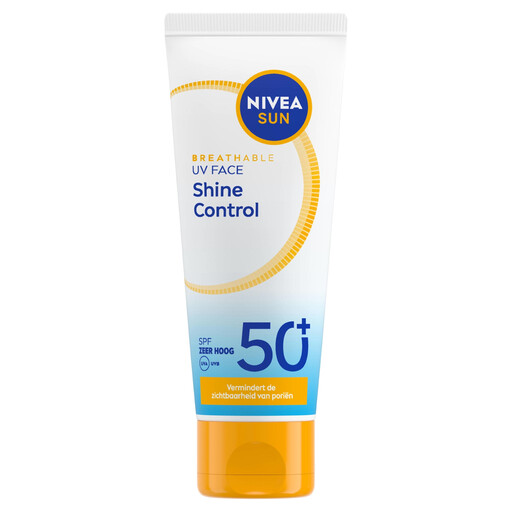
Why it suits this profile: The product description mentions a lightweight, fast-absorbing formula with a mattifying finish for everyday use.
The mattifying finish is linked to ingredients such as tapioca starch, rice starch and silica; however, check your personal tolerance.
SPF 50+; PA++++ according to the product description; oil-controlling and mattifying finish.
We’ve put together a complete, up-to-date list of products that fully meet these strict selection criteria and the applicable European safety regulations.
Apply your sun cream as the final step in your morning routine. For the face, also cover the ears, neck and hairline when exposed. Ideally, wait 15 to 30 minutes before prolonged sun exposure if this is stated in the usage instructions.
For the body, choose a size that you can top up regularly. A 200 ml bottle is more practical for holidays or families than a 40 or 50 ml tube. For the face, a smaller pack may be more convenient, especially if you use a formula beneath make-up.
A sunscreen for pigmentation may contain ingredients that, according to the brand’s own research, help support the appearance of pigmentation. Consider this an additional feature, not a substitute for adequate UV protection. For children, shade, clothing, a hat and avoiding strong midday sun are at least as important as using sun cream for children.
Yes, SPF 50 can be used every day on the face and body. Choose a texture that suits your skin type and apply enough. During prolonged sun exposure, you must reapply, even when the product has a high SPF.
Check the expiry date or the period-after-opening symbol on the packaging. Store sun cream in a cool place away from direct sunlight. A product that has been left for a long time in a hot car or in full sun may become less pleasant to use. Also check its smell, colour and texture before applying it again.
Look for a fragrance-free sunscreen and check the full ingredients list. For example, NIVEA SUN Sensitive Immediate Protect Sun Milk SPF 50+ states that it has a fragrance-free and highly water-resistant formula. However, every skin type can react differently. Test a small amount first and stop using it if irritation occurs.
