
Vandaag of morgen in huis

Kwaliteit gegarandeerd

Welkomstaanbiedingen ontgrendelen: GRATIS bezorging | Tot 80% korting | Gratis 30 dagen JoyPlus-proefperiode
Download de app
SPF 50 sun cream is a popular choice for holidays, days at the beach and everyday use. But the number on the packaging alone doesn’t tell you whether a product is right for your needs. SPF 50 sun cream for your face has different requirements from sun lotion for children or a compact stick for when you’re out and about.
The most common pitfalls often come down to the details: not applying enough, choosing a product that doesn’t suit your skin type or mistaking water resistance for lasting protection. Check the packaging and ingredients carefully to make a more informed choice.
SPF mainly refers to protection against UVB rays. So check whether the product also states that it offers UVA protection. UVA and UVB protection together are better suited to everyday use outdoors. And remember, no sun cream replaces shade, covering up or avoiding strong midday sun.
Water-resistant sun cream is designed to stay on your skin better while you swim or sweat. You’ll still need to reapply after swimming, drying yourself or exercising intensively. Even if a product is described as “very water-resistant”, always follow the instructions for use.
An SPF 50 sun stick is handy for your nose, cheeks and days out, but it may be less practical for covering larger areas of your body. Sun lotion is usually quicker to spread evenly over your arms, legs and shoulders. A small travel size is useful in your bag, but check whether 30 or 50 ml will be enough for the time you have planned.
Choose a product clearly labelled SPF 50 or SPF 50+. Also look for UVA protection, for example through the UVA marking on the packaging. Check the advice on applying before going out in the sun and reapplying regularly. Recommended waiting times and how often to reapply can vary between products.
Ingredients such as alcohol, perfume and certain UV filters can affect people differently. Always check the current ingredients list on the packaging, as formulas can change.
Terms such as “hydrating”, “for sensitive skin” or “tested by paediatricians” are product claims. According to NIVEA’s own information, the Kids To Go formula has been tested for skin compatibility by paediatricians and dermatologists. This doesn’t guarantee that every child will tolerate the product without any problems. If irritation, redness or itching occurs, stop using it and follow the instructions on the packaging.
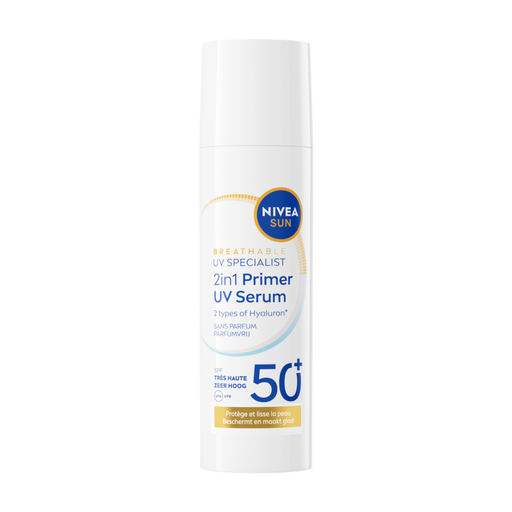
Why it suits this profile: A compact option for everyday use on your face, especially if you want sun cream and make-up to fit into one routine.
The product description states that it offers UVA/UVB protection and has a perfume-free formula and lightweight texture. Check the packaging for the latest information.
30 ml, hyaluronic acid in the ingredients list and designed to be used as a base under make-up, according to the product information.
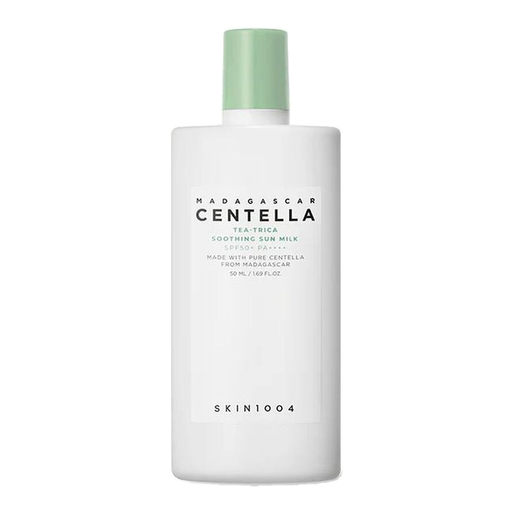
Why it suits this profile: A good option for skincare fans looking for SPF 50 in a milky texture, with additional ingredients.
The usage instructions provided recommend reapplying after swimming, sweating or drying yourself. This helps avoid mistaking water resistance for lasting protection.
50 ml, with centella asiatica, glycerine, ceramide NP and niacinamide among the ingredients listed.
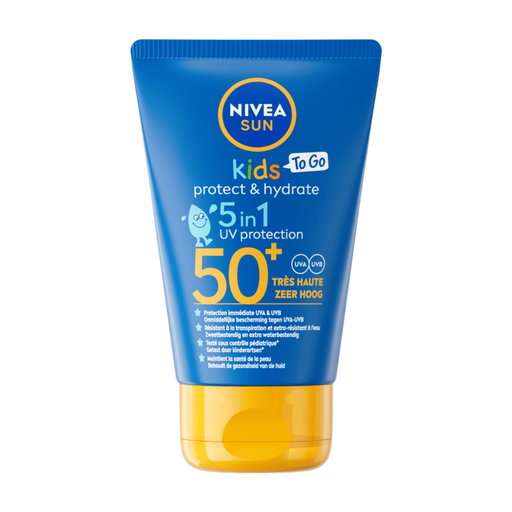
Why it suits this profile: A travel-sized option for parents who want to carry sun cream for children on days out, holidays and trips to the playground.
The product description states that this sun cream is extra water-resistant. You’ll still need to reapply after swimming or drying yourself.
50 ml, SPF 50+, UVA/UVB protection according to NIVEA, and ingredients such as panthenol and a vitamin C derivative.
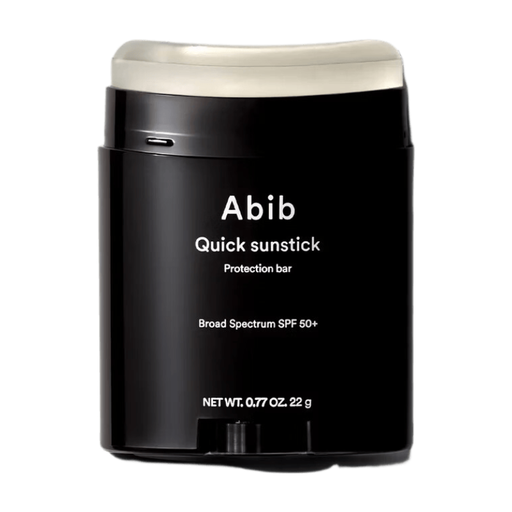
Why it suits this profile: Ideal if you want to carry a compact sun stick and quickly top up protection on exposed areas.
The stick format makes topping up practical, but you’ll need to go over each area several times for even coverage, avoiding the eye area.
22 g, SPF 50+, PA++++ according to the product information, and designed to be used over or under make-up.
We’ve put together a complete, up-to-date list of products that meet these strict selection criteria and current European safety regulations.
Reapply after swimming, sweating or drying yourself. If you’re out in the sun for a long time, you’ll need to top up regularly, even if you haven’t been in the water. Always follow the instructions on the packaging.
It can be, but facial sun cream often has a lighter texture and may work better with make-up or a skincare routine. Check that the product is intended for use on your face. If you have sensitive skin, test a small amount first.
Check the expiry information and the open-jar symbol on the packaging. Store sun cream in a cool place, away from direct sunlight. It’s best not to use a product if its smell or texture has changed, or if it has visibly separated.
