
Vandaag of morgen in huis

Kwaliteit gegarandeerd

Welkomstaanbiedingen ontgrendelen: GRATIS bezorging | Tot 80% korting | Gratis 30 dagen JoyPlus-proefperiode
Download de app
SPF 50 sun cream is popular for holidays, days at the beach and everyday use in the Netherlands. However, the number on the packaging alone does not tell you whether a product is right for you. Dry facial skin needs a different texture from oily skin, while children especially benefit from a formula that is easy to apply generously.
Marketing terms can also be confusing. A product may be described as “water-resistant”, “invisible” or “suitable for sensitive skin”, but that does not mean you need to apply it less often. Below, we outline the key points to consider, along with some popular options based on the listed product specifications.
SPF mainly refers to protection against UVB radiation, which can cause redness and sunburn. So, also check whether UVA protection is clearly stated. UVA penetrates deeper into the skin and contributes to long-term skin ageing and pigmentation.
Look for wording such as UVA/UVB protection, rather than relying solely on SPF 50 or SPF 50+. No sun cream makes prolonged exposure without additional precautions advisable. Avoid the strongest sunshine, wear covering clothing, and use a hat or parasol for children.
Water-resistant sun cream is useful when swimming or exercising, but the protective layer can be reduced by water, perspiration, towel-drying and friction. Reapplication is still necessary. “Water-resistant” is therefore no reason to use less product or skip application.
A sun protection spray is practical for arms and legs, but do not spray it directly onto your face. Spray it into your hands first, then apply it. This helps prevent contact with your eyes and reduces the risk of an uneven layer.
A lightweight, transparent or mattifying formula may feel comfortable, but applying too thin a layer may not provide enough protection. Apply sun cream generously to all exposed areas and reapply regularly, especially after swimming, sweating or towel-drying.
When choosing SPF 50 facial sun cream, also consider the ingredients. Alcohol, perfume and certain fragrances may not be suitable for everyone. Check the ingredients list if you have sensitive or redness-prone skin, and test a new product on a small area of skin first.
For everyday protection and sunny days, SPF 50 or SPF 50+ is a sensible choice when you are looking for a high protection factor. Also check:
A 200 ml bottle is practical for the body and the whole family. A 40 to 50 ml tube fits more easily in a bag and is often intended for use on the face.
The texture determines whether you will want to use a product every day:
Claims about additional effects should be viewed with some nuance. According to a brand’s own research, ingredients may, for example, contribute to hydration, a mattifying effect or a more even-looking complexion. This is not a guarantee for every user.
Ideally, apply sun cream before going outside. Do not forget your ears, neck, hands, feet and hair parting. For your face, around two finger lengths is a practical guideline. Reapply during prolonged exposure and always after swimming, sweating or towel-drying.
Extra care is needed for babies and young children. Keep babies out of direct sunlight and follow the age recommendation on the packaging. A product described as suitable for children from 6 months is not automatically intended for younger babies.
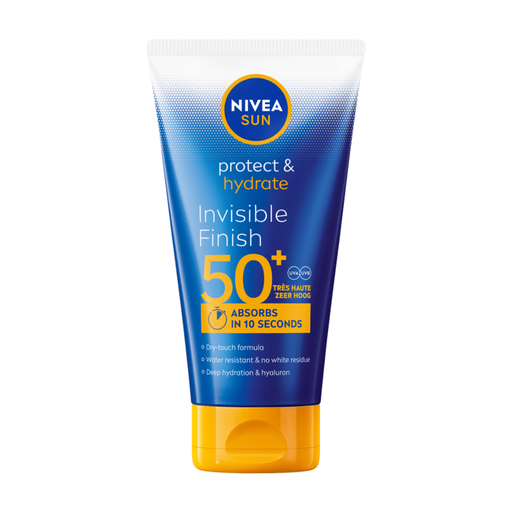
Why it suits this profile: This 150 ml sun cream is suitable for everyday use on the body and arms. According to the product description, its dry-touch texture absorbs quickly and leaves no white cast.
The product information states that it offers UVA/UVB protection and is water-resistant. This means you do not have to rely solely on the SPF rating.
150 ml, SPF 50+, water-resistant and formulated with glycerine and sodium hyaluronate according to the ingredients list.
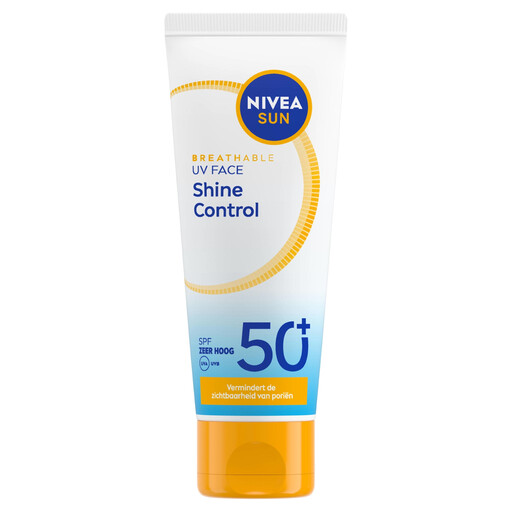
Why it suits this profile: This SPF 50 facial sun cream is designed to leave a lightweight, non-greasy finish and, according to the product description, can be worn under make-up.
The product description states SPF 50+, PA++++, an invisible finish and a non-comedogenic formula. Check the ingredients if your skin is sensitive to perfume or alcohol.
40 ml, SPF 50+, mattifying texture and, according to the brand description, suitable for application in layers.
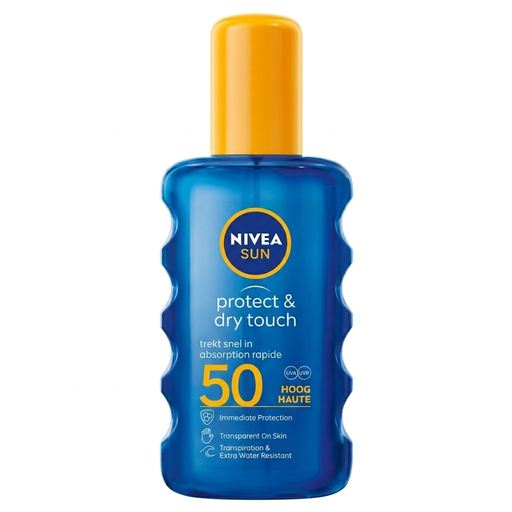
Why it suits this profile: This 200 ml sun protection spray is designed for quick application to the body and is described in the product information as water- and sweat-resistant.
The transparent formula is designed to help minimise streaks and a white cast. Still, apply enough product and rub it in thoroughly.
200 ml, SPF 50, transparent sun protection spray, UVA/UVB protection and a water-resistant formula.
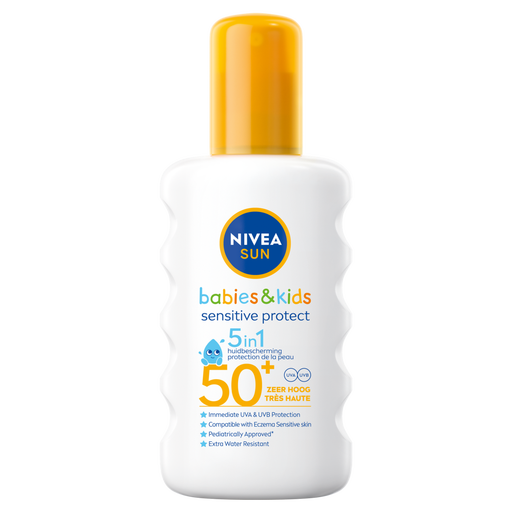
Why it suits this profile: The product information states that it has a fragrance-free formula, SPF 50+, extra water resistance and is suitable for children from 6 months.
The age recommendation and usage warning are clearly stated. Do not spray directly onto the face and keep young children out of direct sunlight.
200 ml, fragrance-free, UVA/UVB protection and an extra water-resistant sun protection spray according to the product description.
We have put together a complete, up-to-date list of products that fully meet these strict selection criteria and the applicable European safety regulations.
Yes, SPF 50 can be used every day on your face and body. For your face, choose a formula that feels comfortable under make-up. Reapply when you are outdoors for extended periods, perspire or wash your face.
Check the expiry date and the open-jar symbol on the packaging. Store sun cream in a cool place away from direct sunlight. If a product smells different, has changed colour or its texture has altered, it is best not to use it.
Not necessarily. A spray is often quicker to spread, but wind or incomplete application can lead to product being lost. Cream or milk makes it easier to see where you have already applied it. The right choice depends on ease of use, skin type and where you are applying the product.
