
Vandaag of morgen in huis

Kwaliteit gegarandeerd

Welkomstaanbiedingen ontgrendelen: GRATIS bezorging | Tot 80% korting | Gratis 30 dagen JoyPlus-proefperiode
Download de app
If you are looking for SPF 50 sun cream for your face to use every day, you will often focus mainly on the protection rating. That makes sense, but it is not the whole story. A cream can offer SPF 50+ and still feel uncomfortable, pill under make-up or leave your skin looking too shiny. Similarly, a product described as “water-resistant” may not provide protection all day.
As a Joybuy Product Recommendation Officer, I therefore start by looking at verifiable details: the protection level, texture, amount, ingredient list and intended use. This helps you avoid paying for a formula that does not suit your skin or daily routine.
SPF 50+ mainly indicates protection against UVB rays, which can cause redness and sunburn. For everyday facial protection, UVA protection is also important. Check whether the product clearly states that it offers UVA/UVB protection. With Korean sun creams, you will often also see PA++++, which indicates UVA protection.
A high SPF does not mean you can skip reapplication. Sweat, rubbing, swimming and drying yourself can reduce the layer that has been applied.
A lightweight sun cream for the face can feel comfortable on oily or combination skin, while dry skin may benefit from additional moisturising ingredients. Conversely, a rich lotion can feel heavy or look shiny on oily skin.
Also look out for alcohol denat., perfume and fragrance ingredients. These are not automatically unsuitable, but they may feel less comfortable on sensitive skin. Always check the current ingredient list on the packaging.
A sun cream without a white cast is particularly important when using visible mineral filters such as titanium dioxide or zinc oxide. A tinted formula can also look different on different skin tones. Test a small amount along your jawline before using the product every day.
“Water-resistant” also does not mean that you can swim indefinitely without reapplying. Reapply after swimming, sweating or drying yourself, following the instructions for use.
For daily use, choose a product with SPF 50 or SPF 50+ and check that UVA protection is clearly stated. Apply enough to your face and neck. A layer that is too thin can significantly reduce the level of protection. As a practical guide, you can use around two finger lengths of product for your face and neck, depending on the dispenser and texture.
Apply facial sun cream as the final step in your morning skincare routine, usually 15 to 30 minutes before sun exposure. When outdoors, reapply regularly, especially after swimming, exercising or drying yourself.
Choose according to how you use it every day:
For sensitive skin, fragrance-free options can be a practical starting point. For oily skin, terms such as “shine control”, “dry touch” or “non-greasy formula” may be relevant, but also check the full ingredient list. Niacinamide, glycerine, hyaluronic acid, panthenol and ceramides are often used in skincare formulas. However, their presence alone does not indicate how your skin will react.
Brand claims about, for example, a mattifying effect, a reduction in the appearance of blemishes or anti-ageing benefits are not universal guarantees. According to a brand’s own research, such results may have been measured under specific conditions. Therefore, focus mainly on the ingredients, instructions for use and how your own skin responds.
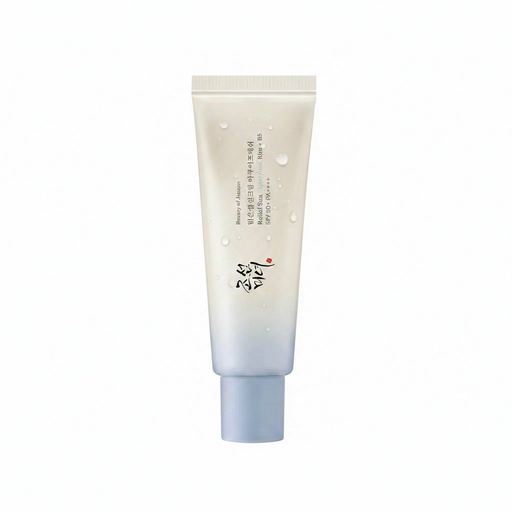
Why it suits this profile: The lightweight texture is designed for everyday use on the face and, according to the product description, absorbs quickly without leaving a white cast or greasy residue.
The product information states SPF 50+ PA++++, a watery lotion texture and no white cast. This means you do not have to rely solely on a marketing term such as “lightweight”.
SPF 50+ PA++++, fragrance-free according to the product details, with rice water and panthenol as skincare ingredients.

Why it suits this profile: The compact 12 ml milk is ideal if you want a lightweight, nourishing formula in a small size for your handbag or when travelling.
The product description states SPF 50+, a lightweight texture and water resistance. However, check the packaging and reapply after swimming or sweating.
SPF 50+, 12 ml capacity and a milk formula that, according to the product specifications, is suitable for the face, neck and other exposed areas of skin.
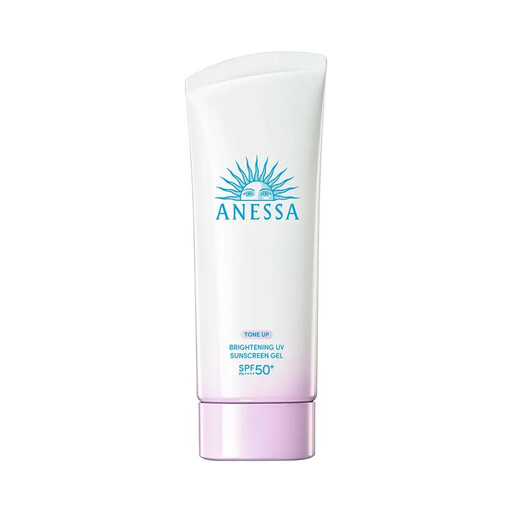
Why it suits this profile: According to the product information, the gel is designed for situations involving water, sweat and friction, such as cycling, walking or an active day outdoors.
The product description states that it resists water, sweat and friction. This is more relevant for intensive use than a high SPF rating alone.
SPF 50+ PA++++, 90 g capacity and a gel texture with a subtly tinted, radiant finish according to the product description.
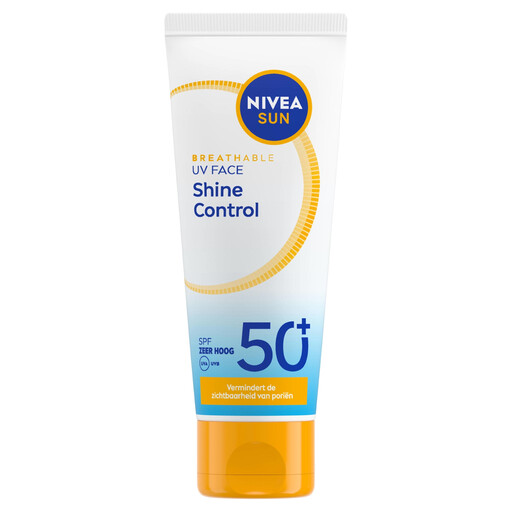
Why it suits this profile: The product description mentions a lightweight, non-greasy formula with a mattifying finish and oil control. This can be practical under make-up or during a working day.
The finish is specifically described as mattifying and non-greasy. If you have sensitive skin, check the ingredient list for alcohol denat. and perfume.
SPF 50+ PA++++ according to the product information, a compact 40 ml pack and a formula that is said to absorb quickly.
We have compiled a complete, up-to-date list of products that fully meet these strict selection criteria and the applicable European safety regulations.
Reapply after swimming, sweating, drying yourself or extensive rubbing. If you are outdoors for a long time, regular touch-ups are advisable, often around every two hours. The exact frequency depends on the instructions for use, your exposure and the conditions.
Look for a lightweight sun cream for the face with a matte, dry-touch or shine-control finish. According to the product description, NIVEA SUN UV Face Shine Control is designed to leave skin feeling less shiny. However, a matte finish can feel drier, so try a small amount first.
Check the expiry information, batch number and packaging. Store sun cream in a cool place away from direct sunlight. An opened product may start to smell different, change colour or develop a different texture. Stop using it if the formula has clearly changed.
