
Vandaag of morgen in huis

Kwaliteit gegarandeerd

Welkomstaanbiedingen ontgrendelen: GRATIS bezorging | Tot 80% korting | Gratis 30 dagen JoyPlus-proefperiode
Download de app
SPF 50 facial sunscreen should feel comfortable enough for everyday use. Yet many people end up with a product that stings around the eyes, leaves a white cast, looks shiny or pills under make-up. The SPF on the packaging doesn’t tell you everything about how a sunscreen feels to use.
The most common pitfalls are:
SPF 50 or SPF50+ indicates protection against UVB rays. Also look for a clear indication of UVA protection, such as the UVA symbol in a circle or a statement in the product specifications. Some Korean products also use the PA+++ or PA++++ rating.
SPF 50 doesn’t mean you can stay in the sun indefinitely. Apply enough product to your face, ears and neck, and reapply during prolonged exposure, after swimming, sweating or drying yourself. Follow the instructions on the packaging.
A mineral sunscreen uses ingredients such as zinc oxide or titanium dioxide as UV filters. The ingredients list for SKIN1004 Madagascar Centella Poremizing Velvet Finish Sunscreen includes Zinc Oxide and Titanium Dioxide. A mineral formula may suit people who want to avoid certain organic filters, but depending on the shade and amount used, it can leave a white cast.
Other formulas use organic UV filters. BIRCH Juice Moisturizing Sunscreen lists Diethylamino Hydroxybenzoyl Hexyl Benzoate, Ethylhexyl Triazone and other UV filters. The type of filter affects not only protection, but can also influence the texture and how the sunscreen feels on your skin.
If you have sensitive skin, always check the full ingredients list. “Fragrance-free”, for example, doesn’t automatically mean a product will suit everyone.
Choose a finish that suits your daily routine:

Why it suits this profile: This lightweight cream formula is designed for everyday use, and the product information gives it an SPF50+ and PA+++ rating. It’s an approachable Korean sunscreen for anyone looking for a moisturising feel.
The product description specifically mentions a lightweight texture with no white cast or sticky feel. Before buying, though, check the current packaging and ingredients list.
SPF50+ PA+++, 30% rice extract according to the product information, fragrance-free, and a 50 ml size.
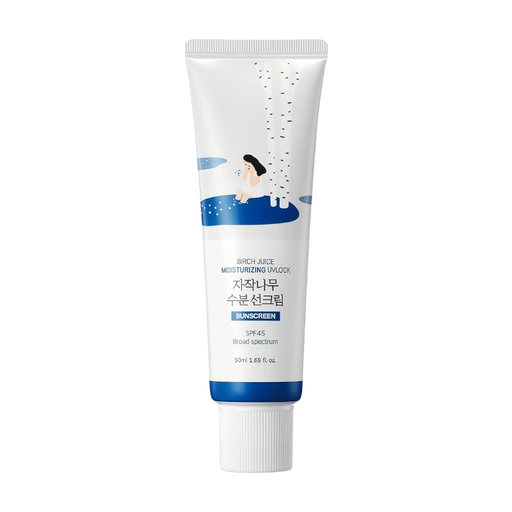
Why it suits this profile: This formula is a good fit for anyone looking to combine everyday sun protection with a cared-for, moisturised feel.
The product listing shows which organic UV filters are used. This makes it easier to compare the formula than if you relied on a marketing name alone.
50 ml, glycerin, sodium hyaluronate and several listed UV filters; according to the product information, it’s suitable for everyday use.

Why it suits this profile: The compact size is handy for your bag, a holiday or topping up on the go. The product description says the milk is water-resistant.
The small pack makes it easier to reapply. Bear in mind, though, that 12 ml is considerably less than the usual 40 to 50 ml for everyday use.
SPF50+, a milk texture, a compact size and, according to the product information, water resistance.
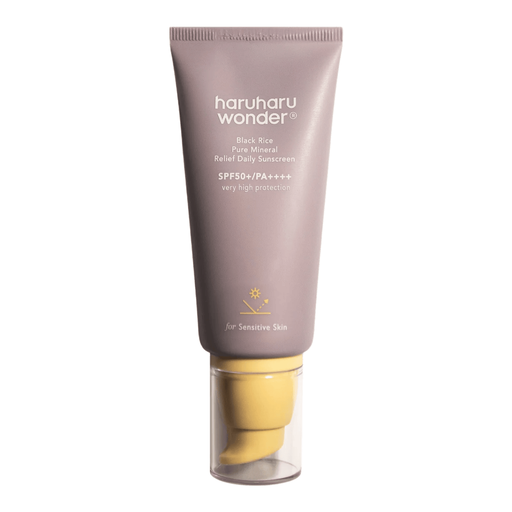
Why it suits this profile: According to the ingredients list, this formula uses Zinc Oxide and is aimed at people looking for a fragrance-free mineral sunscreen.
The product information warns that zinc oxide may initially leave a slight white cast. Apply it evenly and test it beforehand to avoid an unexpected finish.
Zinc oxide as a mineral UV filter, 50 ml, Ceramide NP in the ingredients list, and a recommended amount of two finger lengths for the face and neck.
We’ve put together a complete, up-to-date list of products that meet these strict selection criteria and the applicable European safety regulations.
It depends on your exposure, skin type and circumstances. If you spend a lot of time working outdoors, cycling, exercising or burn easily, you may want to choose SPF 50. Always check the UVA rating too. UV rays can reach your skin even on cloudy days.
Check the expiry information on the packaging and look for the open-jar symbol, if there is one. Store sunscreen somewhere cool and out of direct sunlight. If its smell, colour or texture changes, stop using it. An opened tube left for a long time in a warm bag or car may deteriorate more quickly.
Korean sunscreens often focus on lightweight textures, hydration and a comfortable finish. European products must comply with the applicable EU cosmetics regulations and may have different product claims or packaging information. So don’t compare SPF50+ alone: check the UVA rating, ingredients, size, reapplication advice and suitability for your skin too.
