
Vandaag of morgen in huis

Kwaliteit gegarandeerd

Welkomstaanbiedingen ontgrendelen: GRATIS bezorging | Tot 80% korting | Gratis 30 dagen JoyPlus-proefperiode
Download de app
An SPF 50+ facial sunscreen can feel comfortable, work well under make-up and still suit dry, oily or sensitive skin. But product names such as “sun serum”, “glass skin” and “anti-ageing” say little on their own about which option is right for you. The packaging and ingredients list provide more useful guidance.
The most common poor purchases result from three pitfalls:
SPF 50 or SPF 50+ mainly refers to protection against UVB rays, which can contribute to redness and sunburn. For daily UV protection on the face, it is also sensible to check whether UVA protection is explicitly stated.
With Korean sunscreen, you will often see PA+++ or SPF 50 PA++++ on the label. The PA rating provides information about UVA protection according to the testing system used. European products may also display a UVA symbol or other information on the packaging. So do not compare the letters alone; check the complete product information.
A product with SPF 30, such as the Eucerin Hyaluron-Filler + elasticity rosé day cream or some NIVEA day creams, is not automatically an alternative to SPF 50+ facial sunscreen. It may, however, suit someone who is mainly looking for a day cream with limited sun protection.
A sunscreen serum or lightweight fluid is often practical for oily or combination skin, especially under make-up. A cream with a richer texture may feel more comfortable on dry skin, but can feel heavier during the day.
Look out for these features:
A sun protection product only works at its stated protection level when you apply enough. Use it as the final step in your morning routine on your face and neck. If you sweat, swim, dry yourself or spend a long time outdoors, reapply according to the label.
A stick is convenient for use on the go, but can be harder to apply evenly than a liquid product. A larger pack may work out more economical for daily use, while a smaller size is handy for a bag or travel. Always check the shelf-life information and batch details on the packaging.
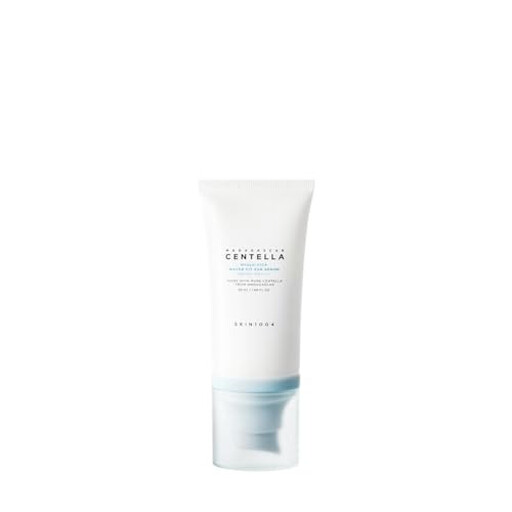
Why it suits this profile: The 50ml pack is a manageable choice for anyone trying Korean sunscreen for the first time. The product description states SPF 50+, PA+++ and a lightweight serum texture.
The specifications mention both UVA/UVB protection and a formula without a sticky feel or white film. Always check the current packaging.
50ml volume, a serum-like texture and ingredients such as glycerine, niacinamide and hyaluronic acid, according to the product information.
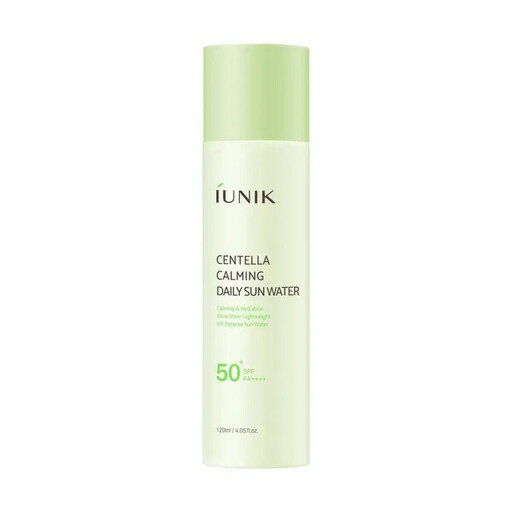
Why it suits this profile: This Korean sunwater formula combines a generous volume with SPF 50+ PA++++ and a lightweight, watery texture.
The product information states that it leaves no sticky feel or white cast. The brand also says that the formula is not water-resistant, so choose a different product for swimming.
120ml, fragrance-free according to the product description, with centella, panthenol and several forms of hyaluronic acid.
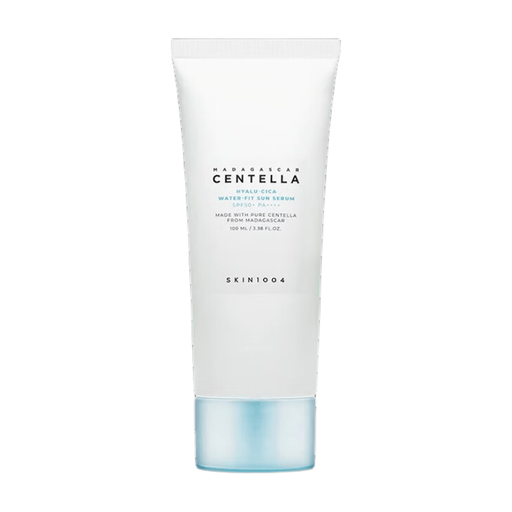
Why it suits this profile: The 100ml volume is practical for daily use on the face, neck and other areas exposed to UV, as stated in the product instructions.
The formula contains several listed UV filters and moisturising ingredients. If you sweat or dry yourself, reapply according to the label.
100ml volume, hyaluronic acid and centella asiatica in the ingredients list, with advice to reapply regularly.
Yes, SPF 50 is intended for people who want a higher stated level of UVB protection. Apply the product generously as the final step in your skincare routine and reapply when you sweat, swim or dry your face. Avoid prolonged exposure to strong sunlight; no SPF product blocks all radiation.
Avoid applying too many skincare layers one after another. Allow your serum and moisturiser to absorb first, then apply the sunscreen evenly. Lightweight sun protection, such as a fluid, sunwater or sunscreen serum, may be more practical for this than a rich day cream. Test the combination on a small area of skin beforehand.
Follow the expiry date and the period-after-opening information on the packaging. Store sunscreen in a cool place away from direct sunlight. If the smell, colour or texture changes, stop using the product. An opened pack will also run out more quickly if you apply enough every day.
We have put together a complete, up-to-date list of products that fully meet these strict selection criteria and the applicable European safety regulations.
