
Vandaag of morgen in huis

Kwaliteit gegarandeerd

Welkomstaanbiedingen ontgrendelen: GRATIS bezorging | Tot 80% korting | Gratis 30 dagen JoyPlus-proefperiode
Download de app
Facial sunscreen SPF 50 may seem straightforward to choose at first glance. Yet there are significant differences in texture, filters, finish and ease of use. A product described as “light” or “invisible” on the packaging may still leave your skin looking shiny, cause stinging or pill under make-up.
The most common pitfalls:
If you spend time outdoors every day, you will often want to choose SPF 50 facial sunscreen or SPF 50+. SPF indicates the level of protection against UVB rays, which can cause redness and sunburn, among other things. UVA rays penetrate more deeply and are often associated with skin ageing and pigmentation changes.
A product with SPF 50+ is not automatically suitable for every situation. Also check:
Oily skin often benefits more from a non-greasy sunscreen or mattifying sunscreen with a lightweight finish. Ingredients such as silica, tapioca starch or rice starch are used in some formulas to create a less shiny feel on the skin. This does not guarantee a long-lasting matte result; sebum production, temperature and make-up also play a part.
For dry skin, a facial sunscreen containing glycerine, hyaluronic acid or other moisture-binding ingredients may feel more comfortable. If you have sensitive skin, it is worth checking carefully for fragrance, alcohol denat. and essential oils. Always test a new formula on a small area of skin first.
Mineral filters such as zinc oxide can leave a white cast, particularly when applied generously or on darker skin tones. Some products therefore explicitly describe themselves as sunscreen without a white cast. Also check whether the product is tinted.
A tinted sunscreen can visually even out redness or blemishes, but the shade needs to suit your skin tone. A CC fluid or tinted fluid does not automatically replace the amount of make-up you are used to applying. Apply enough product to achieve the stated protection, then carefully layer your make-up on top.
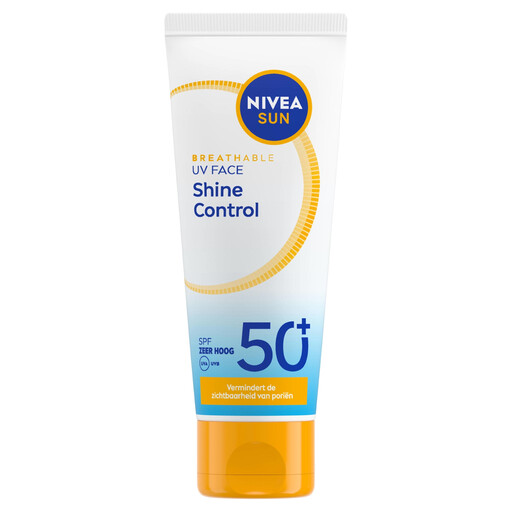
Why it suits this profile: A compact SPF 50 facial sunscreen for everyday use, especially when a lightweight, dry finish is important.
The product description mentions a dry-touch texture, an invisible finish and a non-comedogenic formula. However, check whether the fragrance and alcohol are suitable for your skin.
SPF50+, PA++++ according to the product information; designed to feel mattifying on the skin and to be worn under make-up.
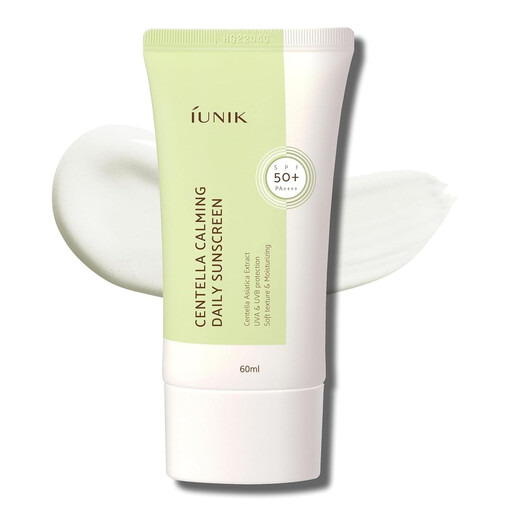
Why it suits this profile: An appealing option for anyone looking for Korean sunscreen with a lightweight formula for everyday use and no fragrance.
The product information states SPF50+, PA++++, a non-sticky finish and no fragrance. If your skin is very sensitive, a patch test is still advisable.
UVA and UVB protection stated in the product information; 60 ml capacity and suitable for daily application.
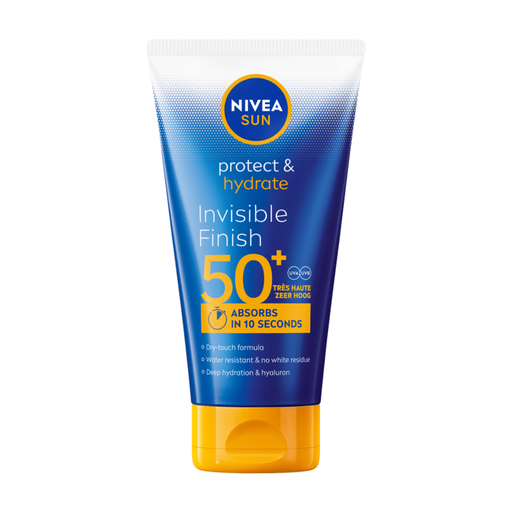
Why it suits this profile: The 150 ml bottle is ideal for people who spend a lot of time outdoors and regularly protect their face, neck or other uncovered areas.
The product page mentions a water-resistant formula and a finish without white residue. Check the packaging to ensure that the current formula and contents match.
SPF50+ according to the product description; dry-touch formula and 150 ml capacity for regular use.
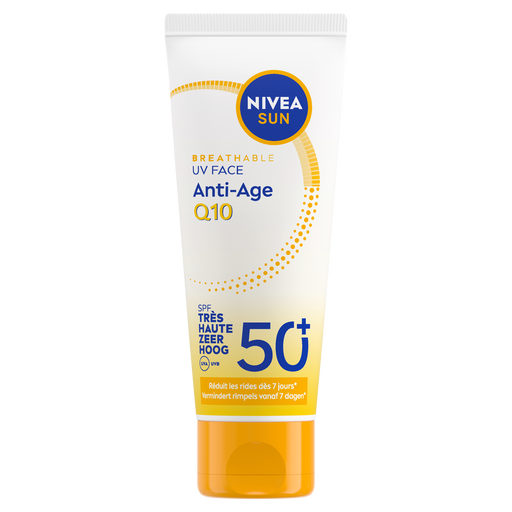
Why it suits this profile: For adults looking for anti-ageing sunscreen in a lightweight formula for their daily routine.
According to NIVEA’s own research, the formula was developed with Q10, collagen peptides and Licochalcone A. Treat this as additional product positioning, not a guaranteed result.
SPF50+ and PA++++ according to the product description; lightweight, non-comedogenic formula for everyday use.
We have compiled a complete, up-to-date list of products that fully meet these strict selection criteria and the applicable European safety regulations.
Apply facial sunscreen as the final step in your skincare routine, before make-up. Use enough product and spread it evenly over your face, ears and neck. Allow the formula a moment to set before applying foundation or concealer.
For prolonged exposure, it is often advised to reapply approximately every two hours. Do this after swimming, sweating or drying yourself too. A lightweight formula makes this easier, as you are less likely to skip application.
Also keep these points in mind:
This depends on your skin, exposure and the season. For daily cycling, walking, working near windows or outdoor activities, SPF 50+ may be a practical choice. Always check that UVA protection is also mentioned and apply enough product.
The shelf life is stated on the packaging. Keep the product tightly closed, cool and away from direct sunlight. If the scent, colour or texture changes noticeably, stop using it. Reapplication is necessary after swimming, sweating or drying yourself, even if the product is described as water-resistant.
Sometimes, but the texture and ingredients are not always tailored to the face. A facial product is often lighter and may work better under make-up. If you have sensitive or oily skin, check the fragrance, alcohol, oils and promised finish carefully before buying.
