
Vandaag of morgen in huis

Kwaliteit gegarandeerd

Welkomstaanbiedingen ontgrendelen: GRATIS bezorging | Tot 80% korting | Gratis 30 dagen JoyPlus-proefperiode
Download de app
A SPF 50 facial sunscreen is designed for everyday use on the face, neck and other exposed areas. However, choosing the right one is not always straightforward. A product may feel lightweight but pill under make-up. A cream may seem hydrating but look too shiny on oily skin. And a high SPF does not tell you everything about protection against UVA rays.
As a Joybuy Product Recommendation Officer, I filter the most important product specifications and highlight the most common buying pitfalls.
SPF 50 mainly indicates protection against UVB rays, which can cause redness and sunburn, among other effects. For everyday sun protection, UVA protection is important too. Check whether the product provides information about UVA and UVB protection, for example through PA++++ or the European UVA symbol on the packaging.
A product description may mention additional claims, such as protection against premature skin ageing or blue light. Do not automatically treat such claims as guaranteed results. A brand may report certain effects based on its own research, but the product information remains the right basis for comparing your options.
An SPF product that feels heavy or sticky, or leaves a visible white cast, is often applied less generously or skipped altogether. This makes daily sun protection less consistent in practice.
So pay attention to the finish:
Water-resistant sunscreen is useful for sports, walking, swimming or heavy sweating. Water resistance does not mean that reapplication is unnecessary. Reapply sunscreen after swimming, towel-drying or intense sweating. Regular touch-ups are also important during prolonged outdoor exposure.
For everyday use, choose a product with SPF 50 or SPF 50+. Also check the UVA rating. With Korean sunscreens, you will often see PA++++. This indicates UVA protection, which you can assess alongside the SPF.
Also pay attention to the recommended amount. Applying a thin layer does not automatically provide the protection stated on the packaging. Apply sunscreen as the final step in your morning routine, ideally 15 to 30 minutes before sun exposure when this is stated in the instructions.
Check the full ingredients list when looking for sunscreen for sensitive skin. Fragrance, alcohol denat. and certain UV filters may feel less comfortable for some users. This does not mean that every product containing these ingredients is unsuitable, but testing a small amount on a limited area of skin may be sensible.
For dry skin, glycerine, hyaluronic acid, rice extract or beta-glucan may be worth considering. For oily or combination skin, silica, tapioca starch or a velvet or dry-touch finish may help reduce shine. An ingredient is not a guarantee of a particular result; the overall formula and how your skin responds remain decisive.
A 40 to 50 ml pack is practical for everyday use in your bag. Mini sizes of 12 to 15 ml are handy for travelling or reapplying on the go. If you use sunscreen on your face, neck and arms, you may need a larger size.
Also check whether a product is actually described as water-resistant. The iUNIK Centella Calming Daily Sunwater, for example, is specifically listed in the product information as not water-resistant. This makes the formula suitable for everyday use, but less suitable for swimming or intensive outdoor activities.

Why it suits this profile: According to the product information, this cream feels lightweight, is fragrance-free and is intended for everyday use. This makes it a straightforward choice for anyone looking for their first Korean sunscreen.
The description lists SPF50+ PA+++ and a formula without a white cast or sticky feel, which may make it easier to apply generously.
50 ml size, rice extract listed as an ingredient and a lightweight cream texture.

Why it suits this profile: The milk formula is designed for users who want a compact, lightweight and water-resistant option to take with them.
The product details mention a lightweight texture and water resistance. However, check the packaging for the precise duration of use and reapply after swimming or sweating.
SPF50+, milk texture, water-resistant and a 12 ml size.
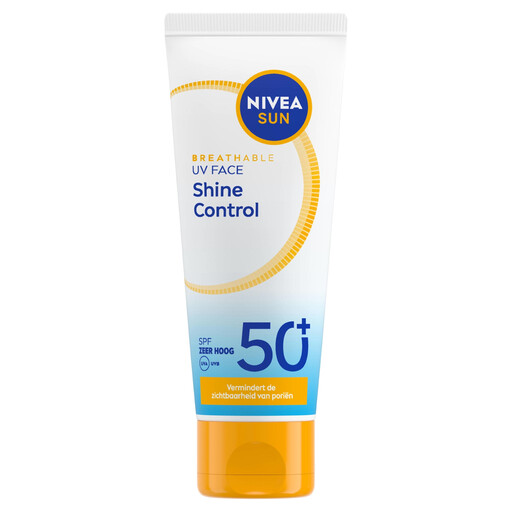
Why it suits this profile: According to the product description, the formula is designed to provide a mattifying finish and control oil, making it suitable for oily or combination skin.
The dry-touch and non-greasy properties are clearly described. If your skin is sensitive to fragrance or alcohol, it is worth checking the ingredients list first.
SPF50+, 40 ml size, silica and tapioca starch listed in the formula description, plus a mattifying finish.
We have put together a complete, up-to-date list of products that fully meet these strict selection criteria and the applicable European safety requirements.
Yes, SPF 50 can be used every day when your face is exposed to daylight. Ideally, choose a formula that feels comfortable enough to apply generously. Reapply after spending extended periods outdoors, sweating, swimming or towel-drying.
Apply an even, generous layer to your face and neck. A commonly used practical guideline is around two finger lengths for the face and neck together, but the exact amount depends on the product and the size of the area being protected. Using too little product reduces the expected level of protection.
Yes, but the texture makes a difference. Choose a lightweight, fast-absorbing formula and allow your skincare and sunscreen a short time to set before applying make-up. Products described as “no white cast”, “non-sticky” or “suitable under make-up” may be practical choices, but always check how the formula reacts with your skin first.
Follow the period-after-opening symbol and expiry date on the packaging. Store the product somewhere cool and dry, away from direct sunlight. If the smell, colour or texture changes, stop using it. An opened product that has been left in a warm bag or car for an extended period may deteriorate more quickly.
