
Vandaag of morgen in huis

Kwaliteit gegarandeerd

Welkomstaanbiedingen ontgrendelen: GRATIS bezorging | Tot 80% korting | Gratis 30 dagen JoyPlus-proefperiode
Download de app
A good SPF 50 facial sunscreen needs more than a high protection factor. The texture, UVA protection, ingredients and water resistance all determine whether you will enjoy using the product every morning. A cream that feels sticky, pills under make-up or leaves a visible white cast often ends up unused in the bathroom.
As a Joybuy Product Recommendation Officer, I filter product information based on practical features. Below, you can read what to look for, which marketing claims to consider critically and which options suit different skin types and situations.
SPF mainly indicates protection against UVB rays, which can cause redness and sunburn. UVA protection is also important for everyday protection. UVA rays penetrate deeper and are present all year round, including on cloudy days and behind glass.
So check whether the packaging mentions a UVA designation alongside SPF 50 or SPF 50+, such as PA++++ or the European UVA symbol. A high SPF without clear information about UVA does not give you the full picture of the protection offered.
Water resistance does not mean that you never need to reapply sunscreen. Swimming, sweating, drying yourself and friction all reduce the layer applied. Shiseido Anessa’s product information, for example, advises reapplying after swimming or perspiring. Anua, on the other hand, explicitly states that its formula is not water-resistant.
This difference matters when cycling, walking or spending a day at the beach in the Netherlands. Choose a water-resistant formula for active situations, but always plan to reapply after contact with water or a towel.
Words such as “for sensitive skin”, “soothing” or “reef protection” are not a personal guarantee. Check the full ingredients list and look out for fragrance, alcohol denat., essential oils and known allergens if your skin is sensitive to them. Test a new product on a small area of skin first. Stop using it if irritation occurs and consult a doctor or dermatologist if symptoms persist.
SPF 50 is a practical choice for adults who want to protect their face every day, particularly if they spend a lot of time outdoors or their skin reddens easily. Apply sunscreen as the final step of your morning routine, before make-up. Use enough product for your face and neck; applying too thin a layer reduces the actual level of protection.
Ideally, apply the product 15 to 30 minutes before exposure, depending on the usage instructions. When outdoors, reapplying every two hours is generally recommended, and sooner after swimming, sweating or drying yourself.
The right finish depends on your skin type and routine:
Ingredients such as niacinamide, rice extract, centella, aloe vera and vitamin E appear in a range of formulas. They may indicate the product’s skincare positioning, but they do not turn sunscreen into a medical product.
Claims about anti-ageing, pigmentation or reducing oxidative stress are brand claims. According to NIVEA’s own research, certain results are linked to LUMINOUS630, Q10 or in-vitro tests. Treat this information as supplementary product communication, not as a guaranteed personal result.
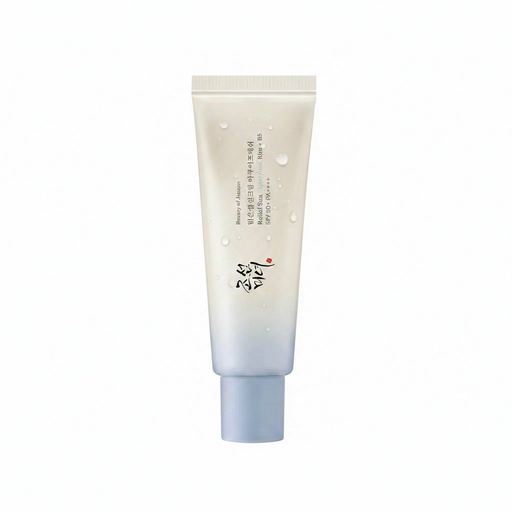
Why it suits this profile: The lightweight, lotion-like texture is designed for everyday use and, according to the product information, can be worn under make-up.
The product description mentions SPF 50+ PA++++, quick absorption and no white cast or greasy residue.
50 ml, SPF 50+ PA++++, fragrance-free according to the product details, and suitable for all skin types.

Why it suits this profile: The milk texture and compact size are ideal if you are looking for a lightweight formula and a product to take with you.
The product details mention SPF 50+, a lightweight texture and water resistance. Reapplication is still necessary.
SPF 50+, water-resistant positioning and 12 ml for your handbag or travels.
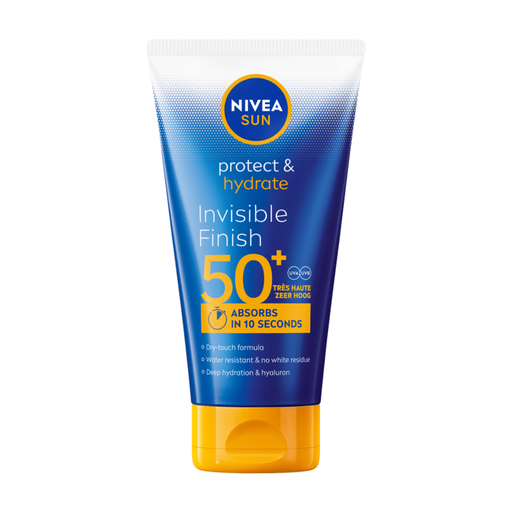
Why it suits this profile: The 150 ml pack size and water-resistant formula are practical for frequent use and longer days outdoors.
The product information mentions a dry-touch finish, quick absorption and no white residue; however, check that the fragrance suits your skin.
SPF 50+, UVA/UVB protection, water resistance and a 150 ml size.
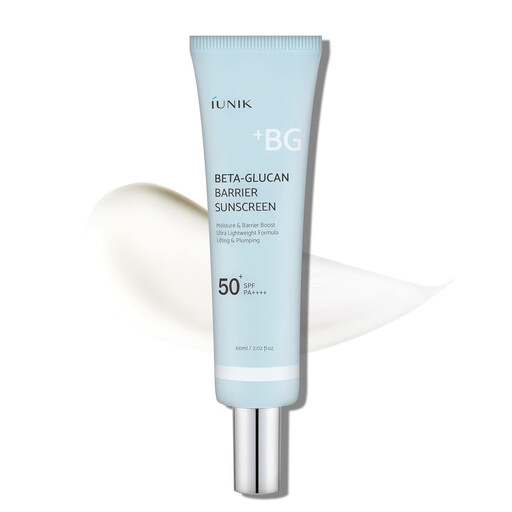
Why it suits this profile: The product name and description focus on beta-glucan, moisture and a matte finish for dry, oily and sensitive skin.
The product description mentions SPF 50+ PA++++, a matte finish and no white cast. Check the current ingredients list if you have sensitive skin.
SPF 50+ PA++++, vegan positioning according to the product name and suitability for everyday use.
We have put together a complete, up-to-date list of products that fully meet these strict selection criteria and the applicable European safety regulations.
Yes, SPF 50 can be used every day. Choose a texture that suits your skin so that you apply enough product and can keep using it consistently. As well as SPF, pay attention to UVA designations, ingredients and finish.
When exposed to the outdoors, every two hours is a common guideline. Reapply sooner after swimming, exercising, sweating or drying yourself. Indoors, behind glass, the need depends on the amount of direct sunlight and how long you are exposed.
Look for terms such as mattifying, dry-touch, oil control or silica in the product information. NIVEA SUN UV Face Shine Control and Vitamin E Vitalizing Sunscreen mention features designed to provide a less shiny finish. The final feel varies depending on your skin type and the amount of product applied.
