
Vandaag of morgen in huis

Kwaliteit gegarandeerd

Welkomstaanbiedingen ontgrendelen: GRATIS bezorging | Tot 80% korting | Gratis 30 dagen JoyPlus-proefperiode
Download de app
Daily sun protection for your face does not have to feel heavy, sticky or visibly white. Yet many consumers choose an SPF 50 facial sunscreen mainly based on eye-catching packaging or claims such as “anti-ageing”. As a result, the sun cream may feel uncomfortable under make-up, be too drying for sensitive skin or be unsuitable for swimming.
As a Joybuy Product Recommendation Officer, I filter the most important product information down to practical points. This helps you quickly see which facial sun cream suits your skin type, routine and intended use.
SPF 50 indicates protection mainly against UVB radiation under standardised conditions. It does not mean that applying the cream once will keep you protected for the rest of the day. Rubbing, perspiration, swimming and drying yourself reduce the amount applied.
Apply your sun cream generously as the final step in your morning routine. During prolonged exposure, reapplication is important – generally after around two hours and after swimming or sweating.
A lightweight sun cream can feel comfortable on oily or combination skin, but dry skin may need more moisturising ingredients. As well as the texture, look for ingredients such as glycerine, hyaluronic acid, panthenol or rice extract.
Do you have sensitive skin? Check whether the formula contains fragrance, essential oils or high levels of denatured alcohol. “Soothing” on the packaging is no guarantee that everyone will tolerate the product. Test a new sunscreen for sensitive skin on a small area first.
A mineral sunscreen containing zinc oxide can leave a visible white cast, particularly on darker skin or when applied generously. Some products state that the white cast is limited, but the result depends on your skin tone, the amount used and how evenly it is spread.
“Suitable under make-up” is not a universal guarantee either. Allow the cream to absorb properly first and avoid applying too many layers that may quickly pill as part of your morning routine.
For everyday use, choose a product with SPF 50 or SPF 50+ if you are looking for strong protection. Also check that the packaging clearly indicates UVA protection. European products, for example, use the UVA logo inside a circle. With Korean sunscreens, you will often see PA++++. This is a Korean indication of UVA protection and appears alongside the SPF rating.
A product with chemical UV filters uses substances that absorb UV radiation. Mineral filters such as zinc oxide create a physical UV filter. A hybrid formula combines both types. None of these categories is automatically suitable for every skin type.
For oily or combination skin, a non-greasy sunscreen with a lightweight or matte finish may feel more comfortable. Dry skin often benefits more from a creamy, moisturising formula. If you wear sunscreen under make-up, look for:
Not every facial sunscreen is water-resistant. Anua’s product information, for example, explicitly states that the formula is not water-resistant. This makes it a more logical option for everyday commuting than for swimming.
For beach days, exercise and holidays, a product with a clear water-resistance statement is more practical. Even then, reapplication is still necessary after swimming, drying yourself or heavy sweating.
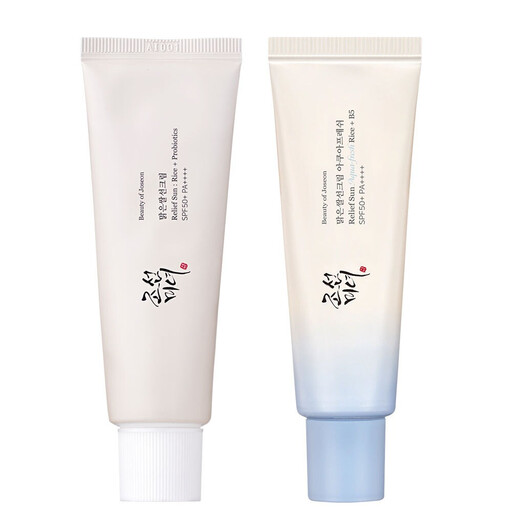
Why it suits this profile: The duo pack is practical for anyone who wants to apply sunscreen every day and keep an extra tube to hand. The product information states SPF 50+ PA+++ and a lightweight, moisturising texture.
The description mentions no white cast and a non-sticky finish. However, always check the current packaging yourself and apply enough product.
Two 50 ml tubes; rice extract and fermented grain extracts are listed as part of the moisturising formula.
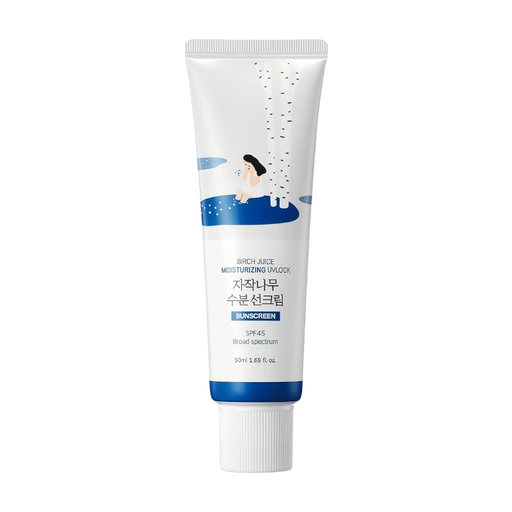
Why it suits this profile: The ingredients list contains several UV filters, niacinamide, glycerine and different forms of hyaluronic acid. This makes it suitable for users who want to combine protection with a more moisturised skin feel.
The formula uses chemical UV filters instead of zinc oxide as the listed mineral filter, which may mean less visible residue for some users.
50 ml; moisturising ingredients such as glycerine and sodium hyaluronate; use as the final step in your skincare routine.

Why it suits this profile: The compact size is handy for travelling, festivals or a beach bag. The product description states SPF 50+ and water resistance.
The stated water resistance makes it a logical choice for active occasions. However, at 12 ml, the size means you will need a new pack sooner with generous daily use.
Water-resistant formula according to the product information; compact size; suitable for the face, neck and other exposed areas.
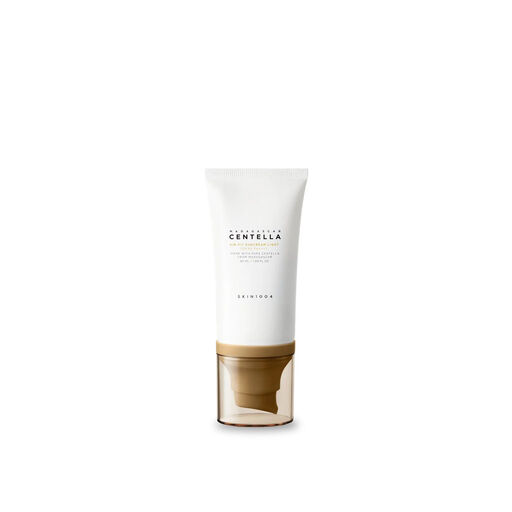
Why it suits this profile: This option uses zinc oxide as a mineral UV filter and is described in the product information as lightweight and non-sticky. Please note: this product has SPF 30 and therefore does not fall into the SPF 50 category.
The product description does not mention a white cast, but zinc oxide may still be visible in practice. Choose this option only if SPF 30 suits your intended use.
Mineral filter with zinc oxide; 50 ml; centella asiatica and niacinamide are included in the ingredients list.
We have compiled a complete, up-to-date list of products that fully meet these strict selection criteria and the applicable European safety regulations.
When choosing anti-ageing sunscreen, pay attention to how the claim is worded. According to a brand’s own research, for example, results may have been established under specific test conditions. Do not treat such claims as a medical promise. Daily UV protection mainly helps to limit exposure to UV radiation.
The shelf life is stated on the packaging, often using a symbol indicating the number of months after opening. Store the tube in a cool place away from direct sunlight. A change in smell, colour or texture is a reason to stop using the product.
Yes, many lightweight formulas are designed for this, but the result varies between products and skin types. Apply the sun cream evenly, allow it to absorb and then apply thin layers of make-up. If pilling occurs, it may help to use fewer skincare products underneath or wait longer between layers.
Korean sunscreen can have a lightweight texture and comfortable finish, but its origin does not automatically determine whether it is suitable. Check the ingredients list, look out for fragrance and alcohol, and carry out a patch test first if you have sensitive skin. Stop using the product if irritation develops.
