
Vandaag of morgen in huis

Kwaliteit gegarandeerd

Welkomstaanbiedingen ontgrendelen: GRATIS bezorging | Tot 80% korting | Gratis 30 dagen JoyPlus-proefperiode
Download de app
Daily protection for your face sounds simple: choose a high-factor product and apply it. Yet many people buy facial sunscreen that feels too greasy, pills under make-up or does not suit their skin type. The product name also does not always tell you enough about texture, UVA protection or reapplication.
With this guide, you can compare SPF 50 facial sunscreens, face creams with SPF and lighter sunscreen fluids based on verifiable product information.
SPF mainly refers to protection against UVB rays, which can cause redness and sunburn. So also check whether the product states that it protects against UVA and UVB rays. UVA rays penetrate deeper and contribute to premature skin ageing and pigmentation.
A label such as SPF 50 or SPF 50+ does not mean you can stay in the sun indefinitely. According to product information from various brands, you should also avoid direct, prolonged exposure and reapply regularly.
A face cream with SPF 15 or SPF 30 can be useful for a short walk or a cloudy morning, but it is not automatically a substitute for SPF 50 facial sunscreen. Especially if you work, cycle or walk outdoors, or are on holiday, choosing a higher protection factor is a sensible option.
Also consider the amount you apply. A thin layer does not provide the same protection as the amount used when the SPF was tested. Apply generously to your face, ears and neck, and reapply after sweating, swimming or drying yourself.
A mattifying facial sunscreen can work well for oily skin, but dry skin may feel tight and uncomfortable. Conversely, a hydrating sunscreen may look too shiny if you are prone to an oily T-zone.
Terms such as “anti-ageing”, “anti-pigment” and “blue-light protection” should also be interpreted with care. A brand’s own research may link these claims to specific results, but such claims are not a guarantee for every user. First look at the SPF, UVA indication, ingredients, texture and usage instructions.
For daily facial protection, SPF 50 or SPF 50+ is suitable if you are looking for a high level of protection. Also check the UVA marking on the packaging. With Korean sunscreen, you may sometimes see a PA rating, such as PA++++. This is an additional indication of UVA protection within the relevant classification system.
A product with SPF 50+ is not automatically water-resistant. For example, the Anua Heartleaf Silky Moisture Suncream states that it is not water-resistant. This may make it suitable for everyday use, but less suitable for swimming or intensive exercise.
Apply sunscreen as the final step in your morning routine, before make-up. Product information for several products recommends applying before exposure and reapplying after swimming, sweating or drying yourself. Going to be active outdoors for a long time? Take a small pack with you for touch-ups.
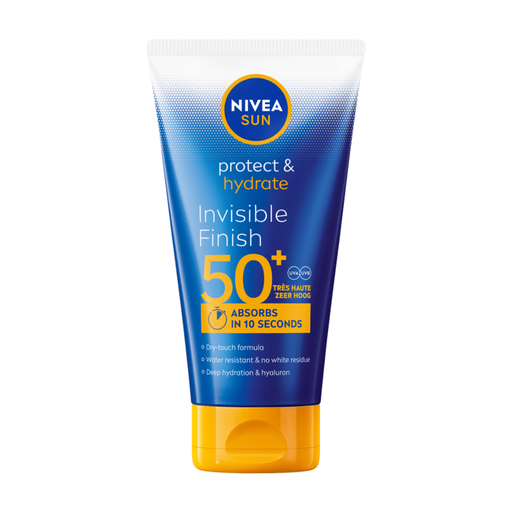
Why it suits this profile: The 150 ml pack is practical for everyday use when you are looking for one product for generous application and regular top-ups.
The product description states SPF 50+, a water-resistant formula and an invisible finish without a white cast. Check the packaging for the latest usage instructions.
SPF 50+, dry-touch formula, stated fast absorption and packaging made with at least 50% recycled plastic according to the product information.
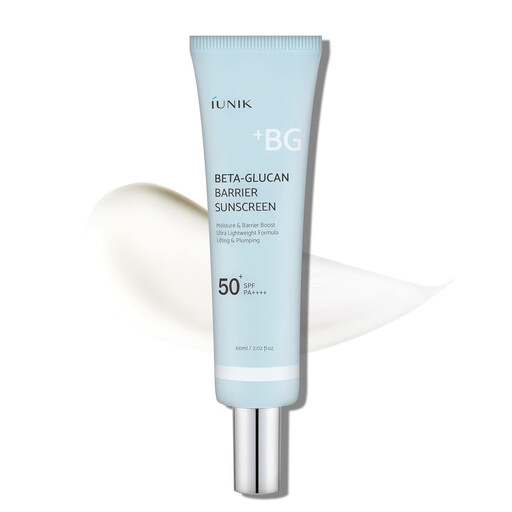
Why it suits this profile: This Korean sunscreen is designed for users who want to combine high protection with a moisturising daily skincare routine.
The product name and description state SPF 50+, PA++++, a matte finish and no white cast. Suitability for dry, oily and sensitive skin is given as product information.
SPF 50+, PA++++, a vegan claim in the product name and a formula that, according to the description, is suitable for use under make-up.
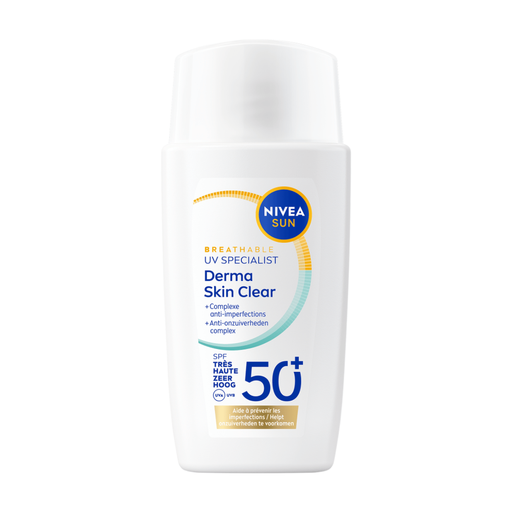
Why it suits this profile: The lightweight fluid is intended for normal, oily and blemish-prone skin, making it suitable for everyday use, exercise or a routine under make-up.
The product description mentions an ultra-light, non-greasy formula, a non-comedogenic claim and a mattifying effect. For sensitive skin, carrying out your own patch test is still advisable.
SPF 50+, UVA/UVB and PA++++ indications, niacinamide in the ingredients list and, according to the product description, a mattifying effect lasting up to 8 hours.
We have put together a complete, up-to-date list of products that fully meet these strict selection criteria and the applicable European safety regulations.
SPF 50 is a practical choice for daily protection if you spend a lot of time outdoors, develop pigmentation quickly or want a high level of protection. On a short, cloudy day, a day cream with a lower SPF may be sufficient, but always check that you are using enough product and reapply during longer exposure.
Yes. Choose a formula that absorbs quickly and does not feel too sticky. Apply your skincare first, followed by sunscreen, and wait briefly before applying make-up. A product that, according to its description, is suitable for layering may be more practical for this.
Follow the expiry date and the period-after-opening information on the packaging. Store sunscreen somewhere cool and out of direct sunlight. Replace the product if its smell, colour or texture changes noticeably. Do not leave a new pack unopened for unnecessarily long before using it, so that the stated protection remains as reliable as possible.
