
Vandaag of morgen in huis

Kwaliteit gegarandeerd

Welkomstaanbiedingen ontgrendelen: GRATIS bezorging | Tot 80% korting | Gratis 30 dagen JoyPlus-proefperiode
Download de app
Buying SPF 50 facial sunscreen for everyday use might seem straightforward, but there are big differences in texture, UVA protection and how it feels on your skin. A product can sound appealing on paper, yet feel too greasy under make-up, sting around your eyes or leave a visible white cast.
As a Joybuy Product Recommendation Officer, I focus on the practical details that matter most. This can help you look beyond marketing claims and choose SPF 50+ facial sunscreen that you’ll actually want to use every day.
SPF mainly refers to protection against UVB rays, which can cause redness and sunburn. UVA protection is also important for everyday use. UVA rays penetrate more deeply and play a part in premature skin ageing and changes in pigmentation.
So check whether the packaging or product description mentions UVA/UVB protection, a European UVA logo or, for example, PA++++. PA is a rating used mainly in Asian skincare. Its exact meaning and test method can differ from European ratings, so always compare the full product specifications.
Sunscreen with no white cast can be a good choice for darker or tanned skin, but a shiny formula won’t feel comfortable for everyone. A hydrating cream may feel heavy on oily or combination skin. A matte facial sunscreen may be a better fit, while dry skin may benefit from hydrating sunscreen.
If your skin reacts easily, check the ingredients list for alcohol, fragrance and essential oils. “Suitable for sensitive skin” is no guarantee that a product will work for everyone. If you’re unsure, test a small amount on a limited area of skin first.
Ingredients such as niacinamide, centella, rice extract, panthenol or vitamin E can have an additional role in your skincare routine. However, they don’t automatically make a product suitable for every skin type or guarantee a particular result.
Brands may say, based on their own research or product information, that certain formulas can help create a more even-looking complexion or a mattifying effect. Focus on the details you can check: UV filters, SPF, UVA rating, ingredients, volume and directions for use.
For your face, it’s best to choose a product with SPF 50 or SPF 50+ and an explicit mention of UVA and UVB protection. This matters in the Netherlands, even on cloudy days and during everyday bike rides or walks. Apply generously to your face, ears and neck. A layer that’s too thin will offer less protection than the value stated on the packaging.
Texture can make all the difference to whether you keep using your sunscreen regularly:
A 40 or 50 ml product is mainly intended for your face, so it may not be as good value if you also use it on your neck and arms. Check the volume and work out the price per millilitre.
For the beach, sport or warm weather, water resistance is a useful product specification. It doesn’t mean you can leave the cream on indefinitely. Reapply after swimming, sweating or drying yourself. You’ll also need to top it up during prolonged exposure, as advised in the product information for several of the formulas listed.
Apply sunscreen as the last step in your morning routine. If you’re trying a new product, wait a little before applying make-up and watch out for pilling or flaking when using several layers of skincare.
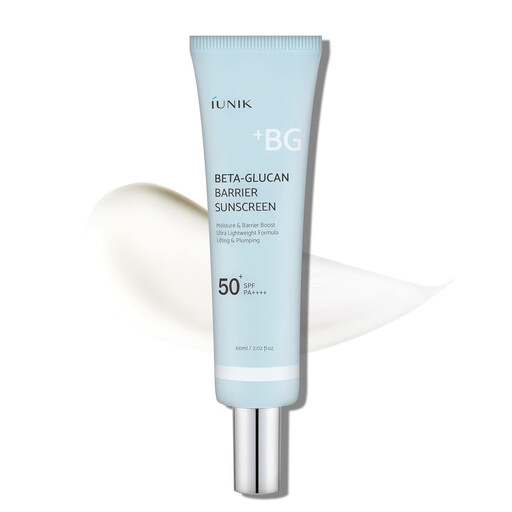
Why it suits this profile: This formula combines SPF 50+, PA++++ and a moisture-focused texture for everyday use. According to the product description, it’s designed for dry, oily and sensitive skin.
The specifications mention both UVA and UVB protection, as well as a formula with no white cast, so you don’t have to rely on the SPF alone.
SPF 50+, PA++++, vegan according to the product name, and designed to help retain moisture.
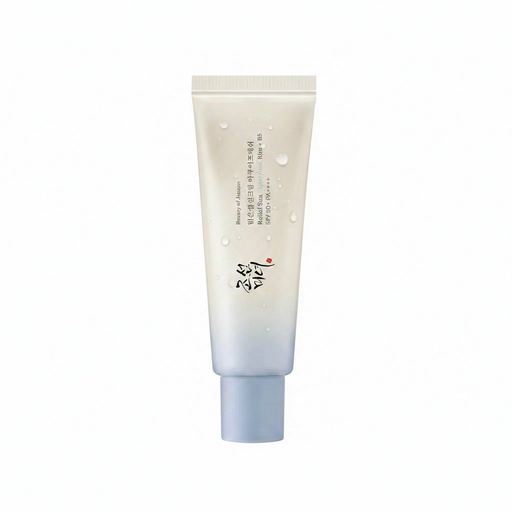
Why it suits this profile: According to the product information, this Korean sunscreen is lightweight, fragrance-free and suitable for everyday use under make-up.
The product description says it leaves no white cast or greasy residue. Do check that the SPF 50+ and UVA rating match the packaging.
A water-rich texture, rice extract and panthenol according to the product information; 50 ml capacity.
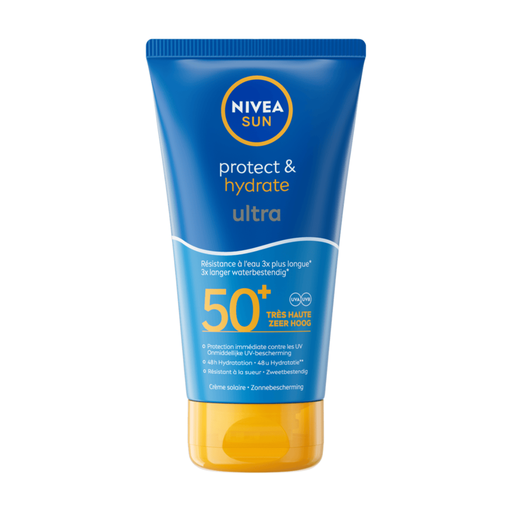
Why it suits this profile: The 150 ml bottle and, according to the product description, highly water-resistant formula make it a good fit for outdoor activities, travel and frequent use.
The product information mentions UVA/UVB protection, no white residue and water resistance. You’ll still need to reapply after swimming or drying yourself.
150 ml, vitamin E in the ingredients list and, according to the description, hydration for up to 48 hours.
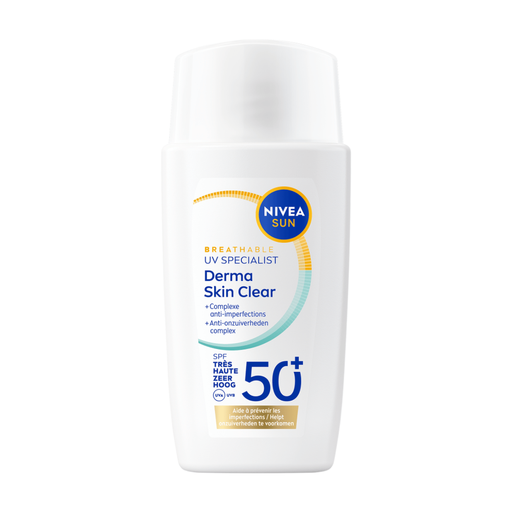
Why it suits this profile: According to the product description, this is a lightweight, non-greasy fluid with niacinamide and a matte finish, designed for normal, oily and blemish-prone skin.
The formula is designed to absorb quickly and leave a less shiny finish, helping you avoid choosing a face cream that feels too rich.
SPF 50+, PA++++ according to the product information, 40 ml and a stated 8-hour matte finish.
We’ve put together a complete, up-to-date list of products that meet these strict selection criteria and comply with current European safety regulations.
Use enough to cover your face, ears and neck evenly. A commonly used rule of thumb is around two finger lengths for your face and neck together. If it feels more comfortable, you can apply the product in two layers.
Yes. Choose a formula that absorbs quickly and doesn’t pill when applied. Let your skincare absorb for a little while first, then apply the sun cream evenly. A matte facial sunscreen can help if you want your make-up to look less shiny.
Check the expiry date and the period-after-opening symbol on the packaging. Store the tube somewhere cool and dry, away from direct sunlight. Replace the product if its smell, colour or texture changes noticeably. You’ll also need to reapply after swimming, sweating or prolonged exposure, regardless of its original shelf life.
