
Vandaag of morgen in huis

Kwaliteit gegarandeerd

Welkomstaanbiedingen ontgrendelen: GRATIS bezorging | Tot 80% korting | Gratis 30 dagen JoyPlus-proefperiode
Download de app
SPF 50 facial sunscreen belongs in your daily skincare routine, but choosing the right one isn’t always straightforward. A shiny finish can be awkward under make-up, a mineral formula may leave a white cast, and a long ingredients list alone tells you little about how comfortable a product will feel or whether it will suit your skin.
Marketing claims can also make it difficult to compare products fairly. Focus on information you can verify, such as the SPF rating, UVA indication, volume, ingredients and directions for use.
SPF mainly indicates protection against UVB rays. Check whether the product also states that it protects against UVA. European products often display a UVA symbol inside a circle. Korean sunscreens frequently use PA++++. This rating can be useful when comparing products, but always check the packaging and official product information.
An SPF 50 product won’t automatically protect you all day. The amount you apply and how often you reapply are just as important.
Niacinamide, rice extract, centella asiatica, hyaluronic acid and beta-glucan are often found in hydrating sunscreens. Their presence doesn’t mean every product will feel the same or suit every skin type. The full ingredients list will show, among other things, whether a formula contains fragrance, alcohol, mineral filters or several humectants.
If you have sensitive skin, it’s a good idea to test a small amount first. According to the safety information for the products mentioned, you should stop using them if you experience redness, a burning sensation, itching or swelling.
A mattifying sunscreen can feel comfortable on oily or combination skin, but may leave dry skin feeling tight. Conversely, a creamy or glowy formula may feel comfortable on dry skin but look too shiny during the day.
So consider both the finish and when you’ll use it: at home, in the office, while cycling in the Netherlands or during extended outdoor activities.
Many people choose SPF 50 sunscreen for daily facial protection. Also check for:
Facial sunscreen isn’t a one-off step. If you’re outdoors, reapplying regularly is part of using it properly.
Mineral filters such as zinc oxide and titanium dioxide can leave a white cast, particularly at higher concentrations or on darker skin tones. How visible it is varies between products. Haruharu Wonder Black Rice Pure Mineral Sunscreen, for example, states that zinc oxide may leave a slight white cast on first application and should be blended in carefully.
Chemical filters can often feel more transparent on the skin. According to the stated INCI lists, BIRCH Juice Moisturizing Sunscreen and Beauty of Joseon Relief Sun contain several chemical UV filters. This tells you something about the formula, but doesn’t automatically indicate how well you’ll tolerate it.
Look out for terms such as:
“Korean sunscreen” mainly refers to where it comes from or the skincare tradition it’s part of, not to one particular texture. This category includes both mineral and chemical formulas.

Why it suits this profile: The product information states SPF50+ PA+++, a lightweight cream formula and a fragrance-free version. That makes it a practical starting point if you’re looking for daily sun protection without a complicated routine.
The product description highlights a lightweight texture with no white cast or sticky feel. Check the latest packaging, and if you have sensitive skin, test it on a small area first.
50 ml, SPF50+ PA+++, fragrance-free according to the product details, and a formula with rice extract and ferments.
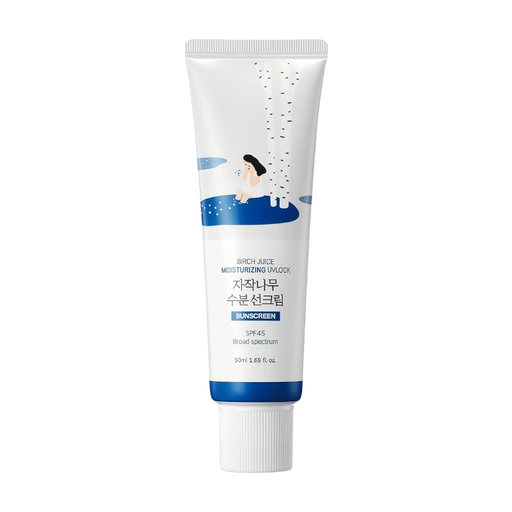
Why it suits this profile: This formula combines several UV filters with glycerin, sodium hyaluronate and hydrolysed hyaluronic acid. It’s a good fit if you want sun protection and a comfortable skin feel in one step.
The ingredients list can be checked to see which UV filters and humectants are used, rather than relying on a general promise of hydration.
50 ml, several chemical UV filters, glycerin, hyaluronic acid and niacinamide according to the stated INCI list.
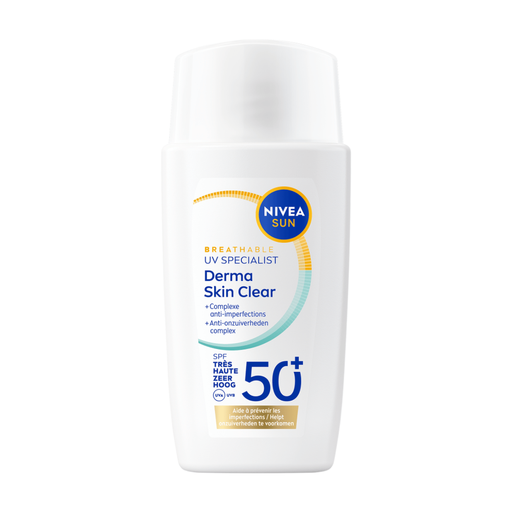
Why it suits this profile: The product description is aimed at normal, oily and blemish-prone skin, and describes an ultra-light fluid texture with a mattifying effect. This can be practical for cyclists, commuters or anyone who reapplies sunscreen often.
The brand describes it as a non-greasy, non-comedogenic formula with a mattifying effect. These are claims made by the brand, not a guarantee for every skin type. Check the ingredients if you want to avoid fragrance or alcohol.
40 ml, SPF50+, niacinamide in the ingredients list and a fluid texture according to the product description.
We’ve put together a complete, up-to-date list of products that meet these strict selection criteria and the applicable European safety regulations.
Apply facial sunscreen as the last step in your morning routine, after serum and moisturiser. Apply it to your neck and ears too if they’re uncovered. Ideally, wait a little before applying make-up to give the formula time to set evenly.
Reapplying is important during outdoor activities in the Netherlands, such as walking, cycling or boating. Reapply after sweating, swimming or towel-drying, and always follow the instructions on the packaging. Store the tube or bottle somewhere cool and out of direct sunlight.
SPF 50 is a popular choice if you want a high level of daily UVB protection. The right option also depends on how much sun you’re exposed to, how much you apply and how often you reapply. Check the UVA indication too.
Apply enough product to cover your face and neck evenly. Some brands use “around two finger lengths” as a practical guideline. Applying too thin a layer may give you less protection than the SPF stated on the packaging.
Sometimes, but facial sunscreens are often developed with texture, fragrance, make-up and a glowy or matt finish in mind. If your skin is sensitive or prone to acne, it’s a good idea to check the ingredients and consider how the product feels specifically on your face.
