
Vandaag of morgen in huis

Kwaliteit gegarandeerd

Welkomstaanbiedingen ontgrendelen: GRATIS bezorging | Tot 80% korting | Gratis 30 dagen JoyPlus-proefperiode
Download de app
An SPF 50 facial sunscreen is part of many people’s morning routine, but choosing one isn’t always straightforward. One formula may leave a white cast, while another feels too greasy under make-up. Claims such as “anti-pigmentation”, “waterproof” and “suitable for sensitive skin” can also distract from the specifications that really matter.
As a Joybuy Product Recommendation Officer, I filter the key product information in a practical way. This helps you see which features matter for your skin type and daily routine.
SPF mainly indicates protection against UVB rays, which can cause redness and sunburn. UVA protection is important for everyday use too. UVA rays penetrate deeper into the skin and contribute to premature skin ageing and pigmentation.
So don’t just look for SPF 50+ sunscreen; check the UVA rating too. Korean and Japanese products often use the PA rating. PA++++ is the highest UVA protection category on this scale. Always check the packaging and official product information as well.
A product may offer a high level of protection on paper, but feel less pleasant if it’s sticky or pills under make-up. As a result, people sometimes apply too little or skip reapplication.
Look for a texture that suits your routine:
Claims such as “anti-ageing”, “anti-pigmentation” or “prevents spots” should be read carefully. A brand’s own research may suggest that certain ingredients or usage tests support particular effects, but that’s no guarantee for every user. A product description is not personalised skincare advice.
Start by checking verifiable information: SPF, PA rating, size, ingredients, fragrance, alcohol, water resistance and directions for use.
SPF 50+ is a practical choice for everyday use in the Netherlands, particularly if you’ll be outdoors for a long time, exercising or travelling. Apply enough product to cover your face and neck. A thin layer offers less protection than the packaging figure might suggest.
If you’re spending a lot of time outdoors, it’s important to reapply regularly, especially after swimming, sweating or drying yourself. A high SPF doesn’t mean you can skip reapplication.
If you’re specifically looking for PA++++ sunscreen, there are various Korean, Japanese and European formulas to choose from. Bear in mind that PA ratings and European UVA markings are not directly equivalent systems. Compare the full packaging and product information.
Sunscreens use chemical, mineral or hybrid UV filters. The choice of filters affects not only the level of protection, but can also influence the texture, shine and likelihood of a white cast.
If you’re looking for sunscreen for sensitive skin, it may be helpful to avoid fragrance and ingredients you know can irritate your skin, but sensitivity varies from person to person. Test a new product on a small area of skin first.
For dry skin, look for glycerine, panthenol, hyaluronic acid, ceramides or other hydrating ingredients. For oily or blemish-prone skin, a lightweight fluid, silica or a mattifying finish is often more practical. Claims such as “non-comedogenic” or “helps prevent blemishes” come from the brand’s product information; check the full ingredients list if you’re unsure.
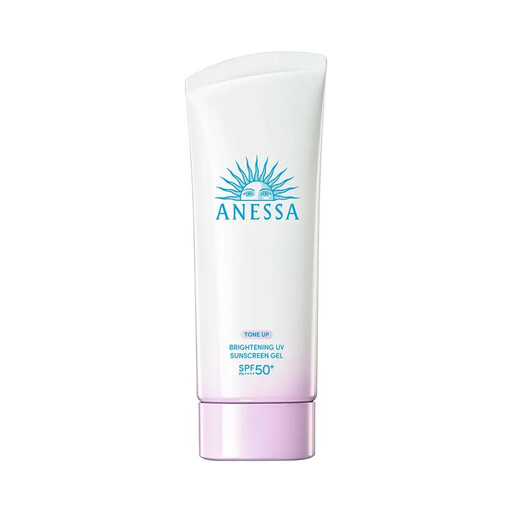
Why it suits this profile: This gel is a good option if you’re looking for a larger size and PA++++, for example for everyday use with make-up or spending longer periods outdoors.
The product information states that it is water-, sweat- and rub-resistant. Check the packaging for precise usage limitations, and reapply after swimming or drying yourself.
SPF50+, PA++++, 90g size and a gel texture that, according to the product information, can be used as a make-up base.
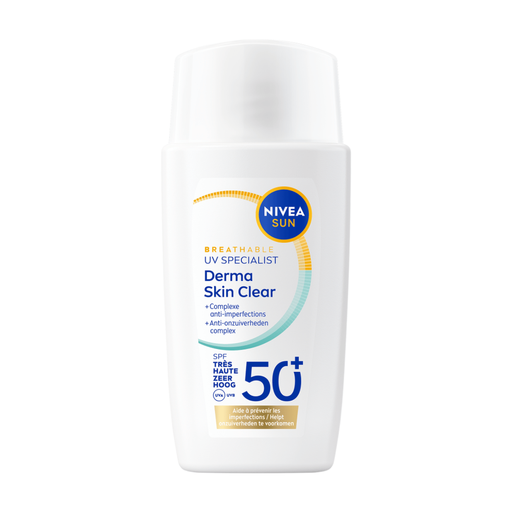
Why it suits this profile: This fluid is designed for normal, oily and blemish-prone skin. That makes it practical for commuting, everyday use and situations when you want a matte finish.
The product description calls it a non-greasy fluid with a mattifying effect, suitable for wearing under make-up. According to NIVEA’s own research, the matte effect lasts for up to 8 hours; this may vary depending on your skin type.
SPF50+, PA++++ according to the product details, niacinamide, an ultra-light fluid texture and 40ml size.
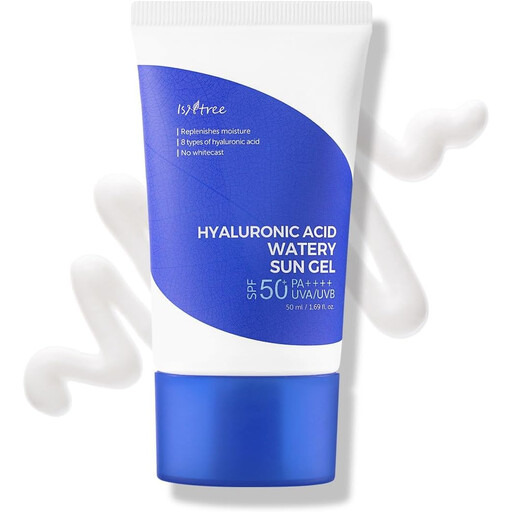
Why it suits this profile: This watery gel is designed to provide daily hydration alongside UV protection. According to the product description, the formula contains eight types of hyaluronic acid and sits well under make-up.
According to the product information, the lightweight gel texture is non-greasy and leaves an invisible finish. If your skin tends to look shiny, try it on a small area first to see how the finish looks.
SPF50+, PA++++, eight types of hyaluronic acid according to the product information and a lightweight gel texture.
Apply sunscreen as the final step in your morning skincare routine, before make-up. Spread it evenly over your face, ears and neck. Give the formula a little time to set before applying foundation or concealer.
Reapply when you’re outdoors, sweating or after drying yourself. Reapplying over make-up can be tricky; try doing it before touching up your make-up, or use a suitable additional method that provides even coverage.
SPF 50+ can be a practical choice for everyday exposure to daylight, particularly if you have fair skin, spend a lot of time outdoors or use products that make your skin more sensitive to sunlight. The level of protection you need depends on the conditions and your individual skin.
Apply enough to cover your face and neck evenly. A commonly used practical guide is about two finger-lengths of product for your face and neck combined, but check the directions on the packaging too. Reapply after swimming, sweating or drying yourself.
Yes, sunscreen is generally applied as the final step in your skincare routine. If you have dry skin, you can apply moisturiser first. If you have oily skin, choose a lightweight hydrating sunscreen to help avoid a heavy or shiny feel.
We’ve put together a complete, up-to-date list of products that meet these strict selection criteria and comply with current European safety regulations.
