
Vandaag of morgen in huis

Kwaliteit gegarandeerd

Welkomstaanbiedingen ontgrendelen: GRATIS bezorging | Tot 80% korting | Gratis 30 dagen JoyPlus-proefperiode
Download de app
A facial sunscreen with SPF 50 has become part of the daily routine for many adults in the UK. Yet the choice can be tricky. A cream that looks good on paper can pill under make-up, leave a shiny finish, or disappear faster than expected after swimming or sweating.
As a Joybuy Product Recommendation Officer, I filter product information based on practical points: the protection factor, the texture, how well it matches your skin, and the usage instructions. Below, you'll find out what to look for and which popular choices suit different situations.
SPF mainly refers to protection against UVB radiation – the type that causes redness and burning. For daily use, UVA protection is also important. UVA penetrates deeper and is present even when it's cloudy outside.
So check whether the packaging mentions UVA and UVB protection. The European UVA symbol inside a circle is a practical indicator. Products from Asia sometimes also use PA++++. This is a separate mark for UVA protection and should not be directly equated with the European UVA symbol.
A sun fluid for the face often feels more pleasant than a rich cream. That makes it easier to use every day, but a thin layer doesn't automatically mean sufficient protection. The product's protection only applies when you apply the recommended amount.
Apply the product to clean skin as the last step of your morning routine. For the face and neck, an amount roughly the size of two finger lengths is often recommended; always check the instructions on the packaging. Apply facial sunscreen well before sun exposure and spread it evenly.
A water-resistant sunscreen is designed to stay on better during activities like swimming or sweating. That doesn't mean you don't need to reapply. Water, towels, friction and sweat all reduce the layer.
Reapply after swimming, towel-drying or intense exercise. Even when you're outside for a long time without getting wet, regular top-ups are necessary. Also, avoid prolonged sun exposure, especially around the middle of the day.
SPF 50 or SPF 50+ suits people looking for high protection for daily use and sunny days. Also look for:
A high SPF does not make prolonged sunbathing completely safe. Sunscreen is just one part of sun protection, alongside clothing, a hat and shade.
A dry or normal skin type may enjoy a nourishing cream. An oily or combination skin type often looks for a non-greasy sunscreen, a matte finish or a facial sun fluid that absorbs quickly. If you wear make-up, look for terms like "suitable under make-up", "invisible finish" or "non-sticky". These are product descriptions; the actual feel varies depending on your skin and combination with other skincare products.
If you have sensitive skin, check the ingredients list for fragrance, alcohol denat. and other components that have caused irritation before. "Dermatologically tested" describes a test or assessment of the product, but doesn't guarantee that every skin type will tolerate it well.
Test a new sunscreen for sensitive skin on a small area first. Stop if irritation occurs and avoid contact with the eyes. A mineral formula, such as a product with zinc oxide, could be an option if you're specifically looking for that. Chemical filters are generally designed to feel light and thin. The choice depends on personal preference and how your skin reacts.
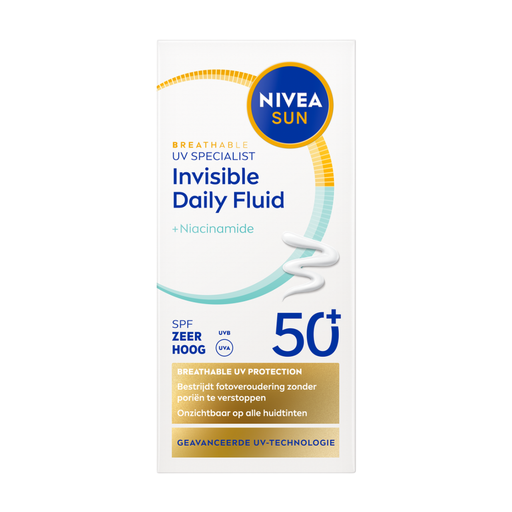
Why This Fits Their Persona: The 40 ml bottle is designed for daily use and under make-up. According to the product description, the fluid has a light, non-greasy texture and a matte finish.
The product information mentions quick absorption and no white residue. Shaking before use helps distribute the formula evenly.
SPF 50+, UVA/UVB protection according to the product listing, 40 ml and suitable under make-up.
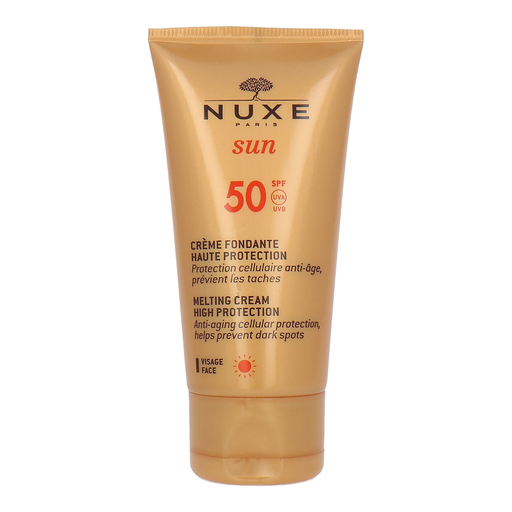
Why This Fits Their Persona: According to the product details, this cream is intended for all skin types and has a soft cream consistency. That suits someone who prefers a richer feel over an ultra-light fluid.
The instructions emphasise applying generously and reapplying after swimming or towel-drying. This ensures the routine doesn't stop at one thin layer.
50 ml, SPF 50+ and product listing of UVA/UVB protection; the formula is a cream for the face.

Why This Fits Their Persona: According to the product description, this 12 ml milk has a light texture and is water resistant. The small size is handy for a bag or a short trip.
Water resistant doesn't mean maintenance-free. The usage instructions mention reapplying after swimming or sweating.
SPF 50+, light milk texture, water resistant according to the product information and compact 12 ml size.
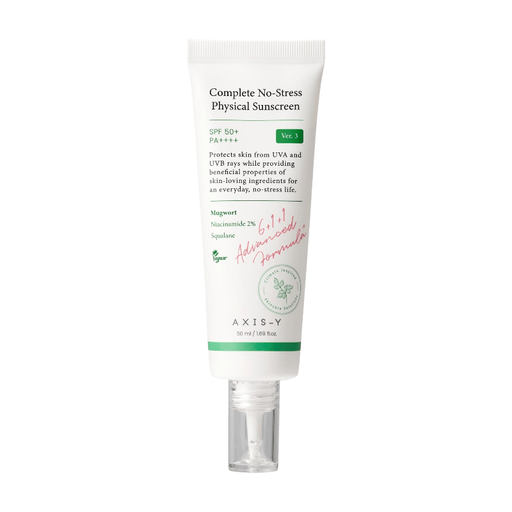
Why This Fits Their Persona: The product details mention zinc oxide as a non-nano physical UV filter and a fragrance-free formula. That can suit users who want to keep their ingredients minimal.
The instructions mention roughly two finger lengths for the face and neck. This helps prevent a physical sunscreen from being applied too sparingly.
50 ml, zinc oxide as the stated UV filter, fragrance-free according to the product information and SPF protection.
Browse a current selection of facial sunscreens and compare formulas, textures, sizes and usage scenarios before you choose.
Reapply after swimming, sweating or towel-drying. During prolonged time outdoors, regular top-ups are necessary, even if you haven't been in the water. Always follow the instructions on the label.
Sometimes you can, but a facial sunscreen is often developed with a thinner texture and a different finish. A body cream can feel greasy on some people, sting around the eyes or be less comfortable under make-up. So check the stated use and skin compatibility.
Check the expiry date and the jar-open symbol on the packaging. Store the product in a cool place away from direct sunlight. A change in smell, colour or texture could be a reason not to use the product any more. Shelf life also only applies when you store the sunscreen correctly.
