
当日/次日达

品质保障

开启新人专享福利: 全场免邮 | 低至 2 折 | 免费试用 30 天 JoyPlus 会员
下载 Joybuy
A facial sunscreen with SPF 50 needs to offer more than a high protection factor. Its texture, ingredients, packaging and application experience all determine whether you will continue using it every day. A facial sunscreen that feels too greasy, stings around the eyes or performs poorly under makeup often ends up unused in the bathroom.
This guide helps you choose a facial sunscreen based on verifiable product information. You will find options for dry, oily, combination and sensitive skin, along with several lightweight Korean sunscreens for everyday use.
SPF primarily indicates protection against UVB radiation. Also check whether the packaging mentions UVA protection or broad-spectrum protection against UVA and UVB. UVA radiation is associated, among other things, with premature skin ageing and pigmentation changes, but cosmetic products may not make claims about medical effects.
A product with SPF 30 may be suitable for everyday use, while SPF 50 or SPF 50+ is often the more logical choice for many consumers during extended outdoor activities, for fair skin or with high sun exposure.
Ingredients such as hyaluronic acid, glycerine, centella asiatica and panthenol may appear on the ingredients list and support a hydrating formula. That does not automatically mean you can skip your day cream. A lightweight sunscreen serum may feel comfortable enough for oily skin, while dry skin may benefit from a separate moisturiser.
Read hydration and anti-ageing claims as brand-provided product information. For some products, for example, NIVEA reports results from its own tests or studies; these results will not necessarily be the same for everyone.
A lightweight sunscreen that leaves no white cast is often appealing for medium to deep skin tones and for use under makeup. However, alcohol, fragrance or certain filters may feel less comfortable on sensitive skin. Always review the current ingredients list and patch-test a new product on a small area of skin first.
The SPF value is a standardised indication of UVB protection under test conditions. It is not permission to stay in the sun for longer. Apply enough product to your face and neck, and reapply after sweating, swimming, towelling or prolonged exposure.
Also consider:
For dry or mature skin, look for glycerine, hyaluronic acid, sodium hyaluronate and nourishing emollients. A hyaluronic acid sunscreen is positioned as hydrating, but the experience varies from one skin type to another.
For oily or combination skin, a gel texture, serum-like formula or matte finish may feel more comfortable. Centella sunscreens often contain centella asiatica extract; in SKIN1004 products, for example, this ingredient appears alongside several forms of hyaluronic acid.
For sensitive skin, fragrance-free formulas are an appealing option, but “sensitive” is not a guarantee that every product will be tolerated without issues. Stop using the product if irritation occurs and follow the safety instructions on the packaging.
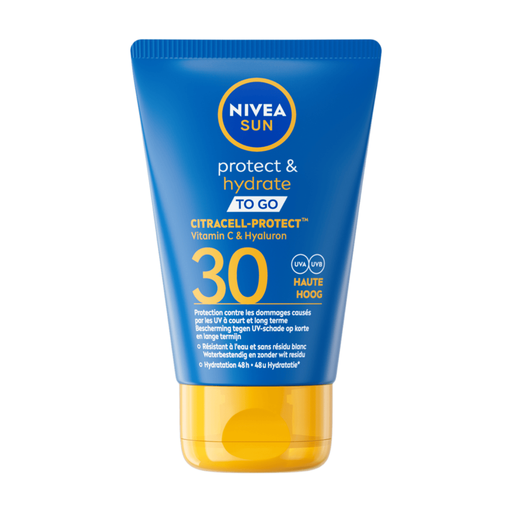
Why it fits: The compact 50 ml format is practical for a handbag, jacket pocket or short trip in the Netherlands. The product description states that it offers UVA/UVB protection and water resistance.
The SPF 30 rating is clearly stated, so you are less likely to accidentally buy a product without a specified protection factor. Check whether SPF 50 is more appropriate for your circumstances.
50 ml, a water-resistant formula according to the product description, and ingredients including glycerine and sodium hyaluronate.
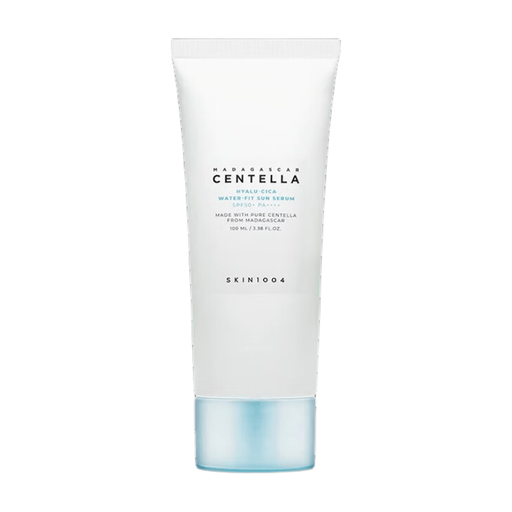
Why it fits: The combination of centella asiatica, sodium hyaluronate and multiple forms of hyaluronic acid is well suited to anyone looking for a lightweight, nourishing Korean sunscreen.
The ingredients list is available, allowing you to compare the formula rather than relying solely on the word “serum”.
100 ml and SPF 50+ according to the product information; contains niacinamide, centella asiatica extract and hyaluronic acid, among other ingredients.
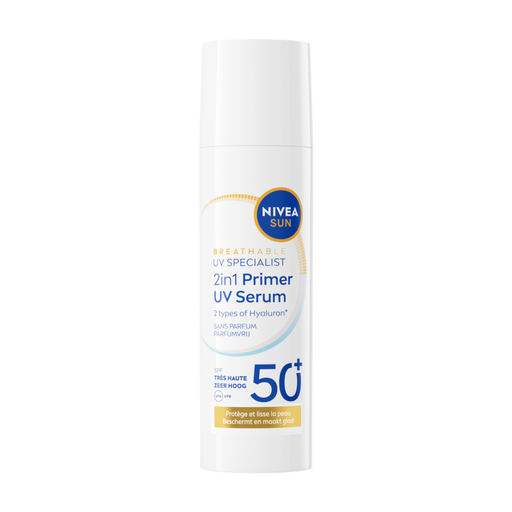
Why it fits: The product description positions this fragrance-free formula as a lightweight makeup base. It comes in a 30 ml format, and the ingredients list contains sodium hyaluronate.
You are choosing based on an explicitly stated fragrance-free formula and SPF 50+, rather than relying solely on a general promise of a smoother makeup finish.
SPF 50+, 30 ml, fragrance-free according to the product description, and designed for daily use under makeup.
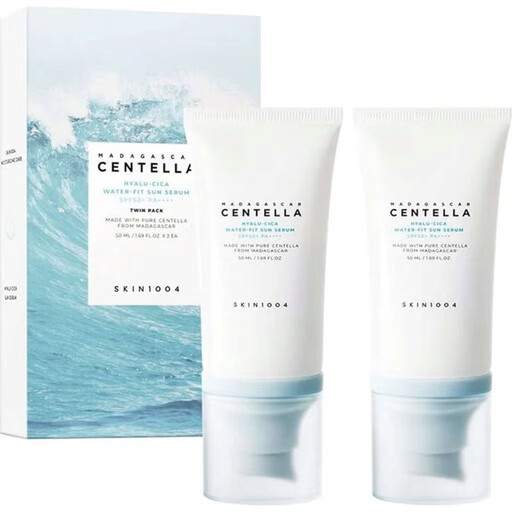
Why it fits: Two 50 ml packs are practical if you apply sunscreen every day and want one product at home and another for on the go.
A twin pack reduces the chance of running out of product. When purchasing, however, check the expiry information and batch details on the packaging.
Browse a current selection of hydrating sunscreens with hyaluronic acid and compare size, SPF, texture and ingredients.
Apply sunscreen as the final step of your morning routine, after serum and moisturiser. Use enough product on your face and neck; applying too thin a layer reduces the protection compared with the value stated on the label. Allow the product to settle briefly before applying makeup.
Reapply regularly during prolonged exposure. After swimming, exercising, sweating or towelling off, reapplication is necessary, even when a product is labelled water-resistant. Avoid direct contact with the eyes and follow the manufacturer’s safety instructions.
Not everyone has the same needs. SPF 30 may be sufficient in some everyday situations, while SPF 50 can be a sensible choice if you spend a lot of time outdoors, have fair skin or are exposed to strong sunlight. Always choose stated UVA and UVB protection as well, and apply enough product.
Yes. Many lightweight gels, serums and primer products are designed for this purpose. Allow the sunscreen to spread evenly and absorb first. When combining it with a new foundation, test whether the products pill. According to the product description, the NIVEA UV Face 2-in-1 Primer Makeup Serum SPF 50+ was developed as a makeup base.
Check the expiry date, PAO symbol and batch information on the packaging. Store sunscreen in a cool place away from direct sunlight. A change in scent, colour or texture is a reason to stop using the product. The shelf life also says nothing about how long the protection lasts after application: regular reapplication, along with protective clothing, a hat and shade, remains important.
