
当日/次日达

品质保障

开启新人专享福利: 全场免邮 | 低至 2 折 | 免费试用 30 天 JoyPlus 会员
下载 Joybuy
A good SPF 50 facial sunscreen should suit your skin type, daily routine and preferred way of applying it. Yet many shoppers focus mainly on the number on the packaging. This can result in a product that stings around the eyes, pills under make-up or feels too greasy after a few hours.
The following pitfalls are common:
For everyday use, many adults look for SPF 50 or SPF 50+. This is a high UVB rating, but the protection only works when you apply enough product. Spread the sunscreen over your face, ears and neck, and follow the directions on the packaging.
For prolonged exposure, the product instructions for many of these formulas recommend reapplying after around two hours and after swimming, sweating or towel-drying. A product that is not water-resistant, such as the Anua formula, requires extra attention during beach days or exercise.
A formula may use:
Mineral sunscreen can leave a slight white cast on some skin tones. Haruharu, for example, states that zinc oxide may initially be visible and needs to be blended in carefully. If you have sensitive skin, also check for fragrance, alcohol and essential oils. “Fragrance-free” does not automatically mean that every skin reaction is ruled out.
The finish you prefer often determines whether you will use a sunscreen consistently:
The selection below is based on the stated SPF rating, ingredients, texture, finish and directions for use. Product experiences may vary depending on your skin and routine.
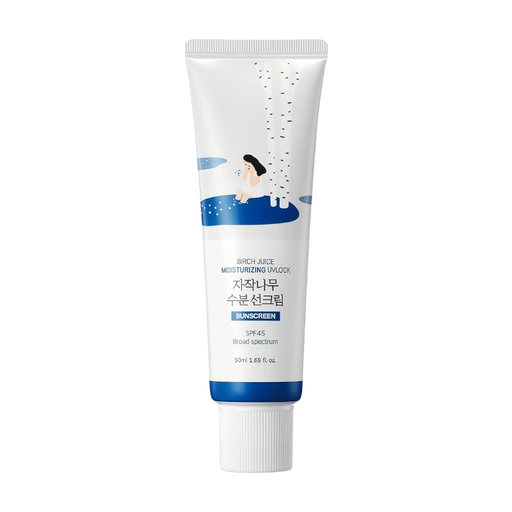
Why it suits this profile: The 50ml packaging and lightweight cream formula are ideal for anyone looking for an everyday Korean sunscreen without a complicated routine.
The product information lists chemical UV filters and provides clear instructions for application and reapplication. This means you do not have to rely solely on general marketing terms.
The product information lists SPF 50, niacinamide, glycerine and several forms of hyaluronic acid. The formula does not contain a mineral zinc oxide filter.

Why it suits this profile: The stated SPF 50+ PA+++ and creamy, hydrating texture appeal to fans of Korean skincare and a comfortable everyday finish.
The product details state that it has a fragrance-free formula and a finish without a white cast or sticky feel. However, always check the current packaging when purchasing.
The ingredients list includes 30% rice extract, glycerine, niacinamide and fermented extracts. The product is intended for the face and contains 50ml.

Why it suits this profile: The compact size is convenient for a handbag, travel or reapplying on the go. The product description also states that it has a water-resistant texture.
The travel size makes reapplication easier. However, bear in mind that 12ml is less suitable as the only pack for everyday use over a longer period.
The product details mention SPF 50+, a lightweight milk texture and water resistance. Reapplication is recommended after swimming or sweating.
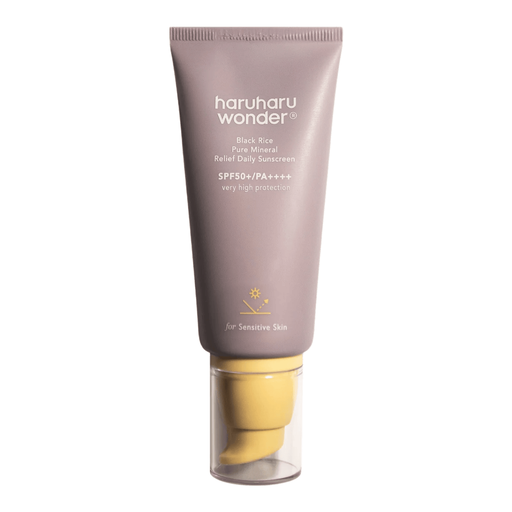
Why it suits this profile: The formula uses zinc oxide as a mineral UV filter and, according to the product information, does not contain oxybenzone or octinoxate.
The product information warns that zinc oxide may initially leave a slight white cast. Blending it in thoroughly helps prevent an unexpected finish, but test it on your own skin tone first.
A mineral filter based on zinc oxide, plus niacinamide, ceramide NP, glycerine and sodium hyaluronate in the ingredients list.
Apply facial sun cream as the final step of your morning routine, after serum and moisturiser. Use enough product for your face and neck; applying too thin a layer reduces the level of practical protection. Allow the formula a moment to set before applying make-up.
If you spend a lot of time outdoors, cycling, walking or sitting on a terrace, reapplication is important. Even a sunscreen with a matte finish or water-resistant formula gradually loses product from the skin through rubbing, perspiration and towel-drying.
When buying, also check:
We have put together a complete, up-to-date list of products that fully meet these strict selection criteria and the applicable European safety regulations.
SPF 30 may be sufficient in some situations, but people who spend a long time outdoors or are looking for particularly high UVB protection often choose SPF 50 or SPF 50+. Also check the UVA rating and apply enough product.
Yes, provided the formula absorbs quickly and does not pill. Apply an even layer first, wait briefly and then apply your make-up. A matte sunscreen often suits oily skin better, while a hydrating formula may feel more comfortable on dry skin.
Look at the symbol on the packaging, such as 12M, as well as the expiry date. Store sunscreen somewhere cool and out of direct sunlight. A change in smell, colour or texture is a reason to stop using the product.
