
当日/次日达

品质保障

开启新人专享福利: 全场免邮 | 低至 2 折 | 免费试用 30 天 JoyPlus 会员
下载 Joybuy
A good SPF 50 facial sunscreen needs to offer more than a high protection rating. Its texture, ingredients, water resistance and application method all determine whether you will continue using it every day. This matters because facial sunscreen only works effectively when you apply enough and reapply whenever necessary.
For adults in the Netherlands, protection against UVA and UVB radiation, comfort and compatibility with the skin are particularly important. Those with oily, combination, sensitive or dehydrated skin often have different requirements. Fans of Korean sunscreen typically look for a lightweight texture, an invisible finish or added hydration.
SPF primarily indicates protection against UVB radiation. Therefore, also check whether the label displays a UVA symbol in a circle or another clear indication of UVA protection. Products from Korea often also display PA++++. This rating is useful for comparison, but always check the complete product information and European labelling.
A product with SPF 50+ is not permission to stay in the sun for longer. Apply generously and reapply at least every two hours during exposure, or sooner after swimming, sweating and towel-drying.
Terms such as “anti-aging”, “anti-pigmentation”, “pore-minimising” or “48-hour hydration” often describe a brand claim. According to NIVEA’s own research, the Protect & Hydrate formula provides up to 48 hours of hydration; this is not a guarantee for every user. NIVEA’s claim of preventing up to 87% of free radicals is also based on an in-vitro test.
Start by looking at verifiable information: SPF, UVA indication, volume, ingredients, fragrances, filter types and water resistance. Treat additional skincare claims as potential benefits, not as a substitute for sun protection.
A cream may feel lightweight on application but begin to pill under makeup. A mineral sunscreen may initially leave a white cast. A mattifying formula can feel tight on dehydrated skin. Check whether the product suits both your routine and your skin type. A patch test is advisable for sensitive skin, particularly with formulas containing fragrance, alcohol or essential oils.
For everyday facial use, many consumers choose SPF 50 or SPF 50+, especially during prolonged exposure, if they have fair skin or use products that may increase the skin’s sensitivity to sunlight. SPF 30 may be suitable for shorter periods of daily exposure, but applying enough product remains essential.
Use sunscreen as the final step in your morning routine. Apply it to your neck, ears and any other exposed areas as well. For the face, the “two-finger” method is often used as a practical guideline; also follow the instructions on the packaging.
A mineral sunscreen uses ingredients such as zinc oxide or titanium dioxide. Haruharu Wonder Black Rice Pure Mineral Sunscreen contains zinc oxide; according to the product information, it may leave a slight white cast. SKIN1004 Air-Fit Suncream Light is also described as a mineral formula.
Chemical filters absorb UV radiation within the formula. Some products combine multiple types of filters. Check the ingredient list if you wish to avoid fragrance, alcohol or specific filters. “No white cast” is a product characteristic that can vary according to skin tone and the amount applied—not a universal guarantee.
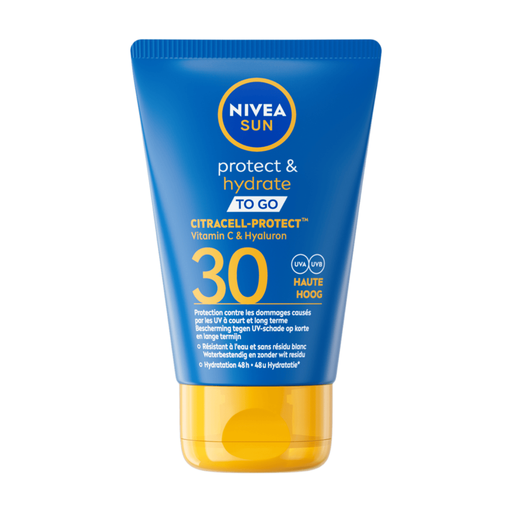
Why it’s a good fit: A compact 50 ml option for everyday use, commuting and carrying in a bag.
The product information states UVA/UVB protection, quick absorption, no white residue and water resistance. Always check the label for the latest claims.
A 50 ml pocket size and hydrating ingredients such as glycerin and sodium hyaluronate.

Why it’s a good fit: A lightweight cream for anyone seeking daily facial protection with a comfortable feel under makeup.
The stated formula is fragrance-free and, according to the product description, leaves no white cast or sticky after-feel. Check the packaging at the time of purchase.
50 ml, SPF50+ and rice extract plus glycerin in the ingredient list.
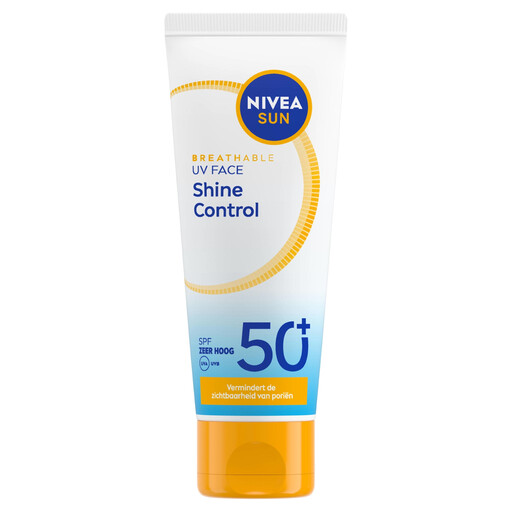
Why it’s a good fit: Designed for those seeking a mattifying sunscreen that works well for the office, cycling and makeup.
The description mentions a dry-touch finish, quick absorption and a formula suitable for layering. The actual finish may vary by skin type.
SPF50+, PA++++ according to the product information, and 40 ml in a face-friendly format.
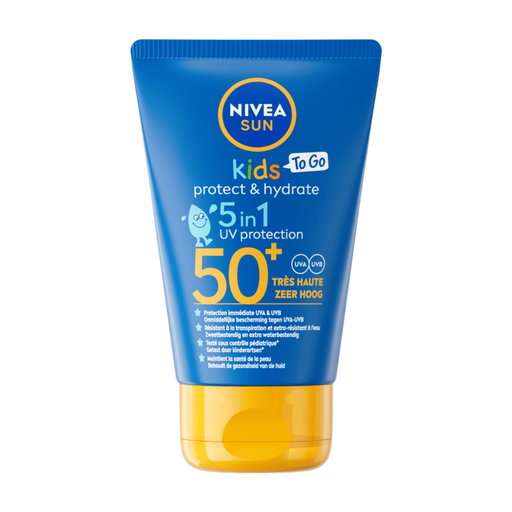
Why it’s a good fit: A compact product for day trips, holidays and active children. Do not use it specifically as a facial product unless the label permits this.
The product information states enhanced water resistance and a formula for children. Reapplication is still necessary after swimming, sweating or towel-drying.
SPF50+, 50 ml and a portable format with panthenol and vitamin E according to the ingredient list.
Browse a current selection of sunscreen products and compare sizes, SPF ratings, textures and intended uses before ordering.
Use enough product for your face and neck. A practical guideline is approximately two finger lengths for these areas. Applying too little sunscreen significantly reduces the level of protection. Ideally, apply the product 15 to 30 minutes before sun exposure, depending on the instructions on the packaging.
Yes. Choose a lightweight formula that absorbs quickly and does not pill when makeup is applied over it. Allow the sunscreen a few minutes to set first. During prolonged exposure, you will need to reapply; this may require partially touching up your makeup.
Check the expiry date and batch number on the packaging. Store sunscreen in a cool place away from direct sunlight. Changes in smell, colour or texture are reasons to stop using the product. An opened product should also be replaced within the period specified after opening.
