
Vandaag of morgen in huis

Kwaliteit gegarandeerd

Welkomstaanbiedingen ontgrendelen: GRATIS bezorging | Tot 80% korting | Gratis 30 dagen JoyPlus-proefperiode
Download de app
A good SPF 50 facial sun cream needs more than a high protection factor. The texture, skin feel and the way you use the product all determine whether you apply enough every morning. A cream that feels sticky, stings or pills under make-up often ends up unused in the bathroom.
SPF mainly refers to protection against UVB radiation. Also check whether the packaging mentions UVA protection or an indication such as PA+++ or PA++++. UVA radiation contributes to long-term sun exposure and premature skin ageing. No sun cream blocks all radiation, so also avoid prolonged, intense exposure and protect your skin with clothing and a hat.
Terms such as ‘invisible finish’, ‘hydrating’ or ‘anti-ageing’ do not tell you everything about the everyday experience. Look for verifiable information:
When a brand claims a particular effect, treat it as a brand claim. For example, according to NIVEA’s own research, NIVEA reports visible results relating to wrinkles and firmness for its UV Face Anti-Age Q10 formula. This is not a guarantee for every user.
A lightweight sun cream feels comfortable, but a thin layer does not automatically provide the protection stated on the label. Apply the cream generously to your face, ears and neck, preferably 15 to 30 minutes before exposure. When outdoors, reapply after swimming, sweating or towelling yourself dry. Always check the usage instructions for the specific product.
For everyday use in the Netherlands, many adults choose SPF 50 sun cream, particularly if they have fair skin, pigmentation or spend a lot of time outdoors. In addition to SPF, check the stated UVA protection. Products such as Beauty of Joseon Relief Sun list SPF50+ and PA+++, while several Korean sun creams in this selection indicate PA++++.
A higher rating is not the only deciding factor. Applying enough product regularly remains more important than the number on the packaging alone.
A sun cream without a white cast is especially practical if you do not want visible residue on your skin. Mineral filters such as zinc oxide can sometimes leave a slight cast, depending on the formula and skin tone. Chemical or hybrid filters often spread more transparently, but the experience varies from product to product.
Choose according to your skin type:
Water resistance is useful when cycling, walking, exercising or on holiday. It does not mean you do not need to reapply after swimming. Anessa states that it has a water-resistant formula and recommends reapplying after swimming or sweating. Anua Heartleaf Silky Moisture Suncream, on the other hand, explicitly states that the product is not water-resistant. This makes it more suitable for normal working days than for intense water-based activities.

Why it suits this profile: An accessible Korean sun cream for anyone looking for a lightweight, hydrating formula for everyday use.
The product description mentions a lightweight texture without a white cast or sticky feel. According to the product specifications, the formula is fragrance-free.
50 ml, SPF50+, PA+++ and rice extract at a stated concentration of 30%.

Why it suits this profile: A compact option for anyone who values a milky texture and water resistance.
The product specifications list SPF50+, a lightweight texture and water resistance. At 12 ml, however, the size is smaller than most 50 ml facial sun creams.
SPF50+, milky texture, water-resistant formula and convenient travel size.
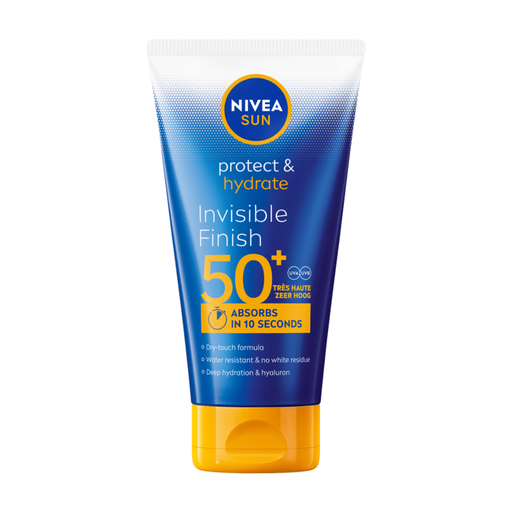
Why it suits this profile: Suitable for users who want a larger size, quick absorption and an invisible finish.
According to the product description, the dry-touch formula leaves no white residue and is water-resistant. However, the ingredients list contains fragrance and alcohol denat.; check your personal tolerance before use.
SPF50+, water-resistant formula, quick absorption according to the product description, and packaging made with at least 50% recycled plastic.
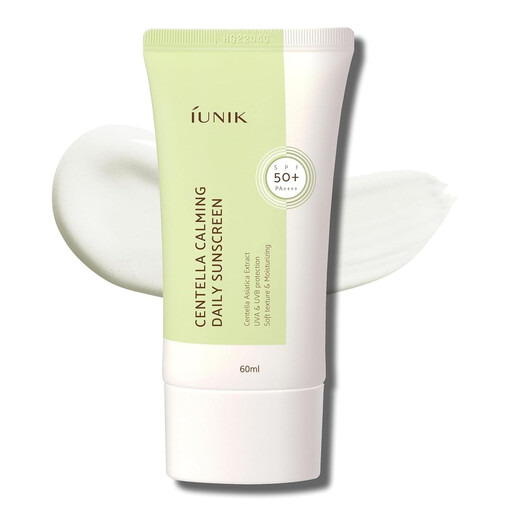
Why it suits this profile: An option for anyone looking for a lightweight, fragrance-free daily sun cream with UVA and UVB protection.
The product description states that it is fragrance-free, has a non-sticky finish and protects against UVA and UVB radiation. Nevertheless, if you have sensitive skin, test it on a small area first.
SPF50+, PA++++, 60 ml, fragrance-free and suitable for all skin types according to the product information.
We have put together a complete, up-to-date list of products that fully meet these strict selection criteria and the applicable European safety regulations.
Apply a generous, even layer to your face and neck. The exact amount varies depending on the product and packaging. Use the sun cream as the final step in your morning routine and follow the instructions on the label.
Yes, many lightweight formulas are designed for this. Allow the lightweight sun cream to absorb fully before carefully applying make-up. A product with a matte finish may feel more comfortable on oily skin, while a hydrating sun cream is often better suited to dry skin.
For prolonged exposure, every two hours is a practical guideline. Also reapply after swimming, sweating or towelling yourself dry. Exposure during a normal working day behind glass is different from exposure while cycling, walking or spending a day at the beach, but applying sun cream every day remains the basis of consistent sun protection.
