
当日/次日达

品质保障

开启新人专享福利: 全场免邮 | 低至 2 折 | 免费试用 30 天 JoyPlus 会员
下载 Joybuy
On paper, an SPF 50 facial sun cream can promise a lot: high protection, hydration, a matte finish and a formula suitable for use under make-up. However, simply looking at the SPF number does not automatically mean you are choosing the right product. The texture, UVA rating, water resistance and ingredients all influence whether you will continue using the facial sun cream every day.
SPF mainly relates to protection against UVB rays, which are among the causes of redness and sunburn. UVA protection is also important for daily sun protection. UVA rays penetrate deeper into the skin and contribute to premature skin ageing and pigmentation changes.
Look for a clear UVA rating, such as PA++++, or the European UVA symbol on the packaging. A product with SPF 50 but no clear information about UVA protection is harder to compare objectively.
A lightweight sun cream that absorbs quickly is ideal for commuting and wearing under make-up. That does not mean the formula will withstand swimming, perspiration or rain. The product description for Anua Heartleaf Silky Moisture Suncream, for example, explicitly states that it is not water-resistant.
For cycling, exercising or spending a day at the beach, the usage instructions are more important than a popular texture. If no water resistance is stated, assume that you will need to reapply more frequently after sweating, swimming or drying yourself.
Words such as “anti-ageing”, “refines pores” or “soothing” often describe a brand’s positioning. Do not treat such claims as guaranteed results. According to NIVEA’s own research, its Q10 formula visibly reduces wrinkles and firms the skin in seven days; this is a brand claim, not a general guarantee for every user.
Instead, start by looking at verifiable information: SPF, UVA rating, size, filters, fragrance, alcohol and the recommended application method.
For everyday use in the Netherlands, SPF 30 may be sufficient with limited exposure. However, if you will be outdoors for a long time, burn easily or want a generous safety margin, SPF 50 or SPF 50+ is often the better choice. No sun cream blocks all UV rays. You should also apply enough product, as a layer that is too thin reduces the level of protection in practice.
A product with SPF 15, such as Estée Lauder DayWear SPF 15 or NIVEA Soothing Day Cream SPF 15, is more of a day cream with added protection than a complete choice for intense sun exposure.
As well as the SPF, check whether the product provides information about broad-spectrum UVA and UVB protection. Korean sun creams often use the PA rating:
The meaning of ratings can vary by market and product label. Always check the current packaging and ingredients list.
Dry skin may benefit from glycerine, hyaluronic acid, panthenol or other moisturising ingredients. Oily or combination skin may prefer silica, starch or a product described as mattifying.
If you have sensitive skin, look for fragrance-free sun cream and a limited amount of potentially irritating ingredients. This does not automatically make a product suitable for everyone. If in doubt, test a small amount first. The product descriptions for some formulas, such as Centella Sun Cream, mention alcohol or essential oils. This may be worth bearing in mind for certain users.
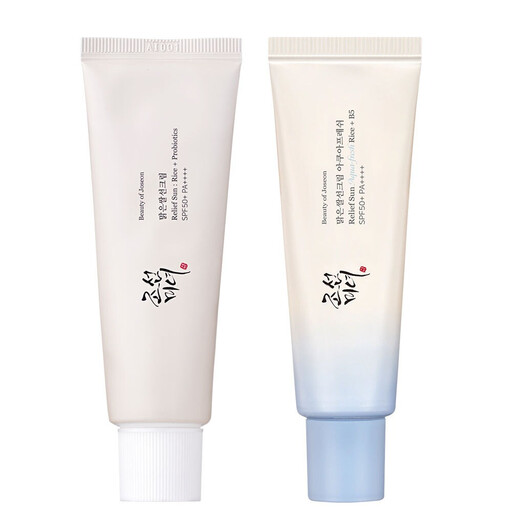
Why it suits this profile: The twin pack is practical for everyday use at home and on the go. The description mentions a lightweight texture with rice extract and a finish without a white cast.
The product information states SPF50+ PA++++ and describes the formula as non-sticky and suitable for reapplication.
Two 50 ml packs; SPF50+; PA++++; lightweight, moisturising positioning.
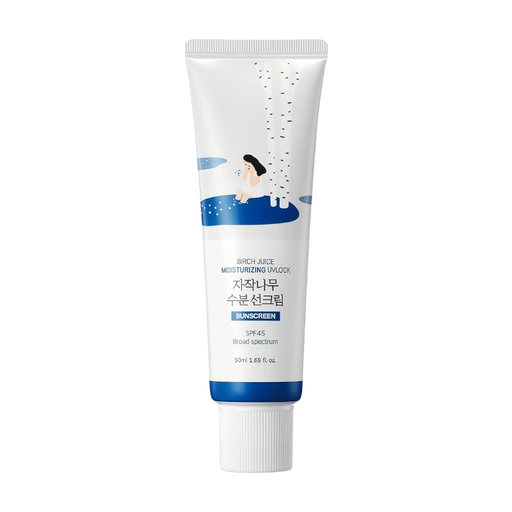
Why it suits this profile: The ingredients list contains multiple UV filters, niacinamide, glycerine and hyaluronic acid. This suits anyone looking to combine protection with a moisturised feel.
The formulation makes the filter technology used easy to verify, rather than relying solely on general marketing language.
50 ml; multiple chemical UV filters; glycerine, niacinamide and two forms of hyaluronic acid in the listed ingredients.

Why it suits this profile: The product description mentions SPF50+, a lightweight milk texture and water resistance. The 12 ml size is handy for a handbag or short trip.
The stated water resistance makes the difference from an ordinary everyday sun cream clearer. However, check the packaging for the current duration of use.
SPF50+; water-resistant positioning; compact 12 ml size; suitable for reapplication according to the product instructions.
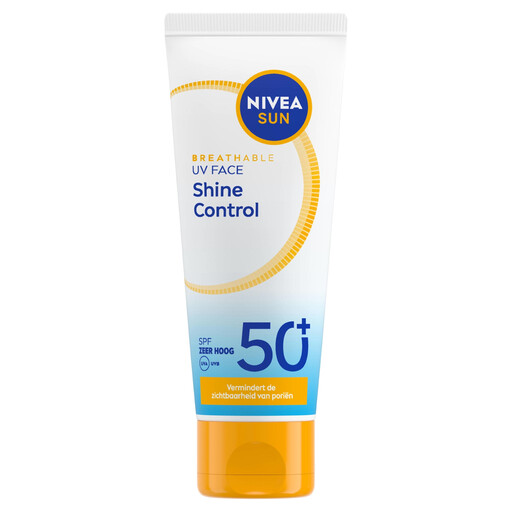
Why it suits this profile: According to the product description, this formula is lightweight, non-greasy and designed to provide a mattifying finish. This suits anyone who wants to wear sun cream under make-up or throughout the working day.
The product information specifies a dry-touch finish, oil control and suitability for layering. The stated effects remain a brand claim; skin results may vary.
SPF50; 40 ml; mattifying positioning; the ingredients list includes tapioca starch, rice starch and silica.
We have put together a complete, up-to-date list of products that fully meet these strict selection criteria and the applicable European safety regulations.
A lightweight formula can be comfortable for everyday use, while a moisturising sun cream may be better suited to dry skin. For sensitive skin, fragrance-free options such as the iUNIK Centella formula, according to the product description, are worth considering. A patch test is still advisable.
That depends on your exposure, the season and your skin type. If you are mainly outdoors for short periods, you could consider SPF 30. For long days outdoors, fair skin or situations with intense sunlight, SPF 50 is a practical choice. Always pay attention to UVA protection as well and apply enough product.
Yes, several products are described as suitable for use as a base under make-up. Choose a formula that absorbs quickly and does not pill when you use several skincare products. Apply the sun cream evenly and allow a short time for the layer to set before applying make-up.
Check the expiry date, batch information and the period-after-opening symbol on the packaging. Store the product somewhere cool and dry, away from direct sunlight. A change in smell, colour or texture may be a reason to stop using the product. Repeated opening, heat and incorrect storage can affect its quality.
