
Vandaag of morgen in huis

Kwaliteit gegarandeerd

Welkomstaanbiedingen ontgrendelen: GRATIS bezorging | Tot 80% korting | Gratis 30 dagen JoyPlus-proefperiode
Download de app
An SPF 50 face sunscreen may seem simple to choose on paper. Yet many purchases end up disappointing. The cream feels sticky, leaves a white cast or makes the skin look shiny within a few hours. A product with promising claims about pigmentation or anti-ageing is also sometimes bought without checking what level of protection and texture it actually offers.
This buying guide helps you compare SPF 50 face sunscreens based on verifiable product information. You’ll see what to look for in daily sun protection, when wearing make-up and for different skin types.
SPF mainly relates to protection against UVB rays, which contribute to redness and sunburn, among other effects. For daily facial sunscreen, UVA protection is important too. UVA rays penetrate deeper into the skin and are often associated with premature skin ageing and an uneven complexion.
Therefore, check whether the product provides information about UVA and UVB protection. A high SPF does not mean you need to apply the cream less often.
Mattifying sunscreen can feel comfortable on oily or combination skin, but a formula containing a lot of alcohol, powders or absorbent ingredients may feel less comfortable for some users. Dry or sensitive skin may benefit more from moisturising ingredients and a smoother finish.
Look out for terms such as non-comedogenic, oil-free, dry-touch and lightweight fluid. These are useful indications from the product description, but they cannot predict exactly how the formula will feel for everyone. Testing a small amount along the jawline may help.
Tinted sunscreen can make redness or an uneven complexion look less noticeable. However, coverage varies from one product and skin tone to another. What’s more, the colour may lead someone to apply too little, meaning the stated level of protection is not achieved.
Use tinted sunscreen as an addition to your routine, rather than as a reason to use less product. For extra coverage, you can apply make-up afterwards.
SPF 30, SPF 35 and SPF 50 indicate different levels of protection against UVB rays. If you spend time outdoors every day, cycle frequently or develop pigmentation easily, you may prefer SPF 50 or SPF 50+ face sunscreen. SPF 30 may be suitable for shorter periods of exposure or when the product is mainly used as a tinted day cream.
No SPF factor makes prolonged exposure completely safe. Apply enough to your face and neck, ideally around 20 minutes before exposure, when stated on the label. Reapply after swimming, sweating or drying yourself, and regularly during extended periods outdoors.
Look for a clear UVA indication alongside the SPF. Some products also state PA++++. This is an additional UVA classification that you’ll mainly see in Asian product information. Always check the European label and instructions for use as well.
The product selection includes items with SPF50+ and PA++++, among others, but check the current packaging and product page for full details.
For a lightweight sunscreen under make-up, a fluid texture, quick absorption and non-sticky finish are practical features. On oily skin, silica, tapioca starch or rice starch may help create a mattifying feel. For dry skin, glycerine, hyaluronic acid or a nourishing cream base may be more appealing.
If your skin is sensitive or reactive, it’s worth checking the full ingredients list. Fragrance and alcohol denat. are present in some formulas. “Dermatologically tested” does not automatically mean that every skin type will tolerate the product without problems.
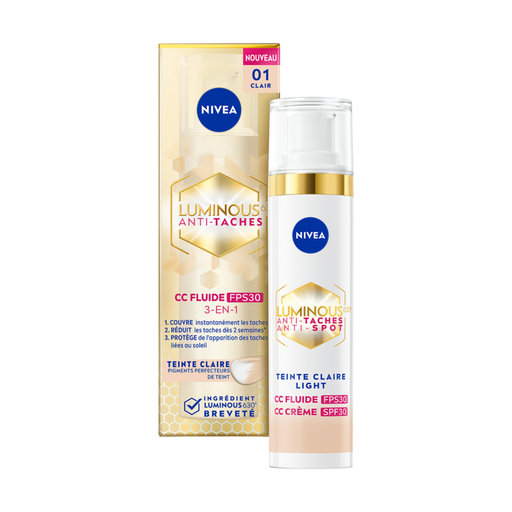
Why it suits this profile: This tinted day cream combines SPF30 with light coverage. It’s a practical choice for anyone looking for a simple morning routine without immediately needing a separate foundation.
The tint makes the product visibly easy to check on the skin, and the product information states that it has a non-comedogenic formula. SPF30 is lower than SPF50, though, so choose it with this in mind.
40 ml; light tint; SPF30; the product description mentions micro-encapsulated pigments and suitability for all skin types.
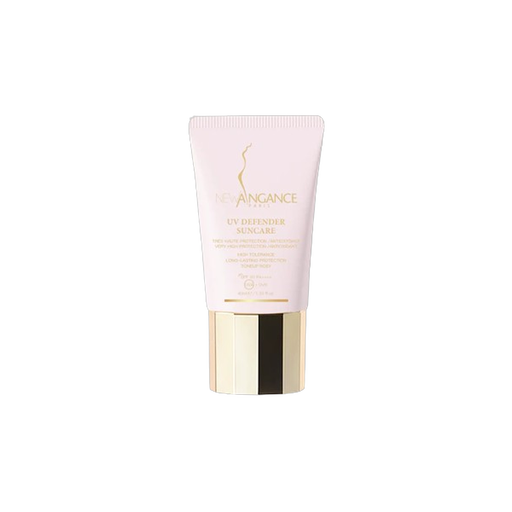
Why it suits this profile: The pink tint is designed to visually correct a dull-looking complexion. The lightweight texture suits users who want to wear daily sun protection as a base under make-up.
The product description mentions a fast-absorbing, non-greasy texture. Colour correction does not replace full coverage, making it easier to apply the recommended amount of sunscreen.
SPF50; PA++++ according to the product information; pink colour correction; 40 ml; designed for the face and neck.
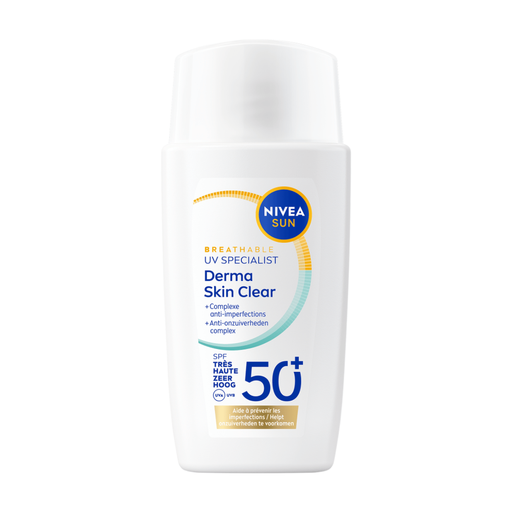
Why it suits this profile: According to the product description, the formula is designed for normal, oily and blemish-prone skin. This makes it relevant for anyone who prioritises shine control and a lightweight texture.
The product information states that it has a non-greasy fluid texture, a non-comedogenic formula and a mattifying effect. However, check whether alcohol denat. and fragrance suit your skin.
SPF50+; the product description mentions UVA/UVB and blue-light protection; niacinamide; designed to provide a mattifying finish.
We’ve put together a complete, up-to-date list of products that fully meet these strict selection criteria and the applicable European safety regulations.
Claims about reducing pigmentation, wrinkles or shine come from the brands’ product information. According to NIVEA’s own research, some LUMINOUS630 and Q10 results are described in specific studies or instrumental tests. This does not guarantee the same results for every user.
That depends on your exposure, skin type and routine. If you work outdoors, cycle frequently or are prone to pigmentation, SPF50 or SPF50+ may be a practical choice. UV rays can still be present on cloudy days. A product that feels comfortable, is used regularly and is applied correctly is more important than simply choosing a high number on the packaging.
The shelf life is stated on the packaging. Check the expiry date and the symbol indicating the period after opening. Keep sunscreen away from direct sunlight and heat. If the smell, colour or texture changes noticeably, it’s best to stop using the product.
Yes. Choose a lightweight fluid or a product that, according to the product description, is suitable for layering. Allow the sunscreen to spread and absorb first. Tinted sunscreen can even out your complexion, but use enough product to achieve the stated protection.
