
Vandaag of morgen in huis

Kwaliteit gegarandeerd

Welkomstaanbiedingen ontgrendelen: GRATIS bezorging | Tot 80% korting | Gratis 30 dagen JoyPlus-proefperiode
Download de app
An SPF 50 face sunscreen needs to be more than just a high number on the bottle. The texture, UV filters, how your skin reacts, and how easy it is to wear all determine whether you’ll actually use it every day. That matters, because a sunscreen that feels too greasy, stings, or pills under makeup will quickly end up unused in your bathroom cabinet.
For K-beauty fans, there’s plenty of choice too: from a lightweight Korean sunscreen to a mineral formula with zinc oxide. Below, you’ll find practical tips on what to look for in the UK and which products suit different situations.
SPF is mainly about protection against UVB rays, the kind that can cause redness and burning. For daily protection, UVA protection is also important. UVA is linked to skin ageing and pigmentation. So, check whether the packaging shows a UVA symbol, a PA rating, or information about broad-spectrum UVA and UVB protection.
A product with SPF 50+ isn’t automatically right for every situation. The protection also depends on how much you apply and how often you reapply.
Words like “soothing”, “anti-pigment” or “barrier-strengthening” often describe a brand’s positioning. According to a brand’s own research, such ingredients or properties may be mentioned, but they don’t guarantee results for every user. So, also look at the ingredients list, the SPF/PA rating, any fragrances, and the usage instructions.
For sensitive skin, “natural” isn’t automatically gentler. Essential oils, perfume, and denatured alcohol can cause sensitivity in some people.
A rich, hydrating sunscreen can feel nice on dry skin, but too shiny on oily or combination skin. A mineral sunscreen can be appealing if you want to avoid chemical UV filters, but zinc oxide can leave a slight white cast, according to product information. A tinted formula can help with that visually, but it won’t suit every skin tone.
For daily use on the face, many people choose SPF 50 or SPF 50+. The PA rating, such as PA++++, is mainly used on Korean sunscreens and gives information about UVA protection according to that classification system. Always check the current packaging and product information when you buy.
Apply sunscreen as the last step of your morning routine, before makeup. You need a generous amount for your face and neck; as a practical guide, about two finger-lengths of product is often recommended. Reapply during prolonged sun exposure, for example after swimming, sweating, or towel-drying.
None of these categories is automatically right for everyone. Pay particular attention to the full ingredients list and how your own skin reacts.
If you’re looking for a light sunscreen to wear under makeup, look for terms like watery, airy-fit, gel, or non-sticky. For dry skin, ingredients like glycerine, hyaluronic acid, panthenol, or rice extract are worth looking out for in the product description. For skin that’s prone to redness or sensitivity, a fragrance-free formula can be a practical starting point.
A product marketed “against dark spots” doesn’t replace dermatological advice. According to the product description from NIVEA, the Luminous Anti-Spot Face Cream contains Luminous630; the claimed effect is a brand claim and shouldn’t be seen as a guaranteed result. Daily UV protection and avoiding excessive sun exposure remain the foundation.

Why this fits the profile: According to the product information, this Korean sunscreen has SPF50+ PA+++ and a hydrating cream texture. That suits users who value comfort and a pampering feel.
The product description mentions no sticky feeling or white cast. Still, apply a small amount first if you have sensitive skin.
30% rice extract according to the product information, SPF50+ PA+++, and a fragrance-free variant.
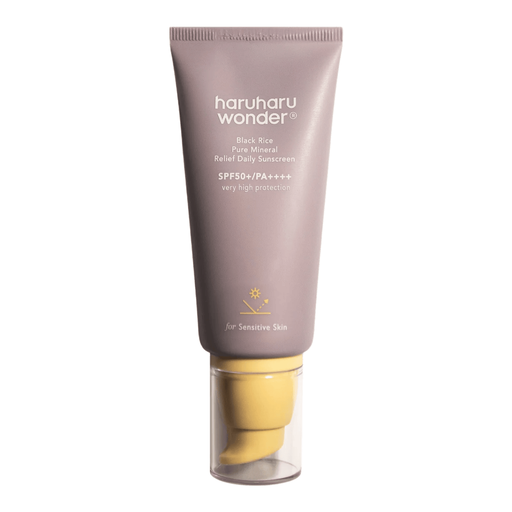
Why this fits the profile: According to the ingredients list, this mineral sunscreen uses zinc oxide. That makes it relevant for anyone specifically looking for a mineral formula.
The product information warns of a possible slight white cast. Spreading it well is therefore important; this isn’t the most obvious choice for everyone.
Mineral formula with zinc oxide, SPF 50 ml packaging, and nourishing ingredients like ceramide NP according to the ingredients list.
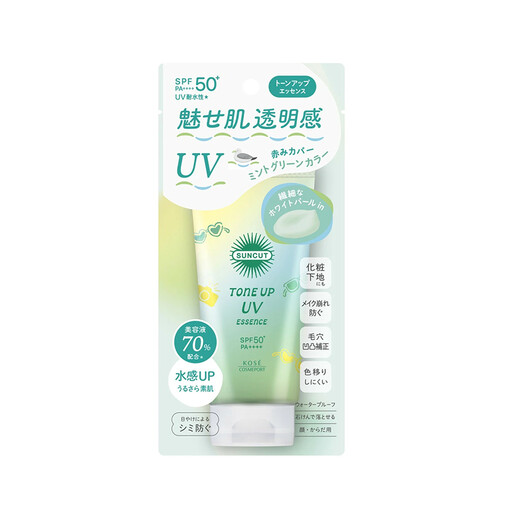
Why this fits the profile: According to the product description, this light cream is designed for skin that quickly looks red and can be used as a base under makeup.
The subtle tint is designed to visually neutralise redness, meaning you may need less extra makeup. This effect varies by skin tone.
80 g content, light texture, and use as both sunscreen and makeup base according to the product information.
We’ve put together a full, up-to-date list of products that fully meet these strict selection criteria and comply with current European safety regulations.
Use a generous layer for your face and neck. Two finger-lengths is a handy guide for most lotions and creams. Spread the product evenly and don’t forget your ears, hairline, and neck. A thin layer reduces the protection compared to the SPF on the packaging.
Yes, many light formulas are designed for this. Let your skincare sink in briefly first, then apply the sunscreen evenly. Wait a moment before using foundation. A mineral formula or a product with lots of powders can pill more easily with some types of makeup; so try a small amount first.
When you’re outdoors, reapplying roughly every two hours is a useful guideline. Do it sooner after swimming, sweating, or towel-drying. Even a product described as water-resistant should be reapplied according to the usage instructions. Check the packaging for the exact instructions.
