
Vandaag of morgen in huis

Kwaliteit gegarandeerd

Welkomstaanbiedingen ontgrendelen: GRATIS bezorging | Tot 80% korting | Gratis 30 dagen JoyPlus-proefperiode
Download de app
Korean SPF 50 sunscreen for your face can feel lightweight and sit comfortably under make-up. But attractive packaging or a promise of an “invisible” finish doesn’t tell you everything. The right choice depends on the UV filters, how much you apply and how well the formula suits your skin.
A gel or serum may feel comfortable, but many people apply too little because a generous layer can temporarily look shiny or feel damp. As a result, you may not get the level of protection stated on the packaging. A practical guideline often used for the face and neck is about two finger lengths of product. Always check the product instructions.
A mineral sunscreen with zinc oxide or titanium dioxide may leave a slight cast, especially on darker skin tones or if you don’t spread the formula evenly. For example, the product information for Haruharu Wonder Black Rice Pure Mineral Sunscreen notes that the zinc oxide may initially be visible. Massaging it in well can help, but it won’t automatically make a mineral formula completely transparent.
Ingredients such as niacinamide, rice extract, aloe vera, centella and hyaluronic acid are often found in Korean sunscreen. According to brands’ own information, these ingredients may help with hydration or make your skin feel more comfortable. But this isn’t guaranteed for everyone, and it doesn’t replace medical advice. So focus on the full ingredients list, fragrance, alcohol and the finish you want.
SPF mainly indicates protection against UVB rays, which can cause redness and sunburn. An SPF 50 product is intended to offer a high level of protection, but only if you apply enough and spread it evenly.
UVA protection also matters for everyday use. PA++++ is a rating you’ll often see on Korean and other Asian products to indicate UVA protection. Also check whether the packaging displays a European UVA symbol or additional UVA information. SPF 50 is no reason to spend longer in direct sunlight.
A mineral sunscreen typically uses filters such as zinc oxide and titanium dioxide. These formulas may appeal if you’d rather avoid traditional chemical filters, but they can leave a visible finish.
Chemical filters usually spread thinly over the skin and are often suitable for a lightweight sunscreen with no white cast. However, suitability depends on the full formula. If your skin reacts easily to cosmetics, test the product on a small patch of skin first.
A watery gel, serum texture or mattifying sunscreen stick may suit oily or combination skin. Dry skin may feel more comfortable with a hydrating sunscreen containing glycerine, panthenol, rice extract or hyaluronic acid. These are product characteristics, not fixed rules for particular skin types.
Also look out for pilling. Apply skincare in thin layers, let each layer sink in briefly and avoid rubbing sunscreen over the same area for too long. Even a product described as suitable under make-up may still react with your primer or foundation.
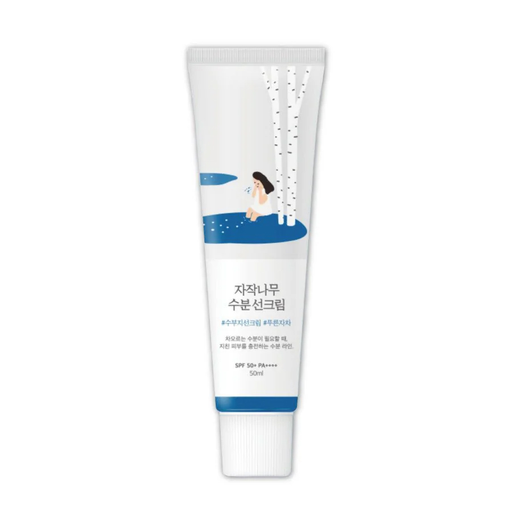
Why it suits this profile: The product description lists SPF50+, PA++++, a lightweight finish and suitability for normal and sensitive skin. This cream is a good option if you’re looking for a simple everyday sunscreen.
According to the description, its lightweight, non-greasy texture makes it less likely that you’ll skip applying it because it feels heavy. Still, check the current packaging and ingredients list.
SPF50+ and PA++++; according to the product information, it contains birch water and niacinamide and leaves no white cast.
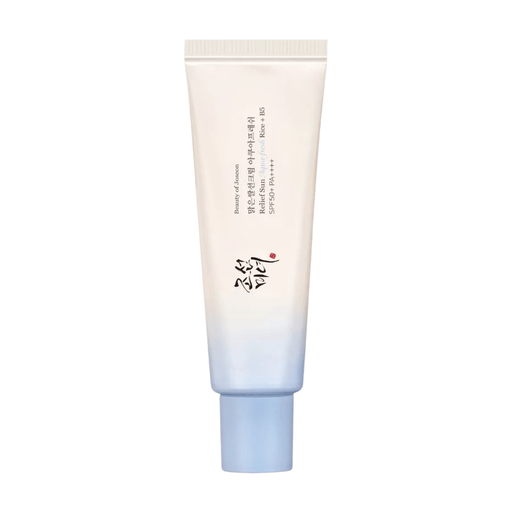
Why it suits this profile: This option is aimed at people who value a nourishing feel and a smooth base under make-up. According to the product description, the formula contains rice water, panthenol, centella and sodium hyaluronate.
According to the product information, the watery lotion texture absorbs quickly and is designed to leave no greasy layer or white cast.
SPF50+ and PA++++; the product information states that it is fragrance-free, with ingredients aimed at hydration.
We’ve put together a complete, up-to-date list of products that meet these strict selection criteria and current European safety requirements.
It can be, but not every formula suits every sensitive skin type. Check the INCI list for fragrance, alcohol and potential allergens. Test a new product on a small area of skin first, and stop using it if you experience redness, itching or irritation.
A sunscreen stick is especially handy for reapplication. Its solid format can make it harder to apply an even amount straight away. A cream, gel or lotion may be easier to use for your first layer; then use the stick for top-ups.
Check the expiry date, PAO symbol and packaging. Store sunscreen in a cool place, out of direct sunlight. If its smell, colour or texture changes, stop using it. Shelf life after opening varies by formula and brand.
