
Vandaag of morgen in huis

Kwaliteit gegarandeerd

Welkomstaanbiedingen ontgrendelen: GRATIS bezorging | Tot 80% korting | Gratis 30 dagen JoyPlus-proefperiode
Download de app
When you’re looking for SPF 50 face sunscreen, it’s easy to focus solely on the number on the bottle. However, SPF isn’t the only factor that determines whether a product works well in your daily routine. Texture, UVA rating, ingredients, how much you apply, and reapplying all make a significant difference in practice.
What’s more, a face sunscreen needs to suit your skin type and when you plan to use it. A rich, hydrating sunscreen can be a good choice for dry skin, while a lightweight face sunscreen is better suited to oily skin or for wearing under make-up.
SPF 50 isn’t a free pass to stay in the sun indefinitely. SPF mainly relates to protection against UVB rays, which are responsible for sunburn, among other things. So, always check whether the product provides information on UVA protection. Look for the UVA symbol on the packaging or broad-spectrum UVA and UVB protection.
Even with SPF 50+, it’s still wise to seek shade, wear clothing, and avoid strong midday sun. The product information for many items advises reapplying regularly, especially after swimming, sweating, or towel drying.
A thin layer might feel comfortable, but it can reduce protection. Apply face sunscreen evenly to your face, neck, and ears. Do this as the last step in your skincare routine, usually before make-up. For prolonged exposure, reapplying is essential.
A product with a light texture or a sunscreen without a white cast often makes generous application easier, as you’re less tempted to skimp on the amount.
Terms like “anti-ageing”, “anti-pigmentation”, “blue light protection”, and “48-hour hydration” sound appealing, but check what evidence backs them up. According to NIVEA’s own research, some products mention a specific hydration duration based on an instrumental test with volunteers. That doesn’t automatically mean the same result for every user.
Also, pay attention to ingredients. Alcohol, perfume, and certain fragrances may be less suitable if your skin reacts quickly to skincare. If you have sensitive skin, always check the current ingredients list on the packaging.
SPF 50 or SPF 50+ is a relevant choice for daily use in the UK, especially on sunny days, during holidays, or for longer outdoor activities. However, the number is only meaningful if you use enough product and reapply according to the instructions.
A face product can also have additional practical features, such as:
Water resistance doesn’t mean you can skip reapplying. Always check the label and product instructions for this.
UVB rays are mainly linked to redness and sunburn. UVA rays penetrate deeper and are often discussed in relation to premature skin ageing and pigmentation changes. If you use sun protection daily, it’s a good idea to consider both types of protection.
With Korean sunscreens, you might see the rating PA++++. This is a system for measuring UVA protection. Don’t compare it directly with SPF: SPF and PA describe different aspects of sun protection.
The right texture determines whether you’ll keep using the product every day.
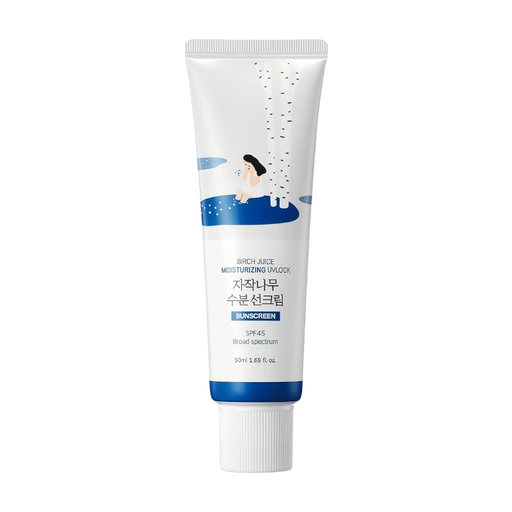
Why it fits this profile: A compact face sunscreen for anyone wanting daily hydration and SPF 50+ in one step. The ingredients list includes glycerine, sodium hyaluronate, and hydrolyzed hyaluronic acid.
The product information mentions multiple UV filters and clear instructions for application and reapplication. Check the current packaging for the full SPF and UVA rating.
50 ml; hydrating ingredients; designed as the last step in your skincare routine.
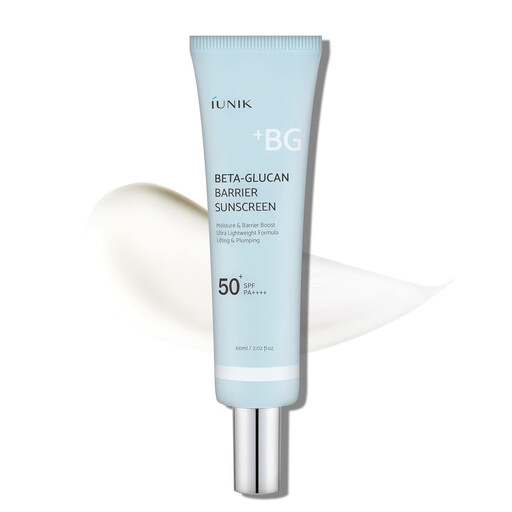
Why it fits this profile: A Korean sunscreen for users who value SPF 50+ PA++++, a daily formula, and a finish without a white cast.
The product description explicitly mentions SPF 50+ PA++++ and a matte formula with no white cast. The claims come from the brand’s product information.
SPF 50+; PA++++; vegan according to the product name; suitable for dry, oily, and sensitive skin.
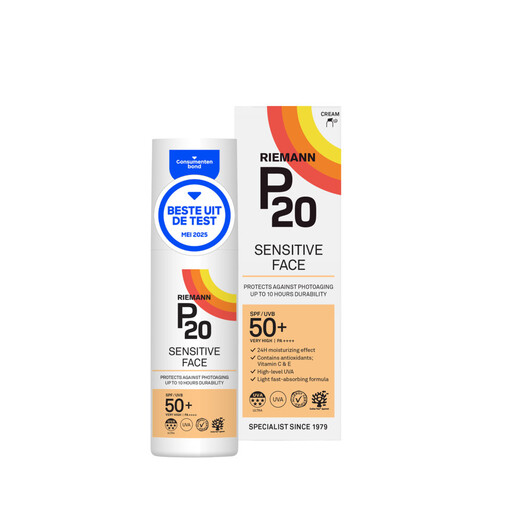
Why it fits this profile: The 50 g face version is practical for anyone specifically looking for an SPF 50+ face product and who spends a lot of time outdoors.
The usage instructions emphasise generous and even application, at least 15 minutes before sun exposure, and reapplying after towel drying or heavy sweating.
SPF 50+; 50 g; contains glycerine, panthenol, trehalose, and squalane according to the ingredients list.
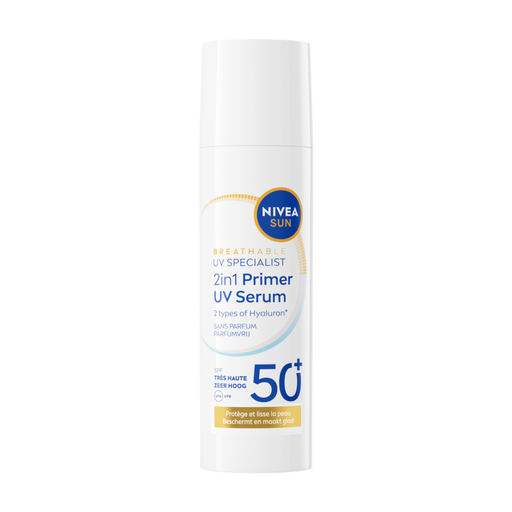
Why it fits this profile: A 2-in-1 primer-serum for anyone who wants to combine daily sun protection with a base for make-up.
According to the product description, the formula is lightweight, non-sticky, and leaves no white cast. If you have sensitive skin, check for the presence of alcohol and test the product beforehand.
SPF 50+; fragrance-free according to the product description; contains hyaluronic acid; designed as a make-up base.
We’ve put together a full, up-to-date list of products that fully meet these strict selection criteria and comply with current European safety regulations.
Yes, SPF 50 or SPF 50+ can be suitable for daily use when the texture and ingredients suit your skin. Choose a product you can apply and reapply generously without it feeling uncomfortable.
For prolonged exposure, it’s often recommended to reapply approximately every two hours. Reapply sooner after swimming, sweating, or towel drying. Always follow the specific instructions on the packaging.
Check the expiry date and the symbol for the period after opening on the packaging. Don’t store sunscreen for a long time in a hot car or in direct sunlight. A change in smell, colour, or texture is a reason to stop using the product.
