
Vandaag of morgen in huis

Kwaliteit gegarandeerd

Welkomstaanbiedingen ontgrendelen: GRATIS bezorging | Tot 80% korting | Gratis 30 dagen JoyPlus-proefperiode
Download de app
SPF 50 face sunscreen needs to do more than offer a high protection factor. The formula should feel comfortable, suit your skin type and work well under make-up. If you only look at “SPF 50+” or a striking marketing claim, you could still end up with a product that feels sticky, leaves a white cast or causes irritation.
SPF mainly protects against UVB rays, which can cause redness and sunburn. Also check whether the product states that it offers UVA protection. UVA rays penetrate deeper into the skin and contribute to visible signs of ageing and changes in pigmentation.
Labels such as PA+++ or PA++++ are often used on Korean and Japanese sunscreens. In Europe, the UVA symbol on the packaging is particularly relevant. Broad-spectrum protection against UVA and UVB is more practical than a product that only emphasises a high SPF.
A lightweight face sunscreen can feel comfortable on oily or combination skin, but may not feel moisturising enough for dry skin. Check the texture and ingredients:
Even a claim such as “suitable for sensitive skin” doesn’t guarantee that everyone will tolerate the formula. A brand’s product information may say that a product is intended for sensitive skin, but individual reactions are still possible.
A high protection factor only works as intended when you use enough product. Apply sunscreen to your face and neck as the last step in your morning skincare routine. The product information for several of the selected formulas advises applying before sun exposure and reapplying after swimming, sweating or towelling dry.
For everyday use, it’s important to choose a product that feels comfortable. If a formula is sticky, you’re more likely to apply too little or skip it altogether.
SPF 50+ is a practical choice for everyday use in the Netherlands, particularly on sunny days, during holidays and when spending longer periods outdoors. Also check:
Face sunscreen is usually formulated for a smaller, more sensitive area than general body sunscreen. This can affect its texture, scent and finish.
If you want to wear sunscreen under make-up, a formula that absorbs quickly and doesn’t pill is usually a good choice. Search terms such as sunscreen without a white cast, lightweight face sunscreen and “non-greasy” don’t tell you everything, though. Check whether the product also contains mineral filters.
A mineral formula with zinc oxide may be visible on some skin tones. For example, the AXIS-Y Complete No-Stress Physical Sunscreen lists zinc oxide as a physical UV filter. It may be worth considering if you’re specifically looking for a physical sunscreen, but it’s best to test the finish on a small area of skin first.
A moisturising sunscreen with glycerine, panthenol, ceramides, rice extract or hyaluronic acid may suit dry skin. If you have oily skin, you may prefer a matte finish, silica or a gel texture. A fragrance-free option may be a sensible choice if you prefer to avoid fragrances.
Bear in mind that product information often suggests additional benefits. Claims about a more even-looking complexion, less visible dark spots or anti-ageing effects are brand claims. A brand’s own research or product description may mention such effects, but they aren’t automatically proven for every user.
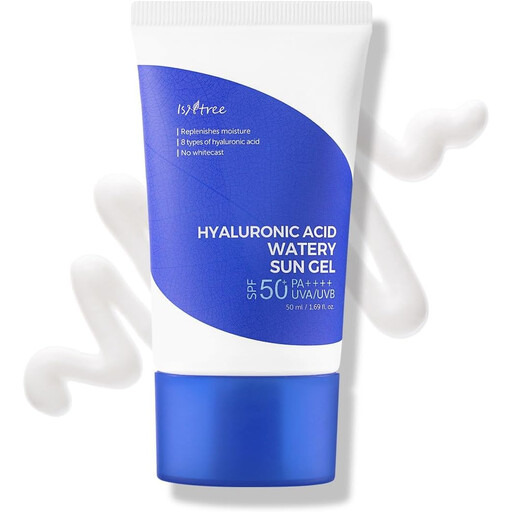
Why it suits this profile: A good choice if you value a hydrating, gel-like texture that can also be worn under make-up.
The product information describes a fast-absorbing, non-greasy, non-sticky gel with no visible finish. According to the product details provided, the formula is alcohol-free.
SPF50+ and PA++++; eight types of hyaluronic acid according to the product description; free from fragrance and essential oils.
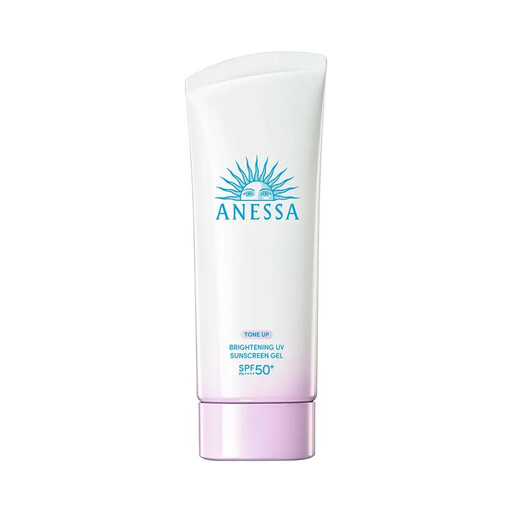
Why it suits this profile: An option for anyone looking for a larger size and gel texture for longer days outdoors or frequent reapplication.
According to the product description, the formula resists water, sweat and friction. These are brand and product claims, so always follow the instructions for reapplication.
SPF50+ and PA++++; 90 g size; the product information describes a lightweight, adhering gel that can be used as a make-up base.
We’ve put together a complete, up-to-date list of products that meet these strict selection criteria and current European safety regulations.
Apply your daily SPF face cream as the last step in your morning skincare routine. Don’t just apply it to your cheeks: cover your nose, forehead, ears and neck too. Ideally, wait a little before applying make-up so the formula has time to spread evenly.
Reapply when you’re outdoors, sweating, swimming or towelling dry. Also check the expiry date and avoid storing sunscreen in direct sunlight or at high temperatures for long periods.
SPF 50+ can be a practical choice for everyday protection, especially if you spend a lot of time outdoors or have fair skin. The actual level of protection also depends on how much you apply, how evenly you spread it and how often you reapply.
Look for a gel, fluid or matte formula with a non-greasy finish. Products such as Isntree Hyaluronic Acid Watery Sun Gel, or a fluid specifically described as suitable for oily skin, may be worth considering. Always check the full ingredients list and how well your skin tolerates the product.
Follow the expiry date and any open-jar symbol on the packaging. Store the product somewhere cool and out of direct sunlight. Reapply after swimming, sweating or towelling dry, even if the product is still within its use-by period.
