
Vandaag of morgen in huis

Kwaliteit gegarandeerd

Welkomstaanbiedingen ontgrendelen: GRATIS bezorging | Tot 80% korting | Gratis 30 dagen JoyPlus-proefperiode
Download de app
Finding a good sunscreen for your face can sometimes feel like an impossible quest. You want high protection with SPF 50, but not the downsides: a sticky feeling, a shiny forehead, or a white cast that makes you look like a ghost. Many products promise the world but leave you with an unpleasant texture that ruins your makeup or even causes breakouts.
Before you buy another tube that ends up in the back of the cabinet, let's discuss the two most common pitfalls:
hydrating sunscreen, but after application, it feels heavy and greasy. Instead of a nourished feel, you get a shiny layer that clogs your pores and doesn't sit well with your foundation.sunscreen without a white cast is a priority for many.This guide will help you look beyond the marketing hype and choose an spf 50 face sunscreen that truly suits your skin and needs.
A high SPF is the foundation, but for a product you want to use every day, other features are just as important. These are the specifications that make the difference between a bad buy and your new favourite day cream with spf 50.
Sunscreens use different types of filters to protect your skin. The choice affects the texture and how the product feels.
The ideal face sunscreen for daily use doesn't feel like sunscreen. Look for the following terms on the packaging:
Modern sunscreens are often more than just protection. They can also function as an anti-aging sunscreen or help with specific skin concerns. Look for ingredients that offer extra benefits:
sunscreen for hyperpigmentation? Ingredients like niacinamide or patented complexes such as Luminous630 can help reduce the visibility of spots and even out skin tone.Based on objective product features, we have highlighted several popular choices that suit different needs and skin types.
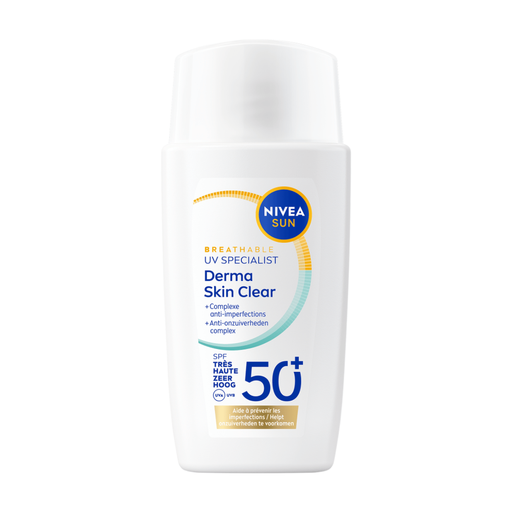
Why This Fits Their Persona: This person is looking for a sunscreen that won't make their skin greasy or worsen breakouts. This fluid is specially formulated for oily and blemish-prone skin and can be used daily without a heavy feeling.
The ultra-light, non-greasy formula tackles the "hydrating trap." According to NIVEA, it absorbs excess sebum and provides an 8-hour mattifying effect, preventing the skin from becoming shiny.
The formula is non-comedogenic and contains Niacinamide, an ingredient known for its positive effects on blemish-prone skin. It helps prevent breakouts.
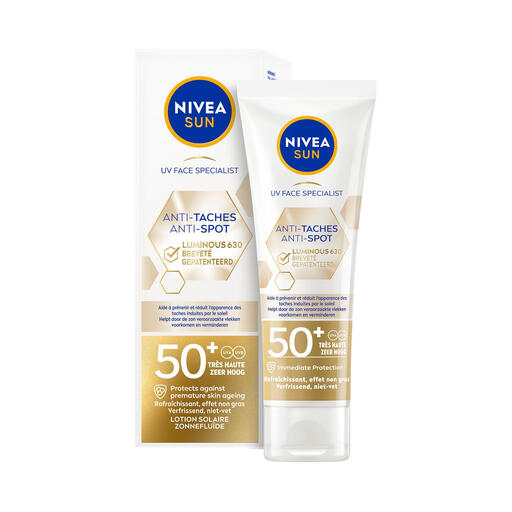
Why This Fits Their Persona: This user wants more than just protection; they are looking for an active solution to reduce and prevent sun-induced pigmentation spots. This product combines sun protection with targeted skincare.
This product bypasses the trap of vague anti-aging claims. According to NIVEA, the formula contains the patented ingredient Luminous630, which is specifically designed to reduce the visibility of dark spots.
The cream offers a dual action: it protects against new spots with SPF 50+ while simultaneously targeting existing ones. The light formula feels non-greasy and is suitable for all skin types.
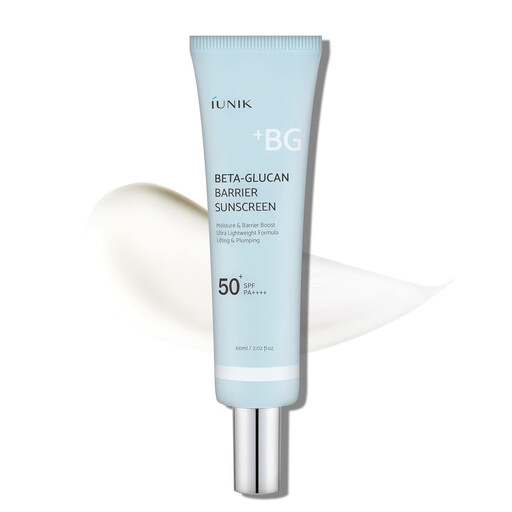
Why This Fits Their Persona: Fans of Korean skincare appreciate elegant, lightweight formulas that hydrate without being sticky. This user wants a product that is invisible on the skin and works perfectly under makeup.
This product is a prime example of a `sunscreen without a white cast`. The Korean formula is specifically designed to absorb quickly and leave no visible residue, completely avoiding the "white cast" pitfall.
The formula contains Beta-Glucan, a hydrating ingredient. The product offers high protection (SPF 50+ PA++++) in a lightweight, moisturizing texture that is suitable for daily use, even for sensitive skin.
We've compiled a complete, up-to-date list of products that meet these strict selection criteria and local regulations.
Yes, many modern face sunscreens, particularly those described as a day cream with spf 50, contain hydrating and nourishing ingredients like hyaluronic acid or glycerin. For normal to oily skin, such a product may be sufficient as an all-in-one daily moisturiser and protector. If you have very dry skin, you can apply the sunscreen over your regular day cream.
For optimal protection, the recommended amount is about two finger lengths (index and middle finger) for your face and neck. Applying too little product significantly reduces the protection factor. Apply generously and evenly, and don't forget your ears and the skin around your hairline.
No, that's a myth. Although some older mineral sunscreens, in particular, can leave a white cast, there are now many options that do not. Chemical sunscreens rarely leave a white cast. There are also modern mineral formulas with 'nano' particles or a tint that blend invisibly into the skin. Look for products specifically labelled without a white cast or 'invisible finish'.
