
Vandaag of morgen in huis

Kwaliteit gegarandeerd

Welkomstaanbiedingen ontgrendelen: GRATIS bezorging | Tot 80% korting | Gratis 30 dagen JoyPlus-proefperiode
Download de app
Daily sun protection is an absolute necessity, not an optional luxury, even in places where the sun's intensity can be unexpectedly high. But the search for the right SPF 50 face sunscreen can feel like navigating a maze. Packaging makes all sorts of promises, but what do you really need? As a Product Recommendation Officer at Joybuy, I'm here to help you cut through the marketing claims and make a choice that suits your skin and your budget.
Before you make a purchase, it's wise to consider a few common pitfalls:
To make a smart choice, look beyond just the SPF factor. These three specifications are crucial for an effective and pleasant-to-use face sunscreen.
SPF (Sun Protection Factor) only indicates protection against UVB radiation, the rays that cause sunburn. But UVA radiation is just as important. These rays penetrate deeper into the skin and are the main cause of skin ageing and dark spots.
anti-ageing sunscreen or sunscreen for dark spots will always have high UVA protection.The reason many people skip daily application is an unpleasant texture. A sunscreen that is too thick, sticky, or greasy will quickly end up at the back of the cabinet. The right formula for your skin type is essential.
day cream with SPF 50.Some sunscreens contain extra active ingredients that offer benefits beyond sun protection. This can make a product multifunctional, as long as the foundation—the protection—is solid. Think of:
Based on product specifications and various user profiles, we have highlighted a few popular choices.
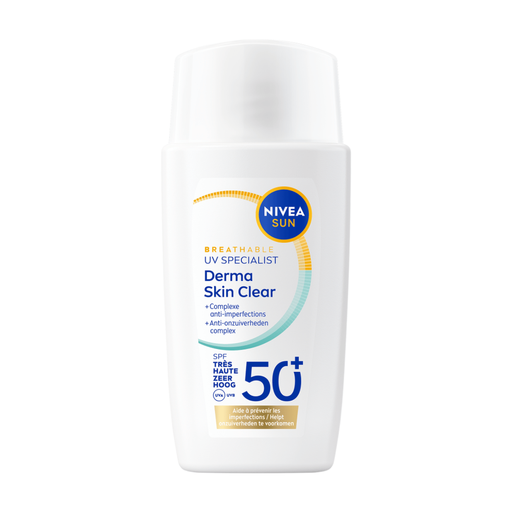
Why it's a match: This fluid is specially formulated for oily and blemish-prone skin. The light texture absorbs quickly and leaves a matte effect, making it an excellent base for makeup without a sticky feeling.
This product doesn't fall into the "all-in-one" trap. It focuses on a single target group (oily skin) and addresses specific problems (shine, blemishes) instead of making vague promises.
The formula contains Niacinamide, which helps absorb excess sebum and prevent blemishes. According to Nivea, it provides an 8-hour mattifying effect.
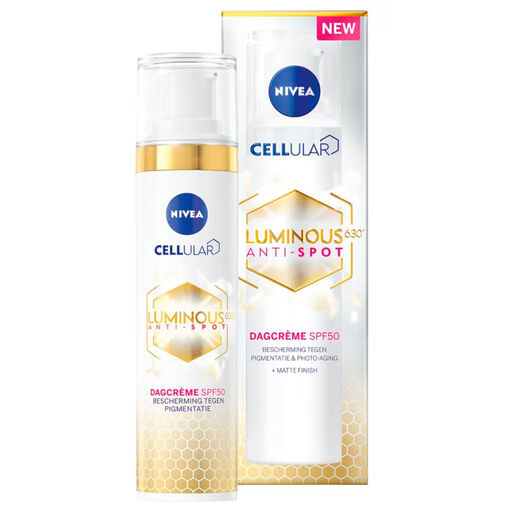
Why it's a match: For those concerned about dark spots and skin ageing, this cream combines a high SPF 50 with a targeted ingredient. It's a `day cream with SPF 50` specifically designed to tackle existing spots and prevent new ones.
Instead of vague "anti-ageing" claims, this product focuses on a specific and measurable goal: reducing dark spots. The claim is based on the brand's own patented ingredient.
According to Nivea, the patented ingredient LUMINOUS630 works at a cellular level to reduce and prevent dark spots. The addition of hyaluronic acid provides hydration.
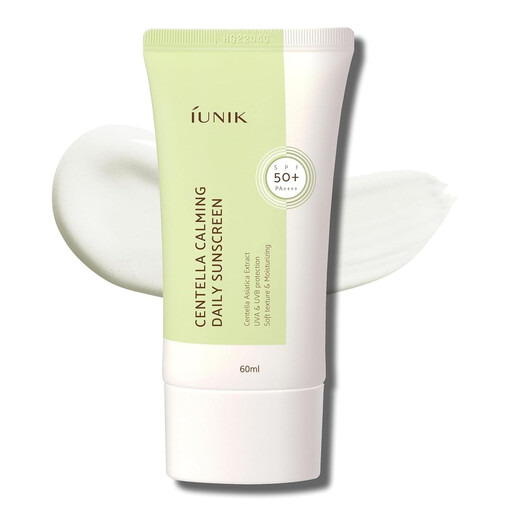
Why it's a match: This Korean sunscreen is known for its calming and lightweight formula. It is ideal for sensitive skin that reacts quickly to fragrance or heavy textures. The `sunscreen without a white cast` promise is fulfilled here.
This product debunks the myth that only mineral filters are suitable for sensitive skin. It uses modern chemical filters in a calming, fragrance-free formula that prioritises comfort.
Contains Centella Asiatica, an ingredient known for its soothing and restorative properties. The formula is vegan, lightweight, and offers high UVA protection (PA++++).
We have compiled a complete, up-to-date list of products that fully meet these strict selection criteria and local regulations.
A common guideline is the "two-finger rule": apply a line of sunscreen to your index and middle fingers. This amount is generally sufficient for your face and neck. Applying too little product significantly reduces the indicated SPF protection.
Yes, it can, especially if you choose a hydrating sunscreen that suits your skin type. Many modern formulas, such as a day cream with SPF 50, contain nourishing and hydrating ingredients like hyaluronic acid or glycerin. For very dry skin, it might be more comfortable to apply a light moisturiser first, followed by the sunscreen.
