
Vandaag of morgen in huis

Kwaliteit gegarandeerd

Welkomstaanbiedingen ontgrendelen: GRATIS bezorging | Tot 80% korting | Gratis 30 dagen JoyPlus-proefperiode
Download de app
Finding a good face sunscreen can feel like an impossible mission. You're looking for protection, but often end up with a sticky residue, a white cast, or breakouts. It's a common struggle: you want to protect your skin from the sun and premature ageing, but not at the expense of comfort or a flawless makeup base.
As a Joybuy Product Recommendation Officer, I'm here to guide you. This article offers practical tips and a selection of products designed for daily use. No marketing jargon—just clear information to help you choose an SPF 50 face sunscreen that suits you and your skin.
The shelves are packed, but not every sunscreen is suitable for daily use on the face. Here are a few key points to simplify your search.
Texture is key to how comfortable it feels. A lightweight face sunscreen, such as a fluid or gel, is often a great choice because it absorbs quickly.
Modern sunscreens do more than just protect. They are often an extension of your skincare routine. Look for products that offer specific benefits, such as:
Based on product specifications and user needs, we have selected several NIVEA face sunscreens that cater to different preferences.
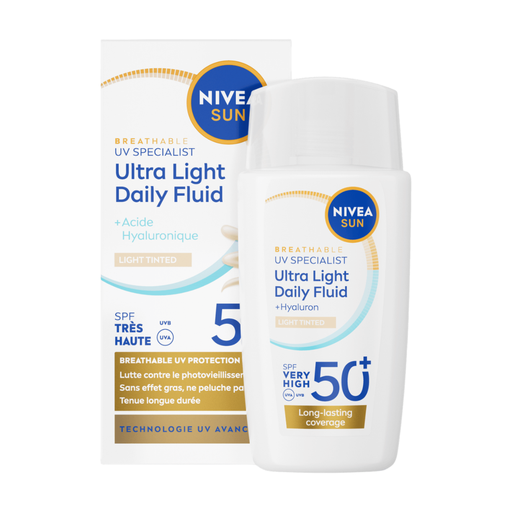
Why It Stands Out This sunscreen combines high protection with light, natural coverage. The tinted pigments help to even out the skin tone, making it a convenient 2-in-1 product for daily use.
Benefits
Who It's For For anyone looking for a tinted face sunscreen that protects, hydrates, and provides a light, even finish all at once. Suitable for all skin types and ideal for those who want to save time in the morning.
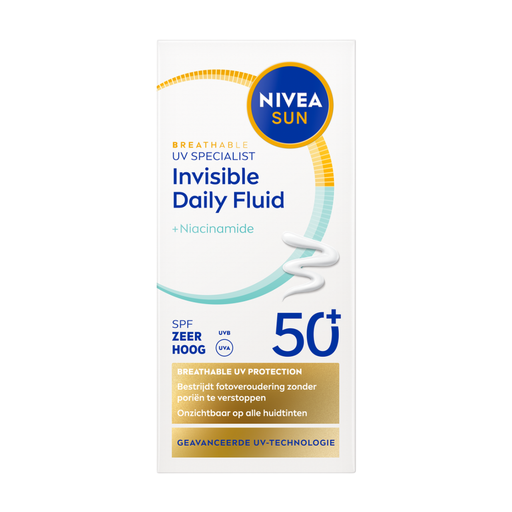
Why It Stands Out The name says it all: invisible. This ultra-light fluid is designed to leave no white cast, making it an excellent choice for all skin tones. The addition of niacinamide and a mattifying effect make it a versatile product.
Benefits
Who It's For Ideal for anyone who dislikes the feel and look of traditional sunscreen. A great option for combination to oily skin thanks to its mattifying effect, but also for anyone seeking a sunscreen without a white cast.
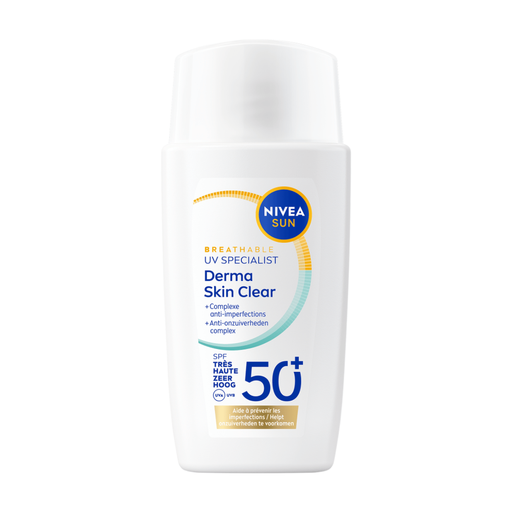
Why It Stands Out This sunscreen is specifically formulated for blemish-prone and oily skin. The formula, featuring an Anti-Blemish Complex and niacinamide, is non-comedogenic and helps prevent breakouts by absorbing excess oil.
Benefits
Who It's For An excellent choice for those looking for a sunscreen for oily skin or skin prone to breakouts. If you often find that sunscreen clogs your pores, this formula offers a targeted solution.
Now that your skin is well-protected, it's time to enjoy the sun responsibly. Whether you're reading a book in the garden, sitting on your balcony, or spending a day at the beach, comfort is key. A good chair can make all the difference.
Looking for a comfortable way to relax outdoors? Take a look at our selection.
Discover Our Folding Recliner Chairs
Yes, dermatologists recommend applying a high-SPF sunscreen daily. It is one of the most effective ways to protect your skin from harmful UV radiation, which helps prevent premature skin ageing and sun damage.
SPF (Sun Protection Factor) indicates how well a product protects against UVB radiation. SPF 30 filters about 97% of UVB rays, while SPF 50 filters about 98%. This may seem like a small difference, but that extra percent offers a higher margin of safety, especially since most people don't always apply the recommended amount of sunscreen.
