
Vandaag of morgen in huis

Kwaliteit gegarandeerd

Welkomstaanbiedingen ontgrendelen: GRATIS bezorging | Tot 80% korting | Gratis 30 dagen JoyPlus-proefperiode
Download de app
Finding a good SPF 50 face sunscreen can feel like an endless search. The shelves are packed with products that promise the world but often fall short in practice. A sticky feeling, a white cast, or a formula that doesn't sit well with makeup are common problems.
As a Joybuy Product Recommendation Officer, I see the daily struggles consumers face. Before you make a choice, it's helpful to recognise the most common pitfalls.
By keeping these points in mind, you can search more effectively for a product that truly suits you.
To avoid a bad purchase, it's useful to understand a few basic properties. This will help you see through the marketing claims and focus on what really matters for your skin.
The core of any face sunscreen is its UV filters. There are broadly two types:
Hybrid formulas that combine both filter types to maximise benefits also exist.
The texture determines how the product feels and looks on your skin. A mattifying face sunscreen is ideal for oily or combination skin, as it helps control shine throughout the day. If you have dry skin, a richer cream or a hydrating day cream with SPF 50 is a better match. Look for terms like 'fluid' (very liquid and light), 'gel' (light and refreshing), or 'cream' (nourishing and hydrating).
Modern sunscreens often contain additional skincare ingredients. This can be a major advantage, provided they are present in an effective concentration.
A tinted sunscreen can also provide light coverage, evening out your skin tone without the need for a heavy foundation.
Based on product specifications and the needs of different users, we have selected several options that address specific problems.
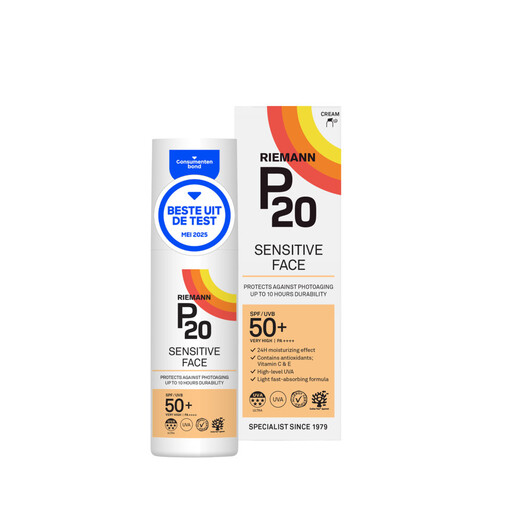
Why This Fits Their Persona: Ideal for those seeking reliable, high daily protection without the risk of irritation. The formula is specifically developed for sensitive facial skin.
This cream is specially formulated for sensitive skin, minimising the risk of the 'hidden irritants' pitfall. The texture is designed for comfortable daily use.
Offers very high, broad-spectrum UVA and UVB protection. The formula is water-resistant, which is useful during perspiration or an unexpected rain shower.
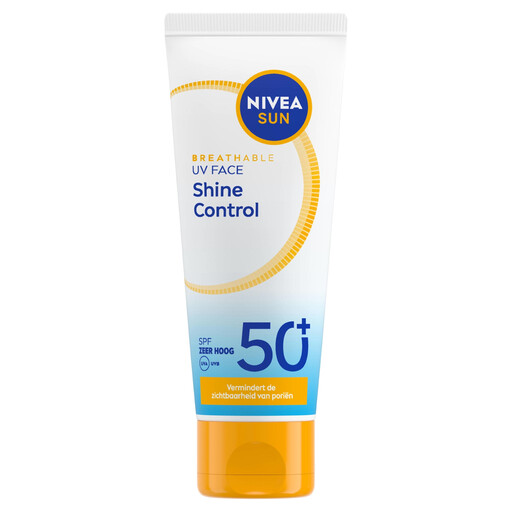
Why This Fits Their Persona: Perfect for anyone struggling with a shiny T-zone. This formula is designed to keep the skin matte, making it an excellent base for makeup or for wearing alone.
It directly tackles the 'sticky promise' pitfall. The formula contains ingredients like tapioca and rice starch that absorb excess sebum for an immediate and long-lasting mattifying effect.
According to NIVEA, it provides a mattifying effect that lasts up to 12 hours. The light, non-comedogenic formula absorbs quickly and doesn't feel greasy, preventing clogged pores.
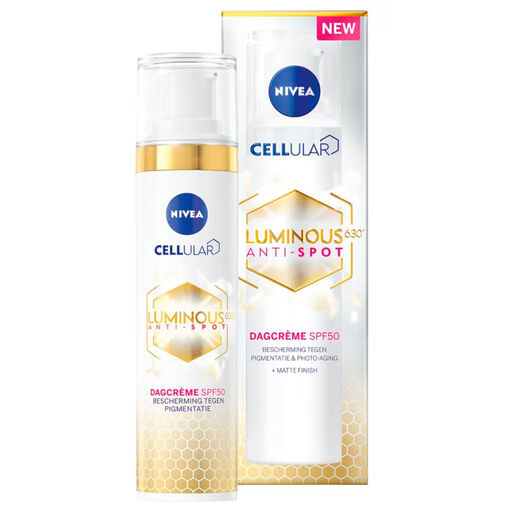
Why This Fits Their Persona: For those who want to combine sun protection with a targeted approach to pigmentation. This product functions as a day cream and sunscreen in one.
This is more than a simple sunscreen; it's a skincare product. The formula is designed for daily use and has a pleasant, non-sticky texture. The modern filters prevent a white cast.
Contains the NIVEA-patented ingredient LUMINOUS630. According to the manufacturer, this ingredient helps reduce existing dark spots and prevent the formation of new ones.
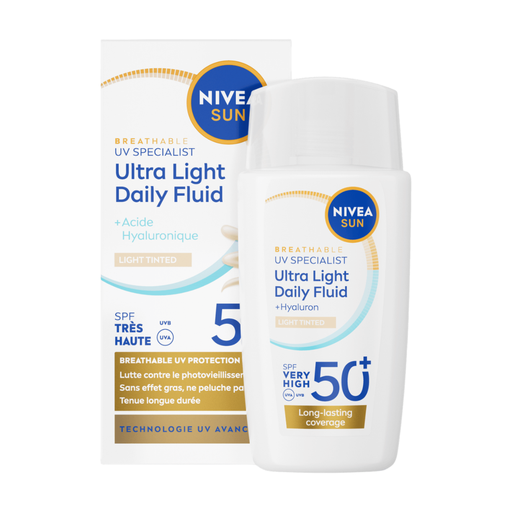
Why This Fits Their Persona: For those who want to save time in the morning. This product combines high sun protection with a light tint that evens out the skin, making a separate foundation or BB cream unnecessary.
It completely bypasses the 'white cast' pitfall by including pigments that provide a natural, even tone. The ultra-light fluid texture is designed to absorb quickly without leaving a sticky residue.
Two-in-one functionality: high SPF 50+ protection and an evening tint. The formula is hydrating and provides a natural, radiant finish.
We have compiled a complete, real-time list of products that fully satisfy these strict selection criteria and UK safety regulations.
A common and practical guideline is the 'two-finger rule'. Apply a line of sunscreen to your index and middle fingers, from the base to the tip. This amount is generally sufficient for your face and neck to achieve the stated SPF protection. Applying too little significantly reduces the protection factor.
Technically, you can, but it's not recommended for daily use. Sunscreens for the body are often thicker, greasier, and may contain ingredients that can clog your facial pores (comedogenic). An SPF 50 face sunscreen is specifically formulated to be lighter, non-comedogenic, and to work well with other facial skincare and makeup.
Yes, absolutely. Up to 80% of UV radiation penetrates through cloud cover. UVA rays in particular, which are the main cause of premature skin ageing like wrinkles and dark spots, are present all year round. Daily protection is therefore a wise habit, regardless of the weather.
