
Vandaag of morgen in huis

Kwaliteit gegarandeerd

Welkomstaanbiedingen ontgrendelen: GRATIS bezorging | Tot 80% korting | Gratis 30 dagen JoyPlus-proefperiode
Download de app
The facial sunscreen aisle is overwhelming. Dozens of tubes promise perfect protection, but often leave you with a shiny face, a white cast, or skin irritation. Finding the right SPF 50 sunscreen can feel like an endless search, especially when you're trying to avoid common marketing traps.
As a Joybuy Product Recommendation Officer, I see the daily frustrations consumers face. Before you make a choice, it's wise to understand the following points that often lead to disappointment:
A high SPF is a great start, but it doesn't tell the whole story. To find a product you'll actually want to use every day, the following specifications are crucial.
SPF (Sun Protection Factor) primarily measures protection against UVB radiation, which causes sunburn. UVA radiation penetrates deeper into the skin and is the main cause of premature skin ageing (wrinkles), and using sunscreen for hyperpigmentation is directly related to this.
Therefore, in addition to SPF 50, look for a logo with "UVA" in a circle or a PA rating (especially on Korean sunscreens). PA++++ offers the highest level of UVA protection and is a key factor for an effective anti-ageing sunscreen.
Sunscreens use two types of filters to protect the skin.
The texture and base of a sunscreen determine how the product feels and performs on your skin.
Based on objective specifications and various user profiles, here are some recommendations.
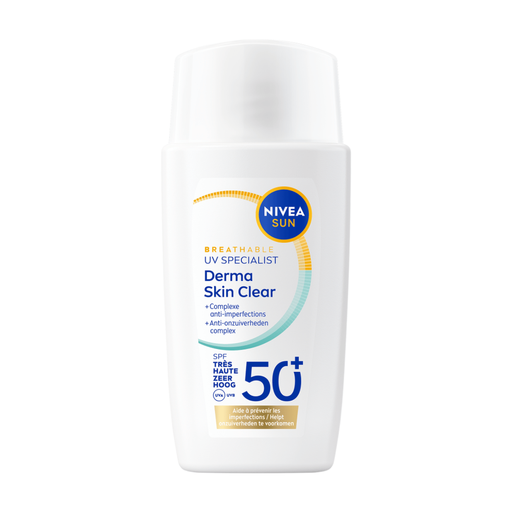
Why This Fits Their Persona: This sunscreen is specifically developed for oily and blemish-prone skin. The ultra-light fluid texture doesn't feel heavy or sticky, a common complaint for this skin type.
The formula contains niacinamide and an anti-blemish complex, and is designed to absorb excess sebum. This prevents the shiny layer that many standard sunscreens leave behind.
Offers an 8-hour mattifying effect (according to Nivea's instrumental test) and does not clog pores (non-comedogenic). The formula is non-greasy and absorbs quickly.
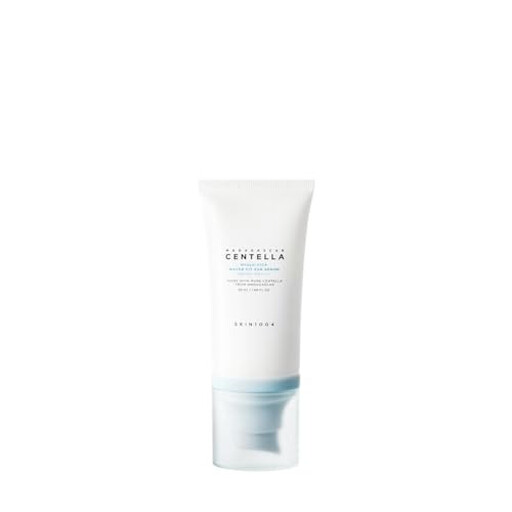
Why This Fits Their Persona: This Korean sun serum combines high protection with intense hydration. Perfect for those who want to avoid a tight feeling while also soothing sensitive skin.
Instead of a thick, white cream, this is an ultra-light serum that feels like a moisturiser. It addresses the fear of a white cast and a sticky feeling, which are often reasons to skip sunscreen.
The Hyalu-Cica formula contains hyaluronic acid for hydration and Centella Asiatica extract to soothe the skin. The formula leaves a radiant finish without being sticky.
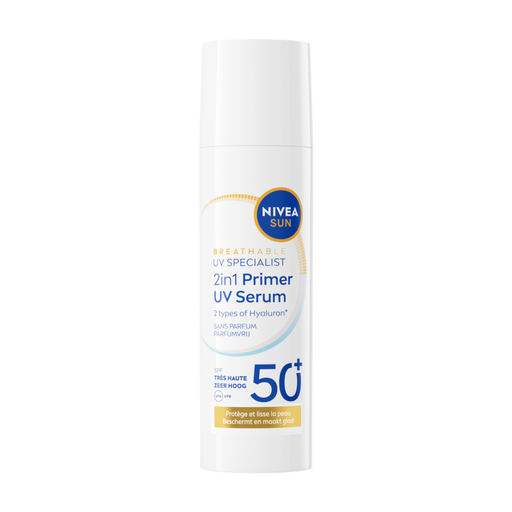
Why This Fits Their Persona: This product is designed as a 2-in-1 solution: high sun protection and a primer. It creates a smooth base, helping makeup last longer and look better.
Many sunscreens pill or ball up under foundation. This serum formula is lightweight, non-greasy, and absorbs quickly, specifically to prevent this problem and provide an even base.
Combines the steps of sunscreen and primer, which saves time. The formula is fragrance-free and contains hyaluronic acid for extra hydration without a sticky feeling.
We've compiled a complete, up-to-date list of products that fully meet these strict selection criteria and local regulations.
A common guideline is the "two-finger rule": apply a line of sunscreen to your index and middle fingers. This amount is generally sufficient for your face and neck to achieve the stated SPF value. Applying too little drastically reduces protection.
For a day with low sun exposure (e.g., an office day), a day cream with SPF 50 may suffice, provided you apply enough of it. For days when you'll be outside longer, a dedicated SPF 50 face sunscreen offers more robust and often more water-resistant protection. It should be the final and most important step in your morning routine.
SPF 30 blocks about 97% of UVB rays, while SPF 50 blocks about 98%. The difference seems small, but that extra 1% of protection can make a significant difference in preventing sun damage for people with fair or sensitive skin, or during intense sun exposure. For daily use and as an anti-ageing measure, SPF 50 is a solid choice.
