
Vandaag of morgen in huis

Kwaliteit gegarandeerd

Welkomstaanbiedingen ontgrendelen: GRATIS bezorging | Tot 80% korting | Gratis 30 dagen JoyPlus-proefperiode
Download de app
Choosing an SPF 50 sun cream for your face may seem straightforward. Yet many consumers end up with a product that feels too greasy, stings around the eyes or leaves a white cast. Marketing terms such as “invisible finish”, “long-lasting protection” and “suitable for all skin types” only mean something when you check the ingredients, directions for use and protection ratings.
In this guide, you’ll compare the key features of SPF 50 sun cream for the face. You’ll find practical selection criteria for sensitive, oily, combination or dehydrated skin, as well as popular options suited to everyday use, Korean skincare or intensive exposure to sun and water.
SPF mainly indicates protection against UVB radiation. For everyday protection, a clear indication of UVA protection is also important. Look for information such as “UVA” inside a circle, a broad-spectrum statement or, for Korean products, a PA rating. So, a product with SPF 50 is not automatically identical to another product with SPF 50.
A rich cream may feel pleasant on dehydrated skin at first, but it can pill under make-up or become shiny throughout the day. A lightweight sun cream often feels more comfortable for everyday use, but may feel less nourishing. For oily or combination skin, terms such as dry-touch, silica, rice starch or a mattifying finish are useful indicators in the product description.
A mineral sun cream containing zinc oxide can leave a slight white cast, especially on darker skin or when you apply too much product at once. Chemical filters generally blend in more transparently, but some formulas contain alcohol, fragrance or essential oils. This may make them less suitable for sensitive skin. Always check the full ingredients list and test a new product on a small area of skin first.
For everyday use on the face, many consumers choose SPF 50 or SPF 50+ sun cream. Apply enough to your face, ears and neck as the final step in your morning routine. The product information for the formulas mentioned generally recommends reapplying after around two hours outdoors and after swimming, sweating or drying yourself.
No sun protection product protects you indefinitely. Avoid prolonged direct sunlight, seek shade and wear a hat or sunglasses where necessary. Follow the instructions on the packaging, as formulas and packaging information may change.
A mineral sun cream uses zinc oxide, for example, as a UV filter. In the list below, SKIN1004, AXIS-Y and Haruharu Wonder Pure Mineral contain zinc oxide. A formula with several chemical filters, such as BIRCH Juice Moisturizing Sunscreen or Beauty of Joseon Relief Sun, can often feel lightweight and transparent.
The choice of filters affects not only the protection, but also the texture and the risk of a visible white cast. “Chemical” or “mineral” is not a simple ranking of quality. Consider the formula as a whole, how your skin reacts and the finish you want.
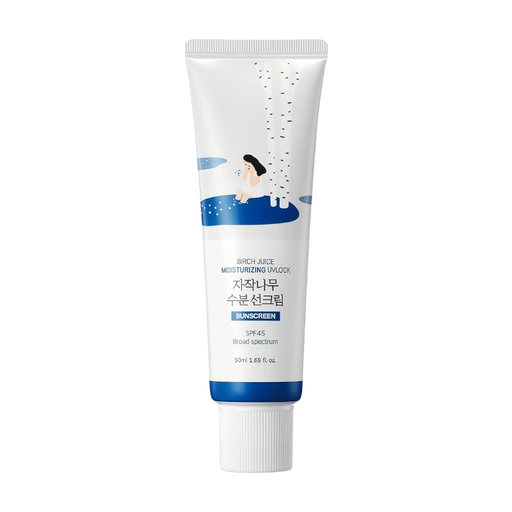
Why it suits this profile: An everyday formula containing 50 ml, with hydrating ingredients such as glycerine, sodium hyaluronate and hyaluronic acid.
The filter list is clearly stated. The formula is not described as a mineral sun cream, making a white cast less likely.
SPF 50, 50 ml and multiple hydrating ingredients.

Why it suits this profile: A Korean sun cream with SPF50+ PA+++ and a creamy texture for everyday use.
The product information states that it is fragrance-free and leaves no white cast. Even so, check the current packaging if you have sensitive skin.
30% rice extract according to the product information, plus SPF50+ PA+++ and 50 ml.

Why it suits this profile: The product description states that it has a lightweight milk texture and is water-resistant, in a compact 12 ml size.
The water resistance is explicitly stated in the product information. Reapplication is still necessary after swimming, sweating or drying yourself.
SPF 50+, lightweight milk texture and a water-resistant formula according to the product description.
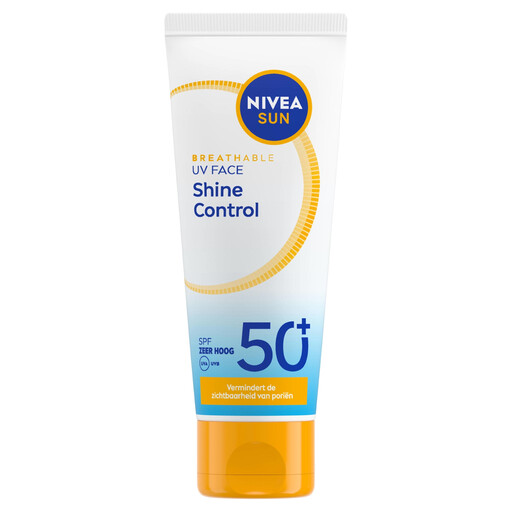
Why it suits this profile: The product description mentions a dry-touch formula with silica, tapioca starch, rice starch and carnitine for a mattifying feel.
The formula contains several absorbent powders. If you are sensitive to alcohol or fragrance, check the ingredients list beforehand.
SPF 50, a lightweight finish and ingredients selected for shine control according to the product description.
We’ve compiled a complete, up-to-date list of products that fully meet these strict selection criteria and the applicable European safety regulations.
SPF 50 can be a practical choice if you spend a lot of time outdoors, have fair skin or want to use a high protection factor every day. Also check the UVA rating and apply enough product. SPF 50 will not work effectively if you only use a thin layer.
Check the expiry date and batch number on the packaging. If there is an open-jar symbol, follow the stated period of use after opening. A change in smell, colour or texture may be a reason to stop using the product. Storing it in a hot car or on a sunny windowsill may shorten its practical shelf life.
If there is little daylight and limited exposure, you may not need to reapply as often. If you go for a walk, cycle, exercise or have lunch on a sunny terrace, reapply according to the directions for use. After sweating, swimming or drying yourself, reapplication is important, even with a water-resistant sun cream.
