
Vandaag of morgen in huis

Kwaliteit gegarandeerd

Welkomstaanbiedingen ontgrendelen: GRATIS bezorging | Tot 80% korting | Gratis 30 dagen JoyPlus-proefperiode
Download de app
Buying SPF 50 sun cream for your face sounds simple, until you have to choose between a lightweight fluid, a mattifying sunscreen or a hydrating formula. Many products promise an invisible finish, long-lasting protection or a skin-friendly formulation. These terms do not always tell you how a product feels on your skin or behaves under make-up.
The main pitfalls are:
For everyday use, SPF 50 or SPF 50+ is a practical choice when your face is regularly exposed to daylight. Also look for UVA protection. Products with PA++++ use a rating that is particularly common with Korean and Japanese sunscreens. In Europe, UVA protection is often shown separately on the packaging.
Pay attention to the difference between product information and proven performance. When a brand claims, for example, to protect against premature skin ageing, pigmentation or free radicals, present this as a brand claim: according to the brand’s own research or according to the product description. Do not treat such terms as a guarantee of a particular cosmetic result.
A lightweight sunscreen or fluid often works well for combination or oily skin, especially when you use several skincare products and make-up. Look for terms such as dry-touch, ultra-light, oil control or matte finish. Also check the ingredients list: silica, tapioca starch and rice starch, for example, are used in some formulas to create a less shiny feel.
For dry skin, a hydrating sunscreen containing glycerine, hyaluronic acid, panthenol or nourishing oils may feel more comfortable. However, a richer cream may become shiny more quickly or pill under make-up. Apply a thin layer of your daytime moisturiser first and allow it to absorb briefly.
For sensitive skin, it is worth checking fragrance, essential oils and a high concentration of alcohol denat. particularly carefully. No ingredient is suitable for everyone. Test a new product on a small area of skin first and stop using it if irritation occurs.
For cycling, walking, beach trips or sports, water-resistant sunscreen is useful. Check whether the packaging states “water-resistant” or “very water-resistant”. This makes a product suitable for certain outdoor activities, but it does not replace reapplication.
For your daily commute, a comfortable facial sunscreen is often more important than maximum water resistance. Choose a product that you can apply generously enough and will be happy to reapply. The instructions on the packaging should always take priority.
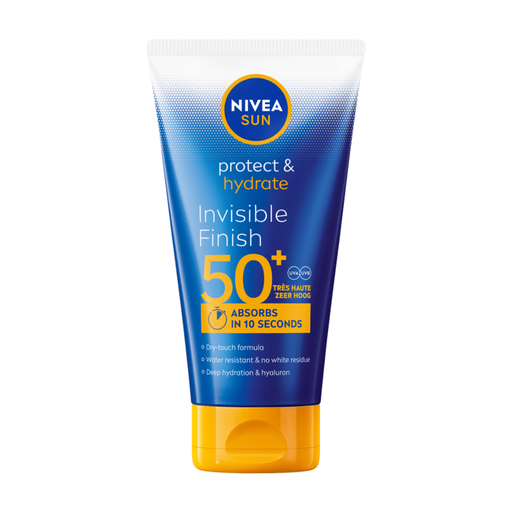
Why it suits this profile: A generous 150 ml pack and a formula that, according to the product description, absorbs quickly make this a practical choice for everyday use on the face and body.
The product information mentions a dry-touch texture, quick absorption and no white residue. The formula is water-resistant, but reapplication is still needed after swimming or drying yourself.
SPF 50+, UVA/UVB protection according to the product description, 150 ml capacity and a water-resistant formula.
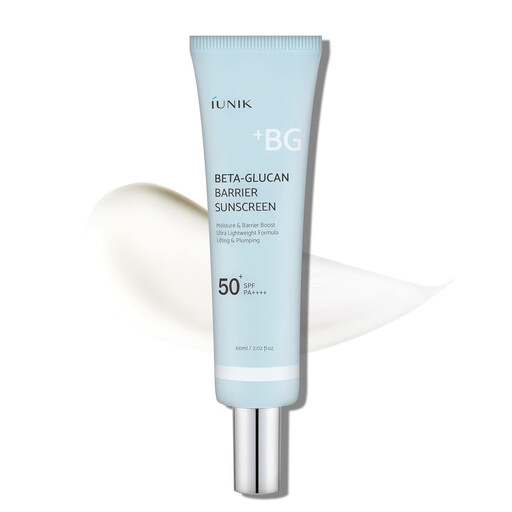
Why it suits this profile: This Korean sunscreen is designed for everyday use and, according to the product description, combines SPF 50+ with PA++++ and a moisturising formula.
The combination of a matte finish and “no white cast” in the product name addresses two common concerns. However, if you have sensitive skin, always check the full packaging and ingredients list.
SPF 50+, PA++++, a vegan claim in the product name and a formula for dry, oily and sensitive skin according to the product description.
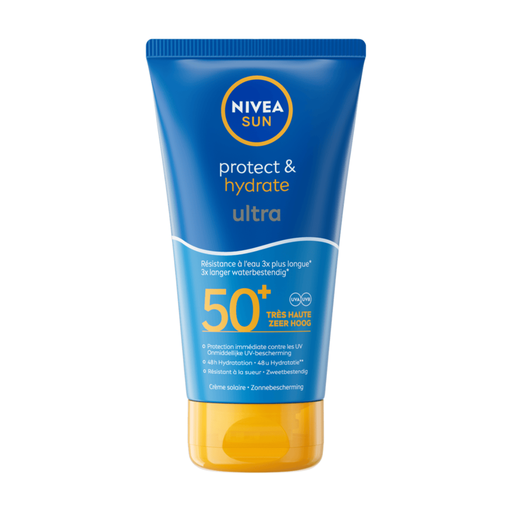
Why it suits this profile: For days at the beach, sports and other outdoor activities, a very water-resistant formula is important. According to the product description, this product is intended for more demanding conditions.
The product information states “very water resistant” and sweat resistance. This makes it more suitable for outdoor use than a regular everyday fluid, but reapplication is still essential.
SPF 50+, UVA/UVB protection, 150 ml capacity and a claim of three times longer water resistance compared with a conventional water-resistant product.
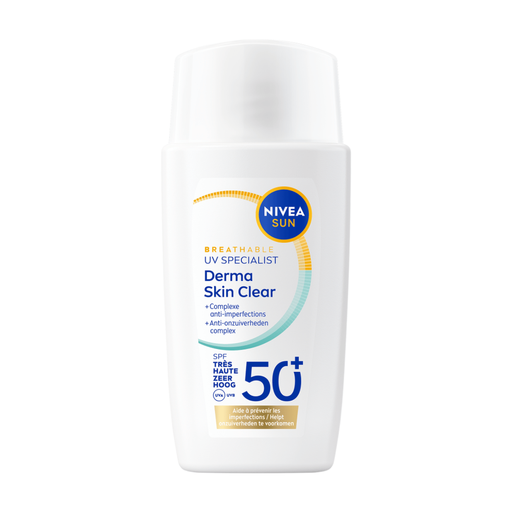
Why it suits this profile: According to the product description, the ultra-light fluid was developed for normal, oily and blemish-prone skin and can be used as a base under make-up.
The product description mentions a non-greasy texture, absorption of excess sebum and a matte finish. The claim of an eight-hour matte effect comes from the brand’s marketing.
SPF 50+, PA++++, niacinamide in the ingredients list, an ultra-light texture and suitability under make-up according to the product information.
We have put together a complete, up-to-date list of products that fully meet these strict selection criteria and the applicable European safety requirements.
Apply sunscreen as the final step in your skincare routine, before make-up. Use enough product for your face, ears and neck. Applying too thin a layer reduces the protection compared with the SPF stated on the packaging. Reapply during prolonged exposure, particularly after swimming, sweating or drying yourself.
Would you like to wear sunscreen under make-up? Choose a formula that absorbs quickly and does not feel sticky. Apply make-up only after your everyday sunscreen has absorbed. Waiting briefly can also help minimise issues such as pilling or shifting.
Yes, SPF 50 facial sunscreen is designed for everyday use when the formula feels comfortable and suits your skin type. Protection is particularly important during outdoor activities, but also on days with plenty of daylight. Always follow the instructions on the packaging.
During continued exposure, every two hours is a common guideline. Reapply sooner after swimming, sweating or drying yourself. Even water-resistant sunscreen is removed through friction and contact with water.
Look for a mattifying sunscreen for oily skin with a lightweight fluid texture, dry-touch finish or ingredients such as silica, tapioca starch and rice starch. Also check whether fragrance or alcohol denat. appears high up in the ingredients list if your skin is sensitive to it.
