
Vandaag of morgen in huis

Kwaliteit gegarandeerd

Welkomstaanbiedingen ontgrendelen: GRATIS bezorging | Tot 80% korting | Gratis 30 dagen JoyPlus-proefperiode
Download de app
Using SPF 50 sun cream for the face every day sounds simple, but products vary considerably in texture, UV filters, skin feel and size. A product that works well under make-up may look too shiny on oily skin. A mineral formula may leave a slight white cast. And a large bottle designed for the body is not always practical for daily use on the face.
So don’t just look for “SPF 50+” on the packaging. The following common pitfalls often lead to buying a facial sun cream that ends up unused in the cupboard.
SPF mainly indicates protection against UVB rays, which are one of the causes of sunburn. Information about UVA protection is also important for everyday protection. Look for a UVA logo, a statement such as PA+++ or PA++++, or the full product information.
A high SPF also cannot compensate for using too little product. Apply facial sun cream generously to your face and neck. Applying it too thinly reduces the level of protection.
A lightweight facial sun cream can feel comfortable on oily or combination skin, but dry skin may need extra hydration. Look for ingredients such as glycerine, panthenol, hyaluronic acid or squalane if you are looking for a hydrating sun cream.
Check the INCI list too. Alcohol denat. and fragrance are found in some lightweight formulas. This does not automatically mean that a product is unsuitable, but if you have sensitive skin, a patch test is advisable.
Terms such as “invisible finish”, “anti-ageing” or “suitable for sensitive skin” are not enough on their own to base your choice on. According to a brand’s own research, certain effects, such as hydration or a mattifying result, may have been measured under specific test conditions. Always check the product description, ingredients, contents and directions for use.
For everyday use, SPF 50+ facial sun cream is a practical choice when you are exposed to a lot of daylight. Also look for a clear UVA indication. PA++++ is a classification often seen on Korean SPF 50 sun cream products. European products generally use the UVA symbol or describe the UVA protection on the packaging.
No sun protection product makes it advisable to spend prolonged periods in the sun without taking extra precautions. Avoid intense sunlight where possible, seek shade and wear sunglasses or a hat.
Choose the texture based on your daily routine:
Apply the product as the final step in your morning skincare routine. Wait a short while before applying make-up to help prevent rolling or pilling.
For cycling, walking, visiting the beach or exercising, water-resistant sun cream is useful. Water-resistant does not mean that you remain protected indefinitely while swimming. Reapplying after swimming, sweating or drying yourself off is still necessary.
A 40 to 60 ml tube is convenient for daily use on the face. A 150 to 200 ml size is more practical for the face, neck and body, or when several family members are using the same product.
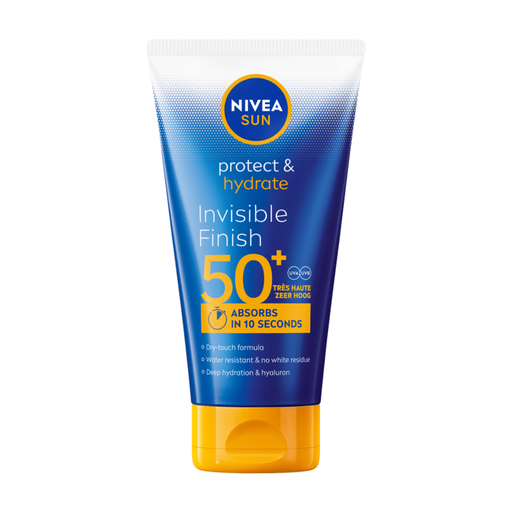
Why it suits this profile: The 150 ml bottle is practical for everyday use and suitable if you want to use one product for your face and body.
The product description mentions a dry-touch formula, quick absorption and no white residue. If you have sensitive skin, check the INCI list for fragrance and perfuming agents.
SPF 50+, water-resistant formula, glycerine and hyaluronic acid in the ingredients list, 150 ml contents.

Why it suits this profile: The milky texture and compact size are ideal if you are looking for a portable facial sun cream for travelling or touch-ups on the go.
The product information explicitly mentions a lightweight texture and water resistance. At 12 ml, however, the contents are limited, so it is less suitable as your only daily supply.
SPF 50+, milk texture, water-resistant according to the product description, convenient travel size.
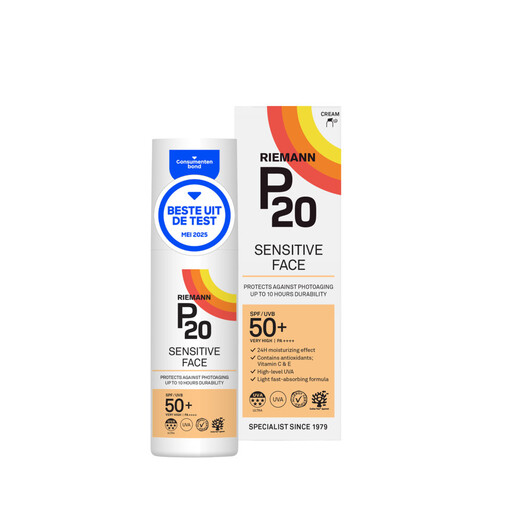
Why it suits this profile: The formula contains glycerine, panthenol, trehalose and squalane, among other ingredients, and is designed for use on the face.
The directions emphasise applying generously and reapplying after drying yourself off or heavy sweating. This places the focus not only on the SPF number, but also on using the product correctly.
SPF 50+, 50 g, panthenol, glycerine and squalane in the ingredients list, aimed at sensitive skin.
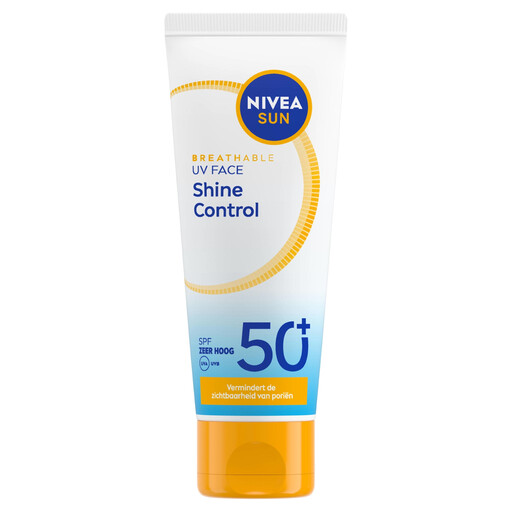
Why it suits this profile: The product description mentions a dry-touch finish, oil control and suitability as a base under make-up.
The product information provides specific details about a mattifying finish and quick absorption. According to NIVEA’s own research, the effect of Licochalcone A was measured at up to 87% in vitro; this is not a general promise about skin results.
SPF 50+, 40 ml, mattifying ingredients such as silica and tapioca starch, non-comedogenic formula according to the product description.
We have put together a complete, up-to-date list of products that fully meet these strict selection criteria and the applicable European safety regulations.
Use SPF 50 facial sun cream as the final step in your morning routine:
For children, a separate children’s formula is often more practical. The NIVEA SUN Kids Protect & Hydrate To Go SPF 50+, for example, has a compact 50 ml size and is described in the product information as extra water-resistant. When using products on children, always follow the age and safety information on the packaging.
SPF 50 is particularly practical when you spend a lot of time outdoors, burn easily or want to help prevent pigmentation marks. Your choice also depends on your skin type, the season and your level of exposure. UV rays can still be present on cloudy days. Apply enough product and do not rely solely on the SPF number.
Yes. Choose a lightweight formula that absorbs quickly and does not roll when applied. Products with a fluid or gel-like texture are often easier to apply in layers. Allow the sun cream a short time to set before applying foundation or concealer. Reapplying over make-up can be difficult, so plan your touch-ups for times when this is practical.
Check the symbol on the packaging, the expiry date and any instructions provided by the manufacturer. Store sun cream in a cool place away from direct sunlight. It is best not to use a product that has changed significantly in smell, colour or texture. Also replace it once the stated period after opening has passed.
