
Vandaag of morgen in huis

Kwaliteit gegarandeerd

Welkomstaanbiedingen ontgrendelen: GRATIS bezorging | Tot 80% korting | Gratis 30 dagen JoyPlus-proefperiode
Download de app
Daily protection for your face sounds simple: choose a product with SPF 50 and apply it. In practice, many people buy a face sun cream that feels too greasy, pills under make-up or isn’t reapplied after a few hours. Terms such as “water-resistant”, “anti-ageing” and “no white cast” can also give the wrong impression if you don’t check the full product specifications.
This buying guide will help you compare SPF 50 face sun creams based on skin type, texture, UVA and UVB protection, ease of use and product size.
SPF mainly indicates protection against UVB rays. So, also check whether the product states that it protects against both UVA and UVB. UVA rays are often linked to premature skin ageing and can contribute to visible pigmentation. A high SPF is no reason to overlook other protection information.
Korean sunscreens often also display the PA++++ rating. This is a separate indication of UVA protection within the classification system used. Always check the information on the product packaging and the current product page.
A lightweight sun cream with no white cast feels pleasant, but that can tempt you to use too little. A thin layer won’t necessarily provide the protection stated on the label. Apply the product evenly to your face, ears and neck. The product descriptions for several models recommend applying 15 to 30 minutes before sun exposure.
For everyday use, a texture you’re happy to apply generously is often more practical than a rich cream that you end up leaving mostly unused.
Water-resistant sun cream may withstand water, perspiration or swimming better, but protection still decreases through towel-drying, friction and prolonged exposure. You still need to reapply, especially after swimming, exercising or sweating. Always follow the instructions on the packaging.
Also, be aware of the difference between face sun cream and a body spray. A spray can be handy for your arms, legs and hard-to-reach areas, but take extra care around your eyes.
For adults who want to protect their face every day, SPF 50 or SPF 50+ is a sensible product category to consider. Also check whether the description states that it offers UVA and UVB protection. Products with SPF 50+ can still differ in texture, filter combination, finish and water resistance.
A matte or semi-matte finish can feel comfortable on oily or combination skin. A hydrating finish is often better suited to dry skin. “No white cast” is most relevant to formulas that dry clear; also check whether a product has a tone-up or colour-correcting effect.
Check the full ingredients list if you’re sensitive to fragrance, alcohol or certain UV filters. A fragrance-free sun cream for everyday use can be a practical choice if you prefer to avoid fragrance. You can try new products on a small area of skin first. Stop using the product if irritation occurs and follow the safety warnings on the packaging.
Claims about soothing, pigmentation, anti-ageing or skincare are made by the brand. For example, NIVEA states that Luminous630 visibly helps reduce pigmentation; this is information from NIVEA’s product description, not a guarantee for every skin type. Think of sun cream for pigmentation as part of your daily UV protection, not a substitute for personalised skincare advice.
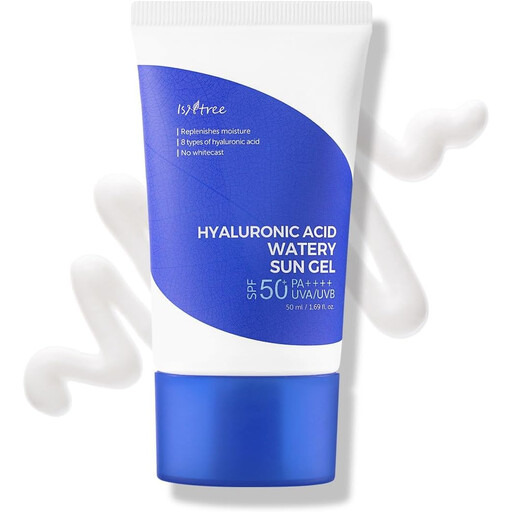
Why it suits this profile: The gel texture is designed for everyday use and is a good fit if you want a lightweight, non-sticky sun cream to wear under make-up or on its own.
The product description highlights quick absorption, an invisible finish and a non-greasy, non-sticky texture.
SPF 50+, PA++++, 50 ml and a formula with eight types of hyaluronic acid, according to the product information.

Why it suits this profile: The milk version is compact and, according to the product information, lightweight and water-resistant. It’s suitable for your face and other exposed areas.
Its stated water resistance makes it a more practical choice for active days than a product without this feature. You’ll still need to reapply it.
SPF 50+, lightweight milk texture, 12 ml and advice to reapply every two to three hours.
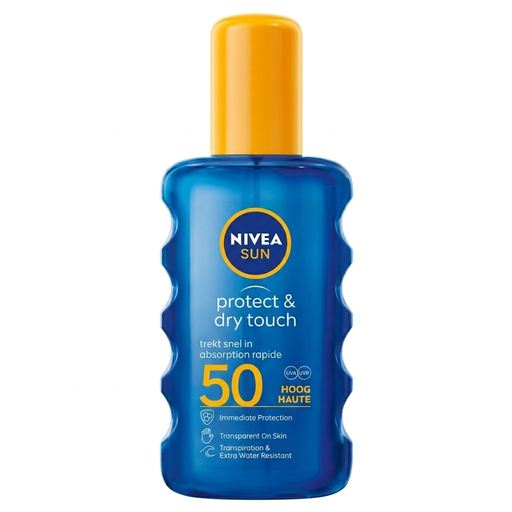
Why it suits this profile: The 200 ml spray is practical for sport, travel and larger areas of the body. According to NIVEA, its transparent formula absorbs quickly and is water-resistant.
The spray makes it easier to apply generously, but don’t spray it directly onto your face or around your eyes. If you use it on your face, spray it into your hand first.
SPF 50, UVA/UVB protection, 200 ml, transparent finish and, according to the product description, sweat-resistant and extra water-resistant.
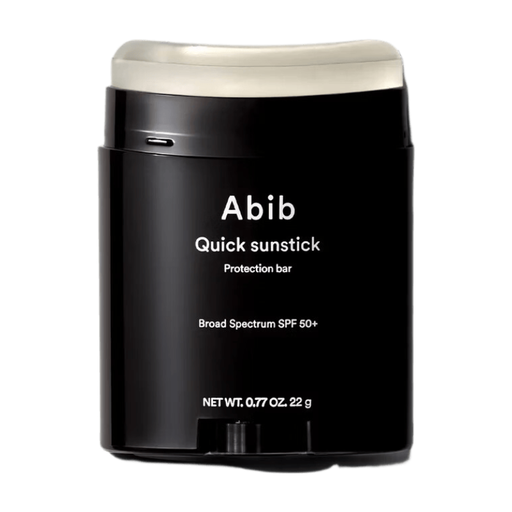
Why it suits this profile: This 22 g sunstick fits in a bag and, according to the product information, is designed for top-ups on the go, even over make-up.
The stick is an option for top-ups, not necessarily a replacement for an evenly applied base layer. Apply several strokes over all exposed areas.
SPF 50+, PA++++, water-resistant formula, semi-matte finish and no white cast according to the product description.
We’ve put together a complete, up-to-date list of products that meet these strict selection criteria and the current European safety requirements.
A common practical guideline is to reapply every two hours. Reapply sooner after swimming, sweating, towel-drying or a lot of friction. Always check the instructions for your specific product. Daily UVA and UVB protection can also be important on cloudy days when you’re outdoors.
Yes, several lightweight formulas are described as suitable for wearing under make-up. Let your skincare absorb for a short while first, then apply an even amount of sun cream. A gel, watery lotion or non-greasy sun cream is often less likely to feel heavy. Check that it doesn’t pill when combined with your primer and foundation.
Check the use-by information and batch number on the packaging. Store sun cream somewhere cool and out of direct sunlight, and close the packaging properly. If the smell, colour or texture changes, stop using the product. Take extra care with an opened product that has been stored somewhere warm for a long time.
