
Vandaag of morgen in huis

Kwaliteit gegarandeerd

Welkomstaanbiedingen ontgrendelen: GRATIS bezorging | Tot 80% korting | Gratis 30 dagen JoyPlus-proefperiode
Download de app
A facial sunscreen should feel comfortable enough to use every morning. Yet many people buy a product that ends up sitting on the shelf after just a few days. The texture feels too greasy, the cream leaves a white cast or the protection is not suitable for swimming and exercise.
When choosing SPF 50 sun cream for your face, the SPF rating and packaging are not the only important factors. Also consider the UV filters, skin-friendliness, water resistance, size and intended use.
SPF mainly refers to protection against UVB rays, which can cause redness, among other effects. UVA protection is also important for everyday sun protection. UVA rays penetrate deeper into the skin and are present all year round, including on cloudy days.
Therefore, check whether the packaging mentions UVA and UVB protection. With Korean sunscreens, you will also often see a PA rating, such as PA+++ or PA++++. For products sold in the Netherlands, also check the European product information and the UVA symbol.
A gel or fluid can feel comfortable on oily or combination skin, but may not feel moisturising enough on dry skin. Conversely, a rich sun cream can leave a shine or pill under make-up.
Look for ingredients that match your preferences:
Claims such as “soothing”, “anti-ageing” or “reduces pigmentation” should be viewed as product claims. A brand’s own research or the product description may mention certain ingredients in connection with these benefits, but results vary from person to person.
A water-resistant sunscreen is particularly relevant at the beach, while cycling, walking or exercising. Swimming, sweating and drying yourself reduce the layer applied. Reapplication remains necessary, even when a product is described as water-resistant or very water-resistant.
For everyday use in the Netherlands, a non-water-resistant facial sunscreen may be sufficient, provided you are not sweating heavily or swimming for long periods. For outdoor activities, choose a formula that clearly states its water resistance on the packaging.
SPF 50 or SPF 50+ is a sensible choice if you spend a lot of time outdoors every day, tan or burn quickly, or prefer a high protection factor. Protection only works when you use enough product. For the face and neck, approximately two finger lengths is often used as a practical guideline; always follow the instructions on the packaging.
Apply sunscreen as the final step in your morning routine, usually 15 to 30 minutes before exposure to the sun. Reapply approximately every two hours during prolonged exposure and after swimming, sweating or drying yourself.
None of these categories is automatically suitable for everyone. The best choice depends on your preferences regarding texture and finish, as well as your skin type and activities.
A 40 to 50 ml pack is practical for everyday use on the face and fits easily in a bag. A mini size, such as 12 or 15 ml, is handy for travelling or trying a product first. For the body or families, a larger bottle offers better value per millilitre, but check whether the texture is also comfortable for use on the face.
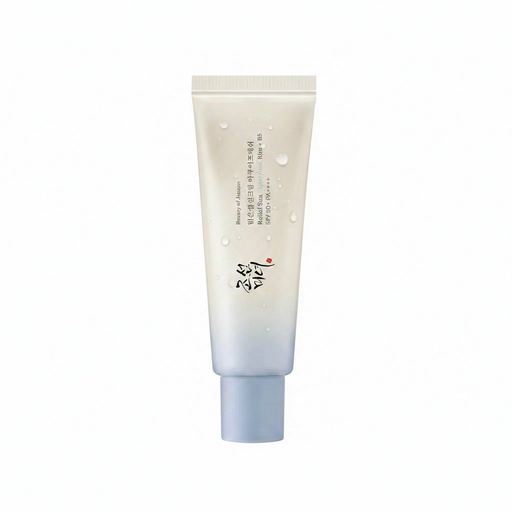
Why it suits this profile: A 50 ml size with SPF 50+ and PA++++ is practical for everyday use. According to the product description, the formula has a lightweight, moisturising texture and is fragrance-free.
The product information does not mention a white cast or sticky feeling. This makes it a practical option for anyone looking for an everyday sun cream that works well under make-up.
SPF 50+ PA++++, 50 ml, rice extract and panthenol according to the product information; fragrance-free and suitable for adults.

Why it suits this profile: The compact size is ideal for your handbag, holiday or trying out a Korean or Japanese sun protection routine for the first time.
The product description mentions a lightweight milk texture and water resistance. However, check the current packaging and instructions for use before buying.
SPF 50+, 12 ml, lightweight milk texture and water-resistant according to the product description.
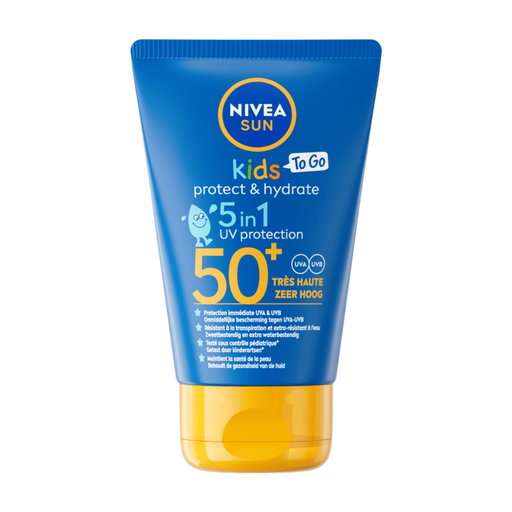
Why it suits this profile: The 50 ml size is easy to take along for children on day trips, holidays and outdoor play.
The product description mentions a very water-resistant formula and a compact size. Reapplication after swimming or drying yourself remains essential.
SPF 50+, UVA and UVB protection according to the product description, compact size and very water-resistant.
Do not use a product past its expiry date or if its smell, colour or texture has clearly changed. Store sunscreen in a cool place away from direct sunlight. For children, a product with clear age and usage information is more practical than a random adult facial sunscreen.
We have compiled a complete, up-to-date list of products that fully meet these strict selection criteria and the applicable European safety regulations.
Yes, facial sunscreen with SPF 50 can be used every day when the texture feels comfortable and suits your skin type. Apply enough and reapply during prolonged exposure. A dedicated facial sunscreen often has a lighter texture than a general body sun cream, but always check the product description.
Check the expiry information on the packaging. After opening, there may sometimes be an open-jar symbol showing a period, such as 12 months. Heat, direct sunlight and leaving the cap open can cause the formula to deteriorate more quickly. Store the product according to the manufacturer’s instructions.
This depends on the size, price and amount you use. A 40 to 50 ml product is practical for everyday use, while a mini size can be a cost-effective way to try a product first. Do not compare only the price per pack; also consider the quantity and how often you need to reapply when outdoors.
