
当日/次日达

品质保障

开启新人专享福利: 全场免邮 | 低至 2 折 | 免费试用 30 天 JoyPlus 会员
下载 Joybuy
SPF 50 sun cream for the face is designed for daily use, but not every formula feels the same. A product may offer a high level of protection on paper yet still be impractical because it leaves a white cast, feels greasy or stings around the eyes. Marketing terms such as “hydrating”, “anti-ageing” and “suitable for sensitive skin” only mean something once you have checked the ingredients, texture and directions for use.
In this buying guide, you will learn what to look for in SPF50+ facial sun cream, including Korean sunscreens, mineral formulas, water resistance and use under make-up.
SPF mainly relates to protection against UVB radiation. For protection against UVA radiation, you should also look for the wording UVA, a UVA symbol inside a circle or an additional rating such as PA+++ or PA++++. For products you use every day, always check the packaging and the latest product information.
UVA radiation is relevant during prolonged exposure, even on days when the sun does not seem particularly strong. A high SPF is therefore no reason to use less product or skip reapplication.
A gel, milk or “watery” sun cream may feel pleasant on the skin, but that does not mean the formula is suitable for swimming or heavy perspiration. Products such as Anua Heartleaf Silky Moisture Suncream are explicitly described as not water resistant. For cycling, walking, exercise or a day by the water, look specifically for “water resistant” or “very water resistant” on the packaging.
Niacinamide, rice extract, centella, hyaluronic acid and Q10 may sound appealing. However, sun cream remains useful above all when you apply enough of it and the formula is comfortable enough for everyday use. Claims about reducing pigmentation, wrinkles or redness are brand claims and should not automatically be taken as guaranteed results. A brand’s own research may report certain effects, but your skin may respond differently.
For everyday facial protection, many consumers choose SPF 50 or SPF 50+. Also look for the UVA rating. With Korean sunscreens, you will often see PA++++, while European packaging may also use a UVA symbol.
Apply sun cream as the final step in your morning routine, after serum and moisturiser. Use a generous amount for your face and neck. During prolonged exposure, reapplication is generally needed after around two hours, and sooner after swimming, sweating or towelling dry. Always follow the instructions on the packaging.
A sunscreen worn under make-up should spread evenly and should not pill. Allow your skincare to sink in briefly, then apply the sun cream in a thin, even layer. Product descriptions for Beauty of Joseon and, among others, mention use under make-up, but the final result depends on your foundation, primer and skincare products.

Why it suits this profile: The cream is designed for daily use and, according to the product information, offers SPF50+ and PA+++. The 50ml packaging is practical for a consistent morning routine.
The product description mentions a lightweight texture without a white cast or sticky feeling. However, check that the formula works well with your make-up.
50 ml; SPF50+; rice extract and ferments are listed in the ingredients; fragrance-free according to the product specifications.

Why it suits this profile: The compact milk formula is convenient for anyone looking for a high-factor skincare product that is easy to carry in a bag.
The product information states that it has a lightweight texture and is water resistant. However, the 12 ml packaging contains less product than a standard 50 ml tube.
SPF50+; milk texture; 12 ml; according to the product description, suitable for reapplication after sweating or swimming.
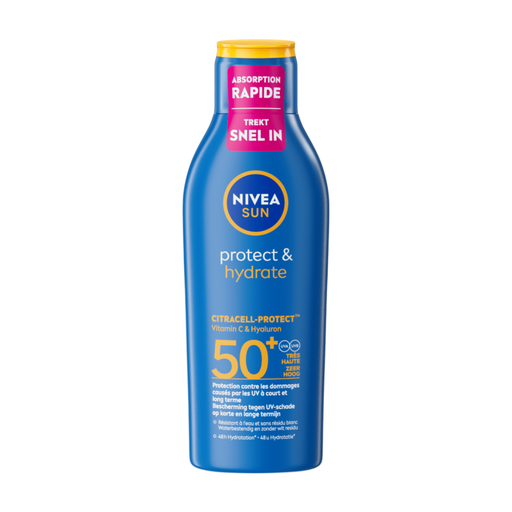
Why it suits this profile: The large bottle is suitable for people who regularly apply sun cream to their face, neck and other exposed areas of skin.
The product description mentions UVA/UVB protection, a lightweight formula and water resistance. However, the product contains fragrance and denatured alcohol, so check that it suits your skin.
SPF50+; 200 ml; glycerine and hyaluronic acid are listed in the ingredients; designed for broad application.
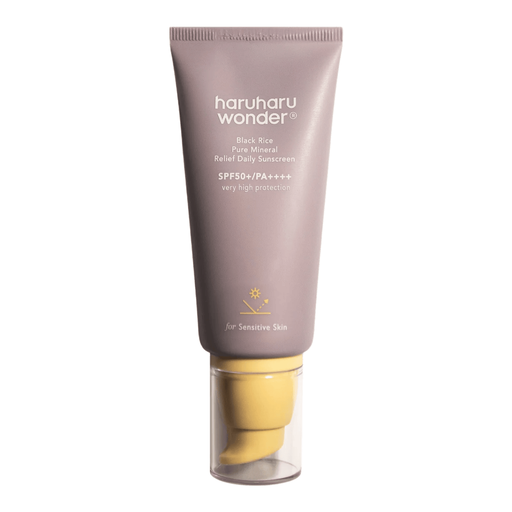
Why it suits this profile: This mineral sunscreen uses zinc oxide as a UV filter and contains ceramide NP, glycerine and hyaluronic acid, among other ingredients, according to the ingredients list.
The product information warns that zinc oxide may cause a slight white cast. It is therefore important to blend it in well; if you would rather avoid this, consider a non-mineral formula.
Mineral formula with zinc oxide; 50 ml; fragrance is not listed in the ingredients provided; reapplication after two hours is mentioned.
We have put together a complete, up-to-date list of products that fully meet these strict selection criteria and the applicable European safety regulations.
Use a generous amount for your face and neck. A practical guideline is around two finger lengths of product for your face and neck together, unless the packaging gives different instructions. Applying too little reduces the level of protection stated on the label.
Yes. Choose a formula that absorbs quickly and does not pill. Apply your skincare first, wait briefly and spread the sun cream evenly. Allow the product a moment to set before applying make-up. With a mineral sunscreen, the finish may be more noticeable.
During prolonged exposure, reapplying every two hours is often recommended. Reapply sooner after swimming, sweating, towelling dry or vigorous rubbing. A lightweight sun cream for everyday use is particularly convenient when you can repeat this step effortlessly.
