
Vandaag of morgen in huis

Kwaliteit gegarandeerd

Welkomstaanbiedingen ontgrendelen: GRATIS bezorging | Tot 80% korting | Gratis 30 dagen JoyPlus-proefperiode
Download de app
The shelves are packed with tubes, bottles, and sprays, all promising sun protection. But how do you choose the right SPF 30 sunscreen without falling for marketing ploys? Many products look similar, but the details make all the difference between effective protection and a wasted purchase. We often see consumers spending money on products that don't suit their lifestyle, feel sticky, or make false promises.
Before you make a choice, it's wise to know the most common pitfalls:
To make a smart choice, you don't need to decipher complex ingredient lists. Just focus on a few key points that determine whether a product is right for you.
The SPF (Sun Protection Factor) value on a bottle, such as SPF 30, primarily indicates the level of protection against UVB rays. These are the rays that cause sunburn. Equally important is protection against UVA rays, which penetrate deeper into the skin and contribute to skin aging and other long-term damage.
A good sunscreen offers 'broad-spectrum' protection. In Europe, you can recognise this by the UVA logo: a circle with the letters 'UVA' inside. This guarantees that the UVA protection is at least one-third of the stated UVB protection (the SPF value), in line with EU recommendations.
The effectiveness of a sunscreen largely depends on how pleasant it is to use. Texture plays a major role in this.
Many sunscreens offer additional benefits. It's useful to know what these claims mean in practice.
Not everyone needs the same sunscreen. Your choice depends on your skin type, activity, and personal preference. Here are a few options that cater to specific needs.
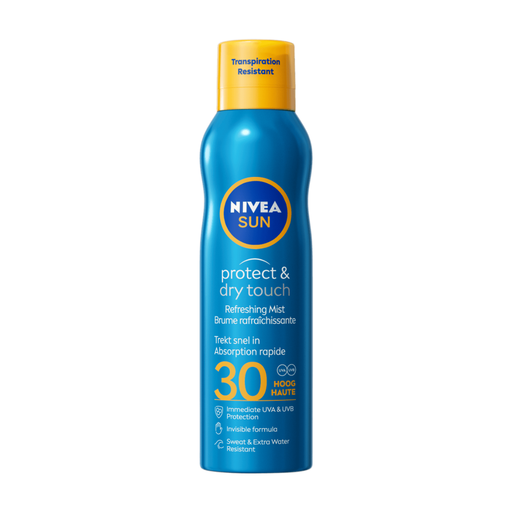
Why This Fits Their Persona: Ideal for those who dislike sticky hands or a greasy feeling during sports. The spray application is fast, and the formula is designed to absorb instantly, so you can get right back to your activity.
This mist is a transparent sunscreen that avoids the 'non-sticky disappointment'. The formula is lightweight, leaves no white cast, and is sweat- and water-resistant.
The formula is 100% transparent and absorbs quickly. The spray bottle makes application on the entire body, including the back, incredibly easy.
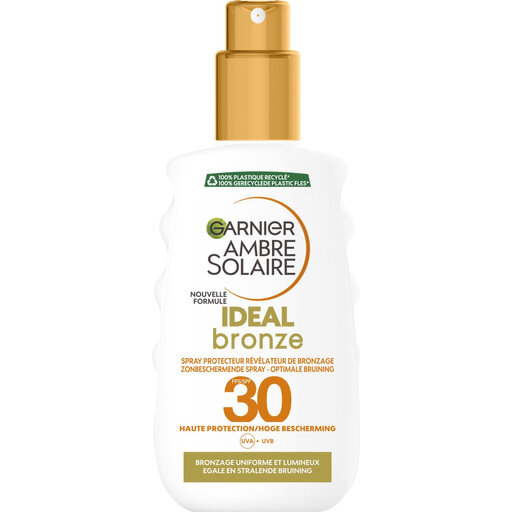
Why This Fits Their Persona: For those who want to combine protection with achieving a natural, even tan. This product is specifically designed for people who enjoy sunbathing and want to support their tanning process.
This product sidesteps the 'quick tan' pitfall by being clear: it contains no self-tanner. According to Garnier, the formula enhances the natural tanning process while providing full UVA/UVB protection.
Combines SPF 30 protection with a formula that hydrates the skin and supports an even, long-lasting tan. The texture is non-greasy and water-resistant.
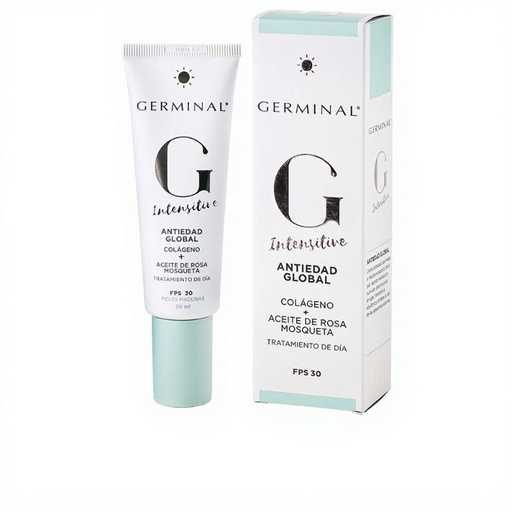
Why This Fits Their Persona: Perfect for those seeking an all-in-one product for daily use. This cream combines hydration, anti-aging properties, and sun protection, making it a practical choice as a sunscreen for the face.
This product eliminates the need to apply multiple layers, which often leads to a sticky feeling. As a day cream with SPF 30, its texture is designed to blend seamlessly with the skin without leaving a white cast.
Combines daily skincare with broad-spectrum SPF 30. According to the manufacturer, the formula contains ingredients like collagen and rosehip oil to improve elasticity.
A good sunscreen is a personal choice. Whether you're looking for a lotion, a spray, or a special formula for your face, there's always a product that's right for you. Browse our full range to find your perfect match.
The general guideline is about two tablespoons (approx. 35 ml) for an adult's entire body. For the face and neck, an amount the size of a teaspoon is recommended. Applying too little significantly reduces the protection factor. Don't forget to reapply every two hours, and more frequently after swimming, sweating, or towel-drying.
Most sunscreen products have a period-after-opening (PAO) symbol on the packaging, often a small jar icon with a number inside (e.g., '12M'). This number indicates how many months the product is good for after opening. If your bottle from last summer is still nearly full and within its PAO period, it's usually still safe to use. However, always check the smell, colour, and texture. If any of these have changed, it's time for a new one.
For most people and situations, SPF 30 provides sufficient protection, provided it is applied correctly and generously. SPF 30 blocks about 97% of UVB rays, while SPF 50 blocks about 98%. The difference in protection is therefore relatively small. SPF 50 is often recommended for people with very fair or sensitive skin, in conditions of high sun intensity (like in the mountains or tropics), or for children. However, the most important thing remains consistent and sufficient application of the product.
