
Vandaag of morgen in huis

Kwaliteit gegarandeerd

Welkomstaanbiedingen ontgrendelen: GRATIS bezorging | Tot 80% korting | Gratis 30 dagen JoyPlus-proefperiode
Download de app
A bottle of SPF 30 sunscreen might seem simple to choose – until you’re comparing options in-store or online. Are you looking for an SPF 30 sun cream for daily use, an SPF 30 sun lotion for your body, or a spray for the beach? Texture, ingredients, water resistance and ease of use all make a real difference in practice.
Also pay attention to marketing claims. A product labelled “bronze”, “hydrating” or “waterproof” isn’t automatically right for your skin or your intended use. Below are the key points to check, along with some popular choices based on the available product specifications.
SPF 30 only delivers the stated level of protection when you use enough product. Applying too little sunscreen significantly reduces protection. For an adult, around 30 to 35 ml for the whole body is often recommended as a guideline – roughly the size of a small shot glass. Always check the instructions on the packaging.
Apply sunscreen approximately 15 to 20 minutes before sun exposure, unless the packaging states otherwise. Reapply regularly, especially after swimming, sweating or towel drying.
In the European cosmetics industry, the term water-resistant sunscreen is most commonly used. This doesn’t mean the product continues to offer the same level of protection after swimming or towel drying. Even with a water-resistant SPF 30 sun cream, reapplication is still necessary.
A spray can be handy for arms, legs and your back, but make sure you’ve applied enough product everywhere. A lotion often makes it easier to see and spread an even layer.
Products with a tan-enhancing claim sometimes contain an ingredient such as pro-melanin extract. According to NIVEA’s own product information, this is intended to support the natural tanning process, and the Protect & Bronze formula contains no self-tanner. That doesn’t mean spending longer in the sun is safe.
So a sunscreen with a tan accelerator is still an SPF 30 sunscreen: avoid prolonged exposure, seek shade and use additional protection such as clothing and a sun hat.
SPF mainly refers to protection against UVB radiation, which contributes to sunburn. Also look for an explicit indication of UVA UVB sun protection, such as the UVA symbol on the packaging. Some products include additional information like PA+++ or PA++++.
The product information for the selected items mentions protection against UVA and UVB for several variants. Check the packaging on arrival for the most up-to-date and complete information.
Do you have sensitive skin? Then check the full ingredients list. Fragrances, alcohol and certain preservatives may be less suitable for some people. “Dermatologically tested” is a product claim and not a guarantee that every skin type will tolerate the product without issue. If in doubt, test a small amount first.
Don’t just compare the price – also compare the volume. A 200 ml bottle can be more economical for the body, while 20, 35 or 50 ml is handy for a handbag or daily facial care. A product with a spray nozzle can be quicker to apply, but product can be lost in windy conditions.
Store sunscreen in a cool place out of direct sunlight. Check the expiry date and batch number on the packaging. Don’t use a product whose smell, colour or consistency has clearly changed.
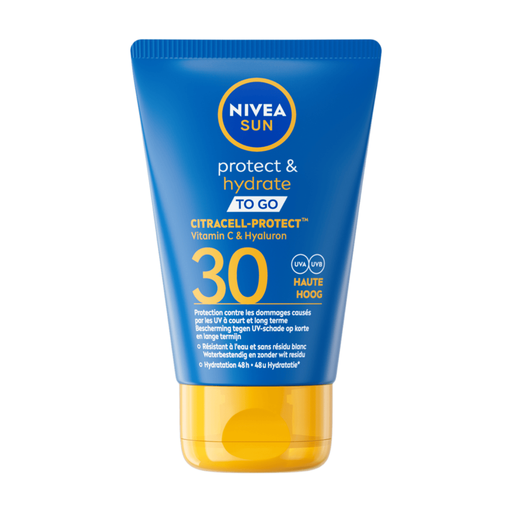
Why this fits the profile: The 50 ml packaging is easy to take with you for daily use, a trip to the pub garden or a short outing.
The compact size makes it easier to reapply. According to the product information, the formula is water-resistant; reapplication is still needed after swimming or towel drying.
SPF 30, UVA/UVB protection according to the product description, glycerine and hyaluronic acid in the ingredients list, 50 ml volume.
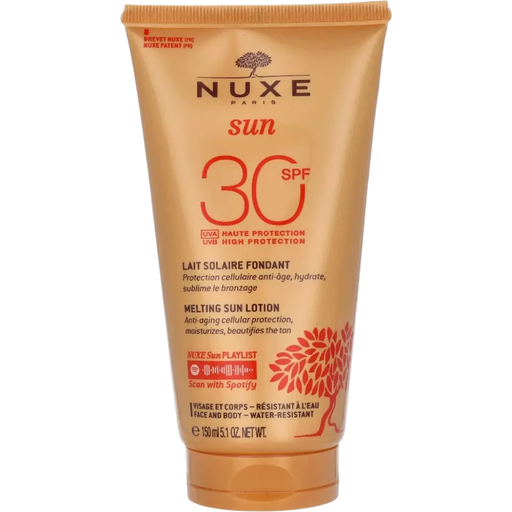
Why this fits the profile: This lotion is designed for face and body and combines SPF 30 with a light, non-greasy texture.
The product details state it can be used on both face and body. The water-resistant formula doesn’t mean you can skip reapplying after swimming and towel drying.
150 ml, SPF 30, UVA/UVB protection, water-resistant and, according to the product information, vegan and paraben-free.
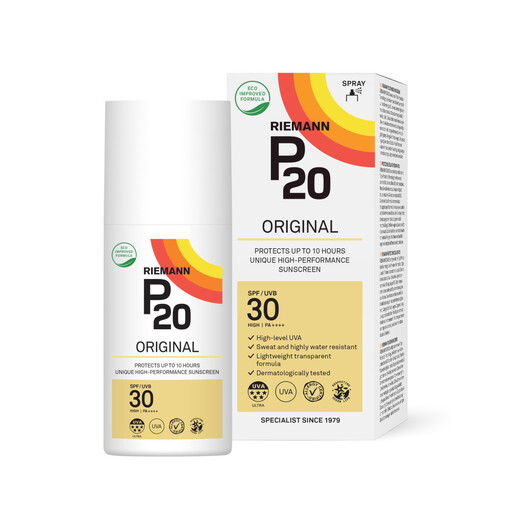
Why this fits the profile: The spray format and instructions to apply before sun exposure make it ideal for beach days, outdoor activities and regular use on the body.
The usage instructions recommend applying generously and evenly, 15 minutes before sun exposure, and reapplying after towel drying, swimming or heavy sweating.
175 ml spray, SPF 30, ingredients list with UVA and UVB filters and clear safety instructions for use.
We’ve put together a full, up-to-date list of products that fully meet these strict selection criteria and comply with current European safety regulations.
It can be, as long as the product suits your skin and you apply enough. For prolonged exposure, a beach holiday or intensive outdoor activities, reapplication, protective clothing and shade are important. For young children, a higher factor is recommended in the product information provided.
Check the expiry date or the period-after-opening information on the packaging. Store the sunscreen out of direct sunlight and away from extreme heat. If a product smells different, has separated or changed colour, it’s best not to use it.
An SPF 30 sun oil usually has a smoother, silkier texture and can be pleasant on the body. A lotion or milk is often easier to see and spread evenly. For the face, a gel or light cream may be more comfortable. The SPF and UVA/UVB labelling remain more important than the format alone.
