
Vandaag of morgen in huis

Kwaliteit gegarandeerd

Welkomstaanbiedingen ontgrendelen: GRATIS bezorging | Tot 80% korting | Gratis 30 dagen JoyPlus-proefperiode
Download de app
SPF 30 sunscreen is ideal for daily use, a day on the patio or a walk. Yet the difference between products is significant. A body spray works differently from a face day cream, while an SPF 30 sun oil has a different texture and application altogether.
Pay particular attention to three common pitfalls:
SPF 30 is a specific protection factor, but also look for a mention of UVA and UVB protection. UVA radiation is linked to premature skin ageing, while UVB radiation plays a key role in redness and sunburn. Product information should clearly state what the product is intended for.
An SPF 30 day cream can be practical for commuting and short spells outdoors. For a beach day or a long bike ride, a dedicated SPF 30 face sunscreen or an all-over body and face product is often more sensible. Apply generously and always follow the instructions on the packaging.
Dry skin often benefits more from a hydrating sunscreen or a nourishing day cream with ingredients such as glycerine, hyaluronic acid, argan oil or shea butter. Oily or combination skin may prefer a light, fast-absorbing formula with a less shiny finish.
Also check for fragrances and alcohol in the ingredients list if you have sensitive skin. A product that the manufacturer claims is dermatologically tested is not automatically suitable for everyone. Stop using it if irritation occurs and avoid contact with the eyes.
For swimming, sports and holidays, a water-resistant sunscreen can be handy. Water-resistant does not mean reapplication is unnecessary. Reapply after swimming, towel-drying and heavy sweating.
An SPF 30 sunscreen spray spreads quickly over larger body areas, but check that all zones are covered. A lotion or sun milk often gives more control during application. A spray should not be used directly on the face unless the packaging states it is suitable.
An SPF 30 sun oil generally feels smooth and can give a glossy finish. This type of product is not the same as a self-tanner. According to some brands' product descriptions, a formula with pro-melanin extract may support the natural tanning process; that is a brand claim and does not replace carefully applied UV protection.
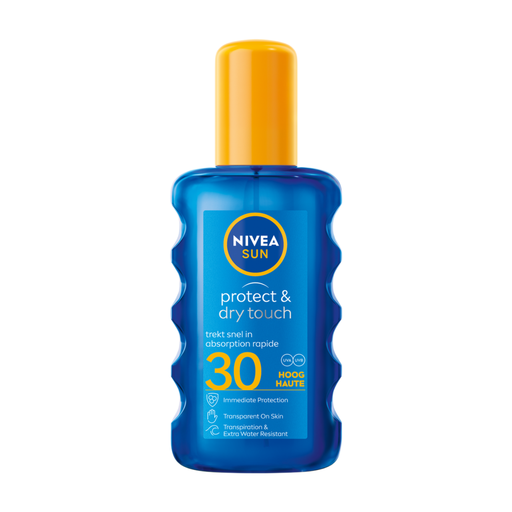
Why this fits the profile: The 200 ml spray is practical for daily use on arms, legs and shoulders. According to the product description, the transparent formula is water-resistant and absorbs quickly.
The product information states SPF 30, transparent application and water resistance. This makes the key features verifiable upfront; reapplication is still required.
200 ml volume, spray format, no white cast according to the manufacturer and a fast-absorbing texture.
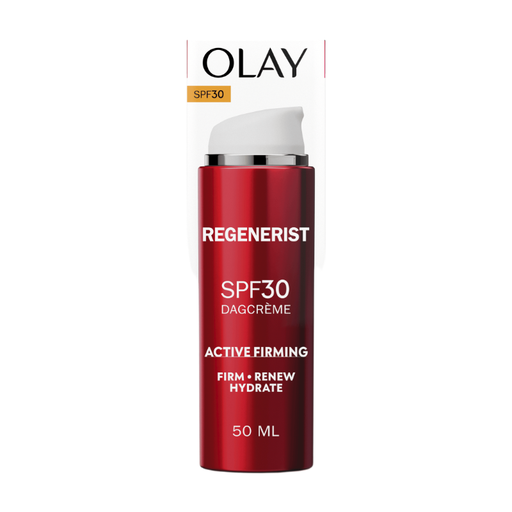
Why this fits the profile: This face cream combines daily skincare with SPF 30. According to the ingredients list, the formula includes glycerine, niacinamide, panthenol and aminopeptides.
The SPF value and application to the face and neck are clearly described. The cream is intended as a morning skincare product, but for prolonged exposure a separate sunscreen may be more practical.
Facial skincare in a 50 ml pack, with SPF 30 and a formula that, according to the product description, absorbs quickly.
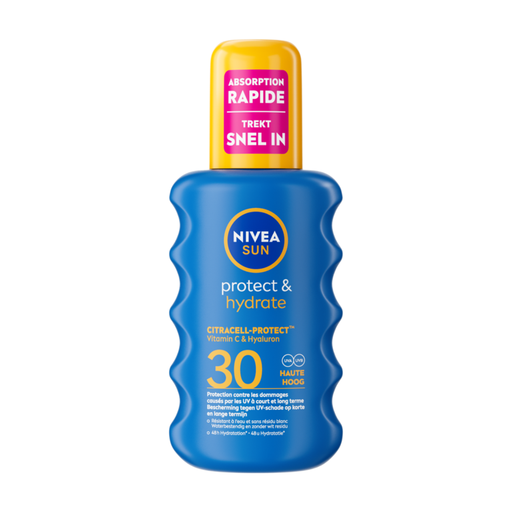
Why this fits the profile: For cycling, walking, sports or a day outdoors, the spray format offers quick application over larger body areas. According to the product information, the formula contains vitamin C, hyaluronic acid and vitamin E.
The manufacturer states water resistance and a light texture. The claim of 48-hour hydration is based on an instrumental test with 43 volunteers; this is not a guarantee for every user.
200 ml spray, SPF 30, mention of UVA/UVB protection and hydrating ingredients.
We have compiled a full, up-to-date list of products that fully meet these strict selection criteria and comply with current European safety regulations.
Yes, for many everyday situations SPF 30 is a practical choice. Consider commuting, running errands or going for a walk. With prolonged exposure, strong sun or fair skin, careful and regular application is especially important. Also cover your skin with clothing where possible and seek shade.
Reapply after swimming, towel-drying and heavy sweating. Even without these activities, it is wise to reapply if you are staying outdoors for a longer period. Always follow the exact instructions on the packaging. Water-resistant sunscreen does not remain effective indefinitely.
An SPF 30 day cream can be handy for the face during short daily exposure. For a beach day, sports activity or prolonged time outdoors, a separate sunscreen product is often more suitable, because you typically use a more generous amount of it. Choose a product with clearly stated UVA and UVB protection and apply it evenly.
