
Vandaag of morgen in huis

Kwaliteit gegarandeerd

Welkomstaanbiedingen ontgrendelen: GRATIS bezorging | Tot 80% korting | Gratis 30 dagen JoyPlus-proefperiode
Download de app
Choosing SPF 30 sunscreen might seem straightforward at first glance. Yet SPF 30 sun cream and SPF 30 sun lotion differ significantly in texture, volume, ingredients and intended use. A light face cream, for example, isn’t always practical for your arms and legs, while a large body lotion can be awkward for daily use in your bag.
Marketing claims can also be confusing. So it’s best to focus on verifiable information on the packaging and in the product description.
A water-resistant sunscreen may, according to the product information, stay on better during swimming or sweating. That doesn’t mean you only need to apply it once. Water, towels and perspiration all reduce the layer you’ve applied. Reapplication is still necessary, especially after swimming or drying off.
A high protection factor on the packaging only means something if you use enough product. Vision’s usage instructions recommend around 35 ml per adult for each full application. If you use much less, you won’t automatically get the level of protection stated on the label.
Apply SPF 30 sunscreen generously and evenly, ideally 15 to 20 minutes before sun exposure if the packaging advises this. Don’t forget your ears, neck, shoulders, hands and the tops of your feet.
A hydrating sunscreen, natural tanning effect or fast absorption can be nice, but it doesn’t replace the basics. First, check:
If you have sensitive skin, it’s wise to check the ingredients list and try the product on a small patch of skin first. Stop using it if irritation occurs.
SPF mainly refers to protection against UVB radiation, which is linked to redness and sunburn. UVA radiation penetrates the skin differently. So don’t just look for “SPF 30” – also look for an explicit indication of UVA protection or the UVA symbol on the packaging.
The products in this selection mention UVA and UVB protection in their product information, but always check the packaging of the variant you receive. For babies and young children, Vision’s product information recommends a higher factor, such as SPF 50. Also avoid prolonged exposure and the strongest sun hours.
A sun lotion is usually suitable for larger body areas. A cream or milk can be pleasant for dry or normal skin, while a light formula is better for those who don’t want a heavy or sticky feel.
When it comes to sunscreen for face and body, consider practical use. A 50 ml face product is compact and handy for your daily routine, but less economical if you also want to cover both legs with it. For the body, packs of 150 to 200 ml make more sense.
For oily skin, a light, non-sticky or mattifying formula may feel more comfortable. For dry skin, ingredients like glycerine, hyaluronic acid or nourishing oils could be appealing. That doesn’t automatically mean every hydrating sunscreen feels the same for everyone.
Claims about skin feel, hydration or a tanning effect should be read in the right context. For example, NIVEA states that Protect & Hydrate provides hydration for up to 48 hours, based on an instrumental test with 43 volunteers. That’s a claim from the brand under those specific test conditions, not a guarantee for every user.
NIVEA Protect & Bronze mentions a pro-melanin extract and no self-tanner, according to the product description. The brand describes this as supporting the natural tanning process. If you’re specifically looking for sunscreen with a natural tanning effect, you can consider this product, but it doesn’t replace careful application habits.
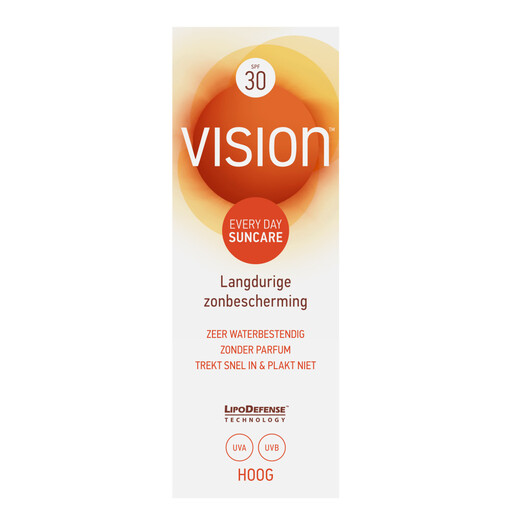
Why this fits the profile: The 90 ml pack is manageable for daily use and short trips, without having to buy a large bottle straight away.
The usage instructions recommend generous application and regular reapplication, so you don’t rely solely on the SPF 30 number.
90 ml pack, UVA and UVB protection according to the product information, and instructions for use before sun exposure.
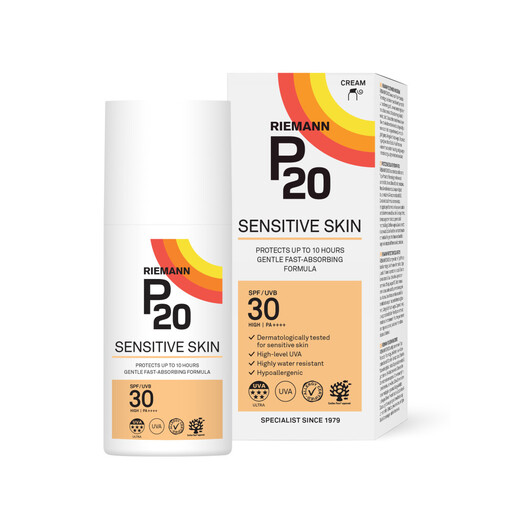
Why this fits the profile: The lotion combines a 200 ml pack with a product positioning for sensitive skin and clear instructions for generous application.
The instructions emphasise even and careful application, and reapplying after drying off or heavy sweating.
200 ml pack, glycerine in the ingredients list, and a formula that, according to the product information, is aimed at sensitive skin.
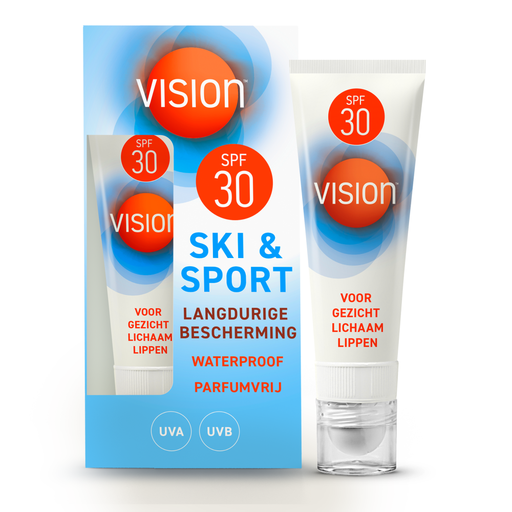
Why this fits the profile: The mini 20 ml size is practical for a sports bag, coat pocket or a short outdoor activity where you want to reapply quickly.
The small size makes reapplying on the go easier. The instructions also mention reapplying after swimming, sweating or drying off.
20 ml pack, sport variant and UVA and UVB protection according to the product information.
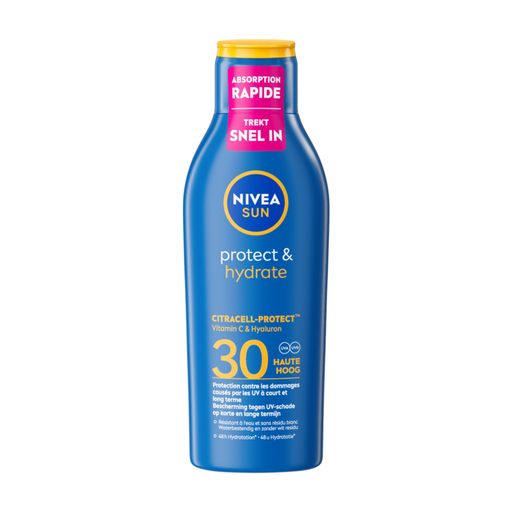
Why this fits the profile: The sun milk is intended for face and body and contains, according to the ingredients list, glycerine and sodium hyaluronate among others.
The product description mentions a light formula, easy spreading and water resistance. Reapplication is still needed after swimming or drying off.
200 ml pack, UVA and UVB protection according to the product information and a water-resistant formula.
We’ve put together a full, up-to-date list of products that fully meet these strict selection criteria and comply with current European safety regulations.
SPF 30 can be suitable for adults who expect normal daily sun exposure, provided you apply enough and reapply regularly. The level of protection needed also depends on your skin type, location, season and how long you spend in the sun. For children and situations with intense exposure, a higher factor may be recommended; follow the label and professional advice.
Check the expiry date or the symbol on the packaging. Heat, direct sunlight and frequent opening can affect a product’s quality. Don’t use sunscreen that smells noticeably different, has changed colour or has altered in texture.
You can, if the product information mentions both areas of use and the texture feels comfortable. A body lotion is often better value per millilitre, while a face sunscreen may be more compact or lighter. Pay extra attention to fragrance and ingredients that have irritated your skin before when using it on your face.
