
Vandaag of morgen in huis

Kwaliteit gegarandeerd

Welkomstaanbiedingen ontgrendelen: GRATIS bezorging | Tot 80% korting | Gratis 30 dagen JoyPlus-proefperiode
Download de app
At first glance, choosing an SPF 30 sunscreen seems straightforward. However, formulas vary greatly in texture, quantity, water resistance, and suitability for the face or body. A cheap bottle that barely gets used because it feels sticky is ultimately not a good buy.
The most common pitfalls:
SPF 30 primarily refers to protection against UVB radiation, which contributes to redness and sunburn. Also check whether the packaging states UVA protection. For daily use, a product with both UVA and UVB protection is a practical choice.
SPF 30 does not provide a complete block of sunlight. Apply the SPF 30 sunscreen generously and evenly before going outside. The Vision product information advises approximately 35 ml per adult per application and reapplication after about two hours, swimming, sweating, or towel-drying. Always follow the instructions on the packaging.
Choose the format based on how you’ll use it:
Also consider the quantity. A 180 to 200 ml bottle is handy for repeated use on the body. A 50 ml tube is more compact and better suited to a daily-use sunscreen for the face and neck.
Sensitive skin requires not just an SPF number, but also a check of the ingredients list. Look out for perfume, fragrance allergens, alcohol, and known personal allergies. “Dermatologically tested” is a verifiable product claim, but not a guarantee that every skin type will tolerate the product.
P20 Sensitive SPF 30, for example, lists no perfume in the supplied ingredients list and contains glycerine and oils. This can be appealing for those seeking a sunscreen for sensitive skin, but if in doubt, test a new product on a small area of skin first. Stop if irritation occurs and consult a doctor if symptoms persist.
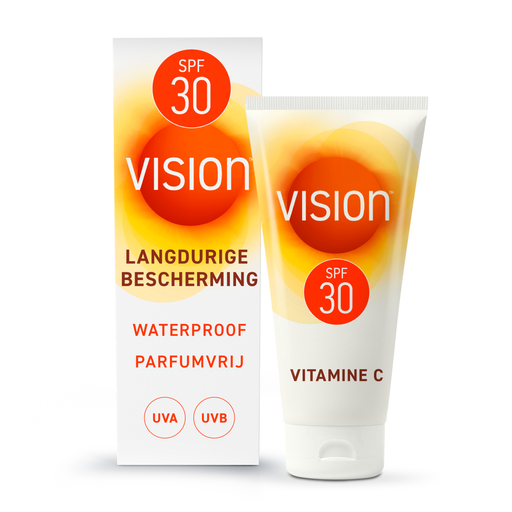
Why this fits the profile: A simple lotion with 180 ml content for adults looking for one product for regular body use.
The lotion format makes measuring and rubbing in more straightforward than a quick spray. The product information states UVA and UVB protection and recommends reapplication.
180 ml content; glycerine listed in the ingredients; usage advice mentions approximately 35 ml per adult.
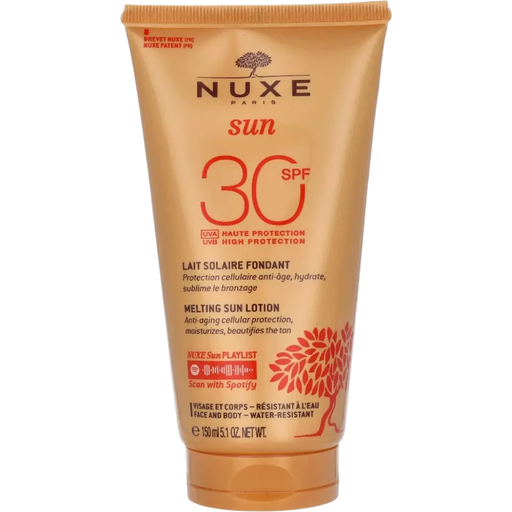
Why this fits the profile: For those wanting a lotion for face and body with a nourishing texture and a refined finish.
The product description mentions a non-greasy, water-resistant lotion for face and body. If you have sensitive skin, do check the perfume and fragrance allergens on the label.
150 ml tube; according to the product information, water-resistant, vegan and paraben-free; contains glycerine.
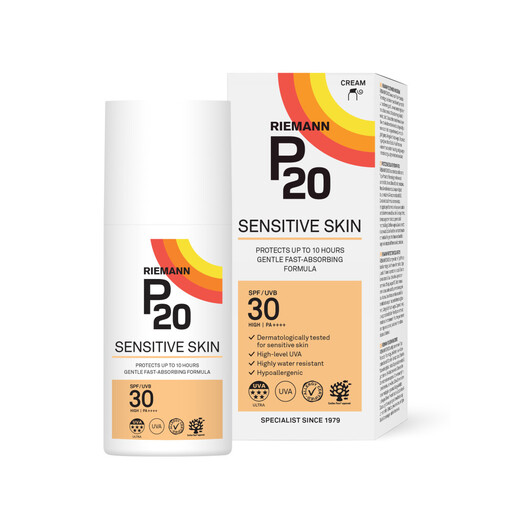
Why this fits the profile: For outdoor activities where you want a large bottle and a formula with no perfume in the supplied ingredients list.
The lotion helps prevent you from applying too sparingly due to a small bottle. The manufacturer advises reapplication after towel-drying or heavy sweating.
200 ml content; glycerine and canola oil in the ingredients list; product information positions the formula for sensitive skin.
We’ve put together a full, up-to-date list of products that fully meet these strict selection criteria and comply with current European safety regulations.
That depends on your skin type, the UV index, the duration of exposure, and the amount you apply. For many adults, SPF 30 sunscreen can be a practical choice for daily use. Avoid prolonged direct sunlight, seek shade, and follow the advice on the packaging. For young children, the product information for several of the mentioned products recommends a higher factor.
The Vision and P20 product information mentions approximately 35 ml per adult per application for the body. For the face alone, less is needed, but do apply generously and evenly. Too little product significantly reduces protection. Reapply after swimming, sweating, and towel-drying, even with a water-resistant sunscreen.
Check the expiry date and the period-after-opening symbol on the packaging. Store the bottle or tube in a cool place away from direct sunlight. If a product smells different, has changed colour, or feels different, it’s best not to use it. The exact shelf life varies by product and is not always stated separately from the production date.
