
Vandaag of morgen in huis

Kwaliteit gegarandeerd

Welkomstaanbiedingen ontgrendelen: GRATIS bezorging | Tot 80% korting | Gratis 30 dagen JoyPlus-proefperiode
Download de app
SPF 30 sunscreen is suitable for everyday use, walks, meals outdoors and holidays. But the number on the packaging alone won’t tell you whether a product is right for your skin or how you plan to use it. For example, a face sunscreen needs a different texture from a sunscreen lotion for the body.
Most disappointing purchases come down to three common pitfalls:
SPF 30 indicates the level of protection against UVB rays, which can cause redness and sunburn, among other things. For everyday use, it’s a good idea to choose a product that states it provides both UVA and UVB protection. UVA rays penetrate deeper into the skin and play a part in premature skin ageing and changes in pigmentation.
Also check who the product is intended for. Some product labels recommend a higher SPF, such as SPF 50, for young children. SPF 30 may be suitable for adults for everyday use, but the right choice depends on your skin type, the UV index, how long you’ll be exposed and how much you apply.
A sunscreen for both face and body can be convenient, but not every formula feels comfortable in both areas.
Water-resistant sun protection is a useful feature if you’re swimming, exercising or sweating a lot. Water-resistant doesn’t mean you can skip reapplying. Reapply after swimming, towel-drying and heavy sweating.
A 50 ml size fits easily into a bag for your commute or a day out. For your whole body, 150 to 200 ml is more practical. Also check the expiry information on the packaging, and keep sunscreen out of direct sunlight and extreme heat.
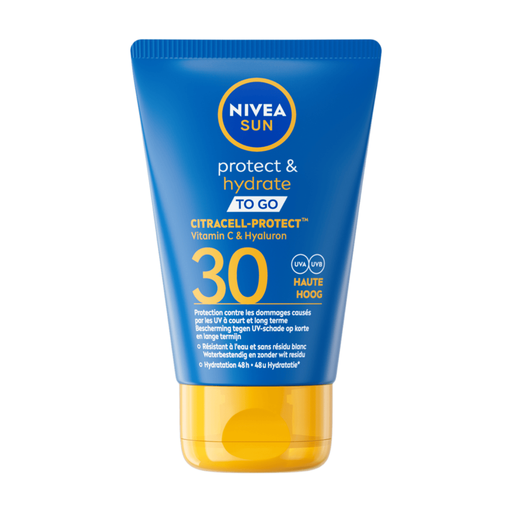
Why it suits this profile: The 50 ml size is handy for everyday use on the go, in a handbag or for a short spell outdoors. The formula is designed for all skin types.
The product states that it offers UVA and UVB protection and is water-resistant. The usage information still recommends reapplying after swimming or towel-drying.
50 ml, a lightweight sun milk texture and a water-resistant formula. According to an instrumental test involving 43 volunteers, the formula supports hydration for up to 48 hours. This is a brand claim, not a guarantee for every user.
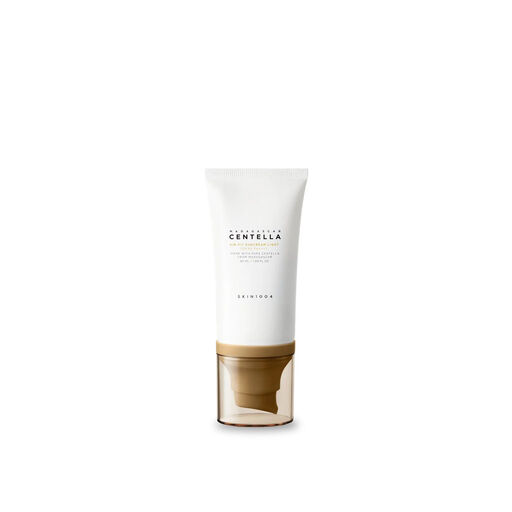
Why it suits this profile: This face formula is designed to feel lightweight and non-sticky, and is stated to be suitable for sensitive and normal skin.
The product specifications list SPF30, PA++++ and zinc oxide. The formula is designed for the face, neck, arms and legs; reapplication is still necessary.
50 ml, a mineral UV filter with zinc oxide and a lightweight formula, according to the product description. The brand describes the finish as non-sticky and says it leaves no white cast.
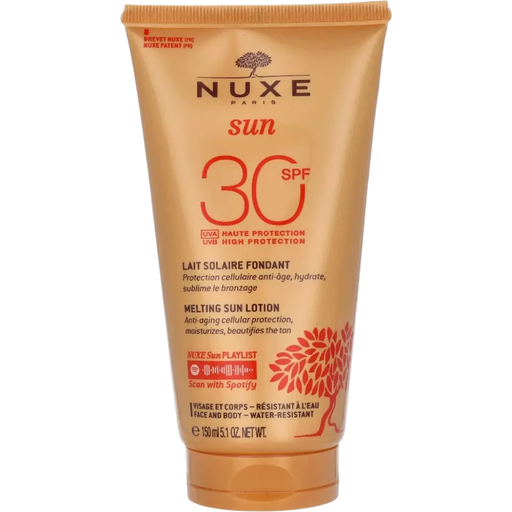
Why it suits this profile: The 150 ml tube is practical for face and body on a beach day, holiday or longer spell outdoors.
The product information states that it offers UVA and UVB protection and is water-resistant. Apply the lotion generously and regularly, especially after swimming or towel-drying.
150 ml, designed for face and body, with a non-greasy lotion texture according to the product description. The product is also described as vegan and contains fragrance allergens; check the ingredients if you have sensitive skin.
We’ve put together a complete, up-to-date list of products that meet these strict selection criteria and current European safety requirements.
For many adults, SPF 30 can be suitable for everyday use, as long as you apply enough and reapply regularly. Take your skin type, the UV index and how long you’ll be exposed into account. Several product labels recommend a higher SPF for young children or when you’ll be spending a long time in strong sunshine.
Apply generously and evenly. Some packaging recommends around 35 ml per application for an adult’s body. You’ll need less for just your face and neck, but applying too thin a layer reduces protection. If the label advises it, apply 15 to 20 minutes before going out in the sun.
Reapply as directed on the packaging, often around every two hours. Apply it sooner after swimming, towel-drying or sweating heavily, even if the product is water-resistant. Also check the expiry date and the period after opening on the packaging.
