
Vandaag of morgen in huis

Kwaliteit gegarandeerd

Welkomstaanbiedingen ontgrendelen: GRATIS bezorging | Tot 80% korting | Gratis 30 dagen JoyPlus-proefperiode
Download de app
SPF 30 sun cream is a practical choice for many adults looking for daily protection against UV radiation. However, the difference between a sun cream, spray, gel and day cream is greater than the number on the packaging might suggest. The wrong texture, for example, may lead to applying too little, while a product designed for the face may be impractical or expensive to use on the body.
As a Joybuy Product Recommendation Officer, I focus mainly on verifiable information: SPF factor, UVA indication, area of use, volume, water resistance and ingredients. This helps prevent marketing claims from making the decision for you.
SPF 30 does not completely block UV radiation. Protection only works as stated when you use enough product and reapply regularly. Product descriptions may mention protection against premature skin ageing or skin damage. Treat such wording as a brand claim, not a guarantee. According to NIVEA’s own research, for example, a particular formula may keep skin hydrated for an extended period. This is not a universal result for every user.
Look for a clear SPF 30 indication and a separate indication of UVA protection, such as a UVA logo or a PA classification on some Asian products.
Water-resistant sun cream is useful when swimming, exercising or sweating. However, water resistance does not mean you can skip reapplying after swimming. Drying yourself with a towel, heavy sweating and spending a long time in the sun all reduce the layer applied to your skin. Reapplication is still necessary.
SPF 30 sun cream spray spreads quickly, but wind, spraying from too far away or using too little product can leave uncovered areas. Spray generously into your hand when protecting your face, then spread the product carefully. For larger areas of the body, a lotion or sun milk is often easier to apply evenly.
SPF 30 mainly refers to protection against UVB radiation, which can cause redness and sunburn, among other effects. Also check whether the product mentions UVA protection. UVA rays penetrate deeper into the skin and contribute to pigmentation and skin ageing.
Apply SPF 30 sun cream generously before going outside. Vision’s instructions recommend approximately 35 ml per application for an adult’s body. This is considerably more than a thin layer. Reapply approximately every two hours and always after swimming, exercising, sweating or drying yourself, in line with the instructions on the packaging.
Choose a product you will actually want to use every day:
Compare the volume with how you plan to use the product. A 200 ml bottle is suitable for regular use on the body, while 35 to 50 ml is more likely to be intended for the face or for taking with you. Check the expiry information and batch number on the packaging. Store sun cream in a cool, dry place away from direct sunlight. A product left in a hot car for a long time may become less pleasant to use.
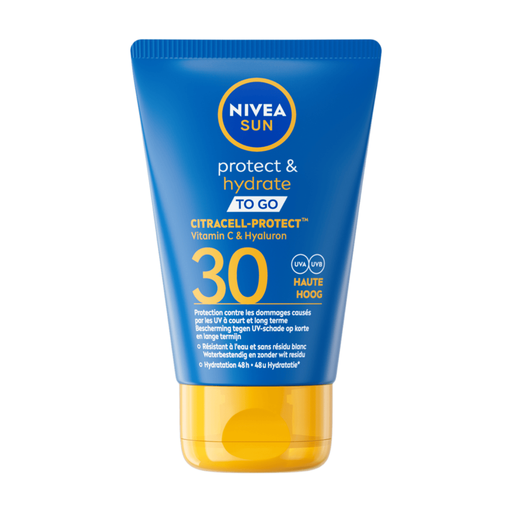
Why it suits this profile: The compact 50 ml pack fits in a bag and is suitable for use on the face and body while you are out and about. The product description mentions a lightweight, water-resistant formula containing glycerine and sodium hyaluronate.
The travel-sized pack makes regular reapplication easier. However, the amount is limited for daily use over the entire body.
50 ml, SPF 30, water-resistant according to the product information and easy to take with you.
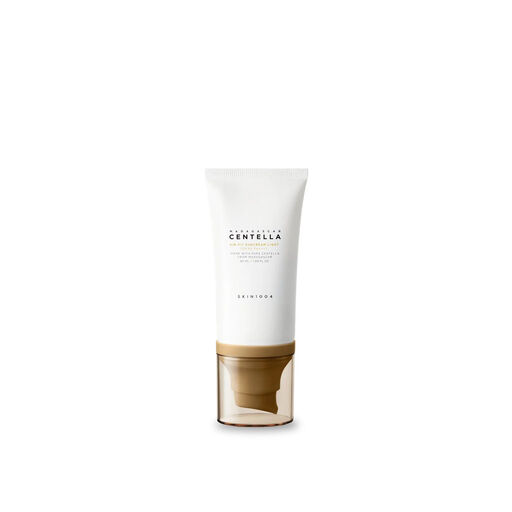
Why it suits this profile: This face cream uses zinc oxide and states SPF30 and PA++++. According to the product information, the lightweight formula is intended for normal and sensitive skin.
The product information specifies the mineral filter and use on the face, neck, arms and legs. However, check the current ingredients list before buying.
Zinc oxide, PA++++, 50 ml and a non-sticky finish according to the product description.
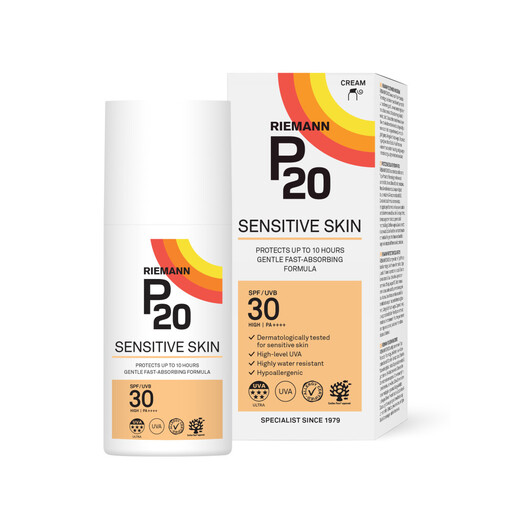
Why it suits this profile: The 200 ml lotion is practical for frequent use on the body. The ingredients list includes glycerine and several UV filters.
The generous volume helps prevent you from applying too little. Reapplying after swimming, sweating or drying yourself remains necessary according to the instructions.
200 ml, designed for sensitive skin according to the product name, and a fragrance-free formula in the listed ingredients.
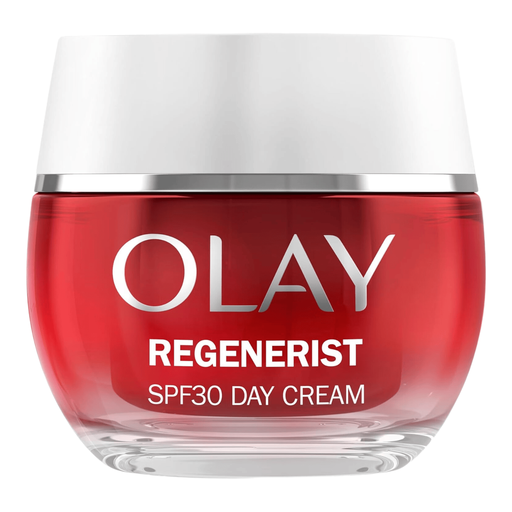
Why it suits this profile: This anti-ageing SPF 30 day cream is intended for the face and, according to the ingredients list, contains glycerine, niacinamide, panthenol and a peptide.
The formula is designed for daily use on the face. The listed fragrance allergens make checking the ingredients particularly important for sensitive skin.
50 ml, SPF 30, niacinamide and panthenol according to the product information.
An SPF 30 sun cream is generally suitable for a regular routine, while a spray is useful for large areas of the body and quick top-ups. A gel such as the Isntree Hyaluronic Acid Daily Sun Gel is designed for the face and, according to the product description, contains several forms of hyaluronic acid. This may appeal to those with dry skin, but always check that the texture suits your skin type.
For a tinted finish, there are mineral options such as Complexion Rescue Tinted SPF30. According to the product information, these products combine a light tint with sun protection. The shade may vary between versions, so check the colour name and volume before placing your order.
We have compiled a complete, up-to-date list of products that fully meet these strict selection criteria and the applicable European safety regulations.
Yes, SPF 30 can be suitable for daily use when you apply enough product and reapply regularly. For the face, choose a formula that feels comfortable, and for the body, choose packaging that is large enough for generous application.
Check the expiry date and the period-after-opening symbol on the packaging. Store sun cream away from direct sunlight and heat. A change in smell, colour or texture is a reason to stop using the product.
A facial product is often lighter, more compact and designed to work with make-up or meet a specific skincare need. SPF 30 sun cream for the body usually comes in larger packaging and is intended to cover larger areas cost-effectively. Both should be applied generously according to the instructions.
