
Vandaag of morgen in huis

Kwaliteit gegarandeerd

Welkomstaanbiedingen ontgrendelen: GRATIS bezorging | Tot 80% korting | Gratis 30 dagen JoyPlus-proefperiode
Download de app
An SPF 30 day cream combines daily skincare with protection against UVA and UVB rays. That sounds practical, but not every formula suits every skin type. A rich cream can feel comfortable on dry or mature skin, while a lighter texture may work better under make-up or for oilier skin.
The main pitfall is that marketing claims often get more attention than product details. So focus on the ingredients list, skin type, texture and directions for use.
SPF 30 indicates the level of protection against UVB rays under standardised conditions. The protection you actually get also depends on how much you apply, how evenly you spread it and whether you reapply it. A day cream is mainly suited to everyday use in town, at the office or for short periods outdoors. For extended sun exposure, exercise or swimming, a separate facial sunscreen is more practical.
Also check whether the packaging mentions both UVA and UVB protection. SPF alone doesn’t tell you everything you need to know about sun protection for your face.
Words such as ‘anti-ageing’, ‘anti-wrinkle’ and ‘firming’ usually describe the purpose of a formula, not a guaranteed result. According to some brands’ own research, visible changes may occur after a certain period, but results aren’t necessarily the same for everyone.
Instead, look for verifiable details, such as the presence of niacinamide, glycerine, hyaluronic acid, vitamin E or peptides. These ingredients may be a reason to consider a product, but they don’t guarantee that wrinkles or dark spots will disappear.
A moisturising day cream that feels too greasy may end up unused in your bathroom cupboard. On the other hand, a light day cream may not feel comfortable enough on dry skin. Also look out for fragrance and alcohol if your skin is sensitive to them. If you’re unsure, test a small amount on a limited area of skin first and stop using it if irritation occurs.
An SPF 30 face cream may contain chemical, mineral or combined UV filters. Product information may list zinc oxide or titanium dioxide as mineral filters. Other formulas use organic filters such as avobenzone or ethylhexyl triazone.
None of these terms on its own determines whether a product is right for you. More important questions are:
Apply the cream to clean skin and use enough product. A thin layer that’s barely visible won’t necessarily provide the level of protection stated on the packaging.
For dry skin, ingredients such as glycerine, hyaluronic acid, argan oil, shea butter or macadamia oil may be worth looking for. Normal or combination skin may be better suited to a light, quick-absorbing formula containing ingredients such as niacinamide or panthenol.
A moisturising face cream with SPF 30 can be a practical two-in-one step. Just remember to consider the finish:
Niacinamide is often used in formulas designed to hydrate and promote a more even-looking complexion. Vitamin C, vitamin E, Q10, peptides and hyaluronic acid are also common ingredients in anti-ageing day creams and products for mature skin.
Always check the full INCI list. A product may contain fragrance, for example, even if the main focus is on hydration. Also check the expiry information and the period-after-opening symbol on the packaging.
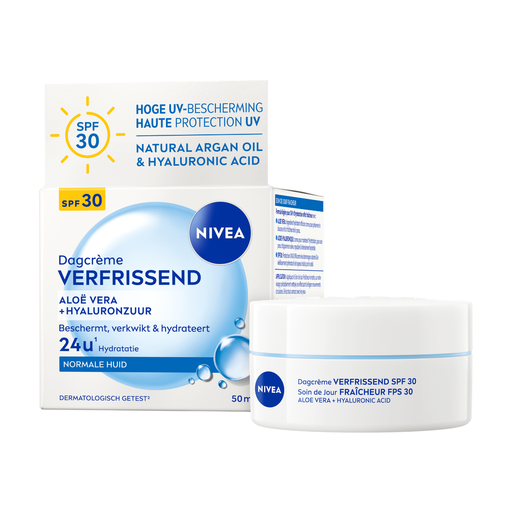
Why it suits this profile: This light day cream is designed for everyday use and contains aloe vera, glycerine and hyaluronic acid. The formula is aimed at normal skin and has a quick-absorbing feel.
The product information specifies SPF 30, a light texture and 24-hour hydration. That means you don’t have to rely solely on a general anti-ageing claim.
SPF 30, hyaluronic acid and a light formula. According to the product information, the cream has been dermatologically tested.
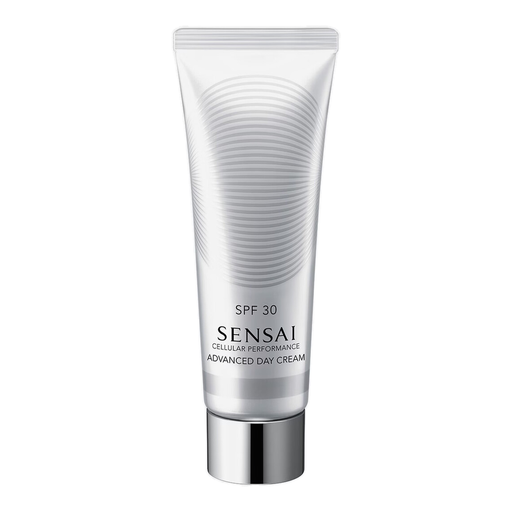
Why it suits this profile: According to the product details, this cream is suitable for all skin types. It has SPF 30 and a soft, quick-absorbing consistency. Fragrance is part of the formula.
The information covers skin type, SPF, consistency and fragrance. This helps you decide in advance whether the formula suits your preferences.
SPF 30, a cream consistency and quick absorption. The ingredients list includes glycerine, niacinamide and several UV filters.
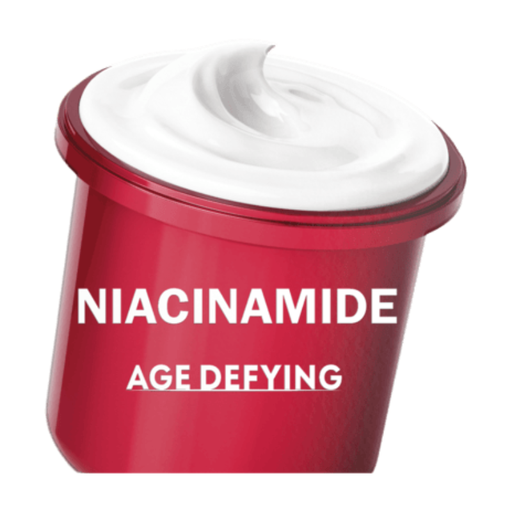
Why it suits this profile: This SPF 30 day cream combines niacinamide, vitamin E and hydration in a refill pack. According to Olay’s own research, skin feels smoother straight away, with visible results potentially appearing after 14 days.
The product page gives specific information about SPF 30, ingredients, use and the refill pack. Just check that you already have the matching jar.
99% pure niacinamide according to the product description, SPF 30 and a light, non-greasy formula with a refill system.
We’ve put together a complete, up-to-date list of products that meet these strict selection criteria and current European safety requirements.
SPF 30 can be a practical choice for everyday use, especially during normal outdoor activities. Apply the cream evenly and use additional sun protection during prolonged exposure. Reapply after sweating, swimming or drying yourself.
That depends on the texture. A light, quick-absorbing formula is generally more comfortable under make-up than a very rich cream. A tinted moisturiser can also provide light coverage. Let the cream absorb before applying foundation or powder.
Follow the expiry date and the period-after-opening symbol on the packaging. Store the cream in a cool, dry place away from direct sunlight and heat. A change in smell, colour or texture may be a reason to stop using the product. Stop use if irritation occurs and avoid contact with the eyes.
