
Vandaag of morgen in huis

Kwaliteit gegarandeerd

Welkomstaanbiedingen ontgrendelen: GRATIS bezorging | Tot 80% korting | Gratis 30 dagen JoyPlus-proefperiode
Download de app
An SPF 30 day cream combines everyday skincare with protection from UV radiation. That sounds simple, but the differences between products can be significant. Some creams are rich and nourishing, while others feel lightweight or contain a tint. Claims about wrinkles, pigmentation and skin firmness are also not always supported in the same way.
This buying guide helps you compare objective product features, such as skin type, texture, ingredients, packaging and usage advice. That way, you can avoid buying an SPF 30 face cream that feels too greasy, is too heavily fragranced or does not suit your daily routine.
SPF 30 mainly indicates protection against UVB radiation. You should therefore also check whether the packaging states protection against UVA and UVB. No sun protection product offers complete protection against solar radiation. Avoid prolonged, direct exposure to the sun and follow the usage advice on the packaging.
A day cream is also no excuse to use less product. If you apply only a thin layer, you may not receive the level of protection stated on the packaging. Reapplication is necessary if you spend a lot of time outdoors, sweat or dry yourself off.
Terms such as ‘reduces wrinkles in two weeks’ or ‘lightens pigmentation’ are not a guarantee for every user. Always consider the source of such claims. According to NIVEA product information, certain products cite results from their own research or user studies. Results may vary from person to person.
You should also pay attention to the ingredients list. An anti-ageing day cream, for example, may contain hyaluronic acid, Q10, niacinamide, vitamin C or peptides. However, the presence of an ingredient alone does not prove what results you will see.
A day cream for mature skin is not automatically suitable for dry skin. Conversely, a lightweight cream for oily skin may not provide enough comfort if your skin feels tight. Consider the combination of:
Choose a product that clearly states SPF 30 and check whether UVA and UVB protection are mentioned. Apply the cream generously to your face and neck, preferably as the final step in your morning routine. For prolonged exposure to the sun, a separate facial sun protection product may be more practical.
Common ingredients in a hydrating day cream include glycerine, hyaluronic acid and panthenol. A hyaluronic acid day cream may feel pleasant if you are looking for a supple skin feel. Oils and shea butter can provide extra comfort for dry skin.
If you are mainly looking for a vitamin C day cream, look out for vitamin C derivatives such as 3-O-ethyl ascorbic acid or ascorbyl glucoside. Niacinamide is often found in products aimed at a more even-looking complexion and hydration. Always check the full ingredients list and any warnings.
A rich cream is often better suited to dry or mature skin, while a lightweight, fast-absorbing formula may feel more comfortable on normal, oily or combination skin. Do you have sensitive skin? Check whether fragrance and fragrance allergens are present, and test a new product on a small area of skin first.
A pump bottle limits contact with the contents. A jar, on the other hand, can be convenient but requires clean hands. Also check the expiry date and the period after opening stated on the packaging.
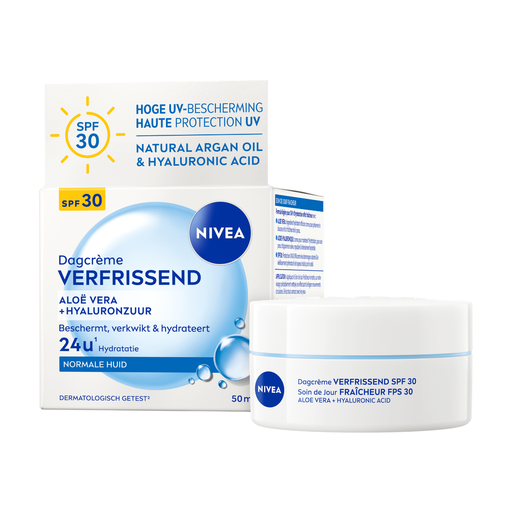
Why it suits this profile: An accessible everyday cream for anyone mainly looking for hydration and SPF 30, without an extensive anti-ageing routine.
The product information states SPF 30, a lightweight formula and daily use. Check the current ingredients and directions on the packaging yourself.
50 ml, SPF 30, glycerine, aloe vera and sodium hyaluronate according to the listed ingredients.
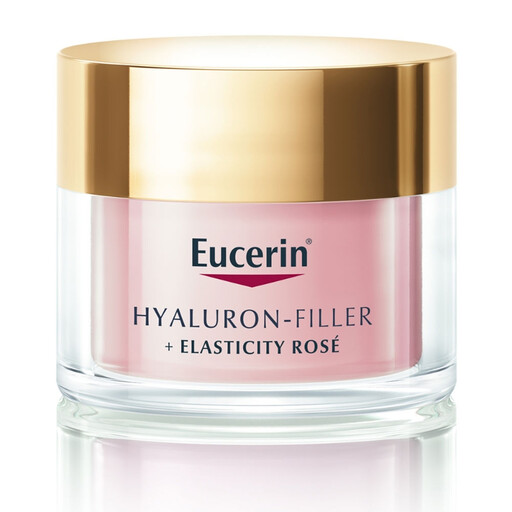
Why it suits this profile: Suitable for anyone looking for a nourishing anti-ageing day cream with a subtle pink tint and a focus on dull-looking skin.
The description clearly mentions the pink colour and SPF 30. Do not expect a colourless cream; choose this product only if a tinted finish suits you.
50 ml, suitable according to the product details for all skin types and sensitive skin, with pump packaging.
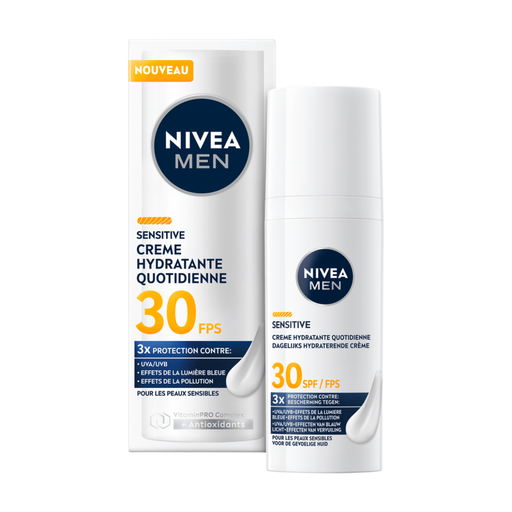
Why it suits this profile: An option for anyone looking for a fast-absorbing face cream with SPF 30 and sensitive skin.
The description states that it has a lightweight, non-greasy formula and dermatologically tested skin tolerance. However, the formula does contain fragrance; check this if you have sensitive skin.
50 ml, SPF 30, glycerine, panthenol, chamomile extract and liquorice root extract according to the ingredients list.
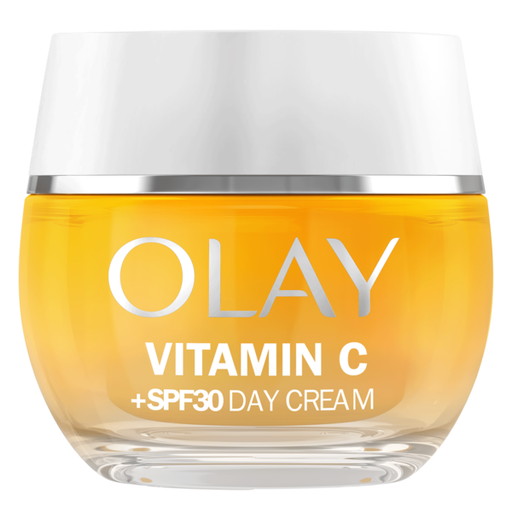
Why it suits this profile: Suitable for anyone who wants to use a lightweight vitamin C day cream with niacinamide and a non-greasy finish.
The product information mentions the lightweight texture and daily application. It does contain fragrance, including limonene, linalool and citronellol; bear this in mind if you have sensitive skin.
50 ml, SPF 30, niacinamide, glycerine, panthenol and 3-O-ethyl ascorbic acid according to the listed ingredients.
We have put together a complete, up-to-date list of products that fully meet these strict selection criteria and the applicable European safety regulations.
For normal daily exposure, SPF 30 can be a practical choice, provided you apply enough product. In strong sunlight, when spending a long time outdoors, swimming or perspiring, a separate facial sun cream is often more suitable. Reapply according to the instructions on the packaging.
Yes. Cleanse your skin first, use a serum if required, then apply the day cream. Products containing vitamin C, niacinamide or hyaluronic acid can form part of the same routine. Introduce new products one at a time if your skin is prone to irritation.
Check the expiry date and the period-after-opening symbol on the packaging. Store the cream in a cool, dry place away from direct sunlight and heat. If the fragrance, colour or texture changes, stop using the product.
